

Artificial sweetener may interfere with immunotherapy
Share


New research from Damon Runyon-Dale F. Frey Breakthrough Scientist Abigail E. Overacre-Delgoffe, PhD, and her lab at the University of Pittsburgh suggests that sucralose—the sugar substitute found in many “sugar-free” sodas, yogurts, and snack foods—may interfere with cancer immunotherapy. Their findings indicate that the widely used artificial sweetener changes the composition of the gut microbiome in ways that weaken patients’ immune systems and blunt the effectiveness of immune checkpoint inhibitors, a class of drugs that unleash T cells to attack tumors.
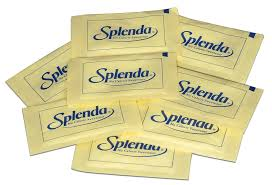 The imbalance of gut bacteria caused by sucralose consumption leads to lower levels of a key amino acid, arginine, that fuels immune cell activity. As a result, T cells are less able to mount an attack against cancer. In both preclinical models and in cancer patients receiving anti-PD-1 therapy, this shift translated into weaker responses to treatment.
The good news is that the effect may be reversible. When the researchers restored arginine through dietary supplementation, or transplanted gut microbes from treatment-responsive mice, T cell function was completely restored and immunotherapy effectiveness returned.
The findings both underscore the critical role of the gut microbiome in immune function and prompt further research into how dietary factors influence its composition, potentially affecting cancer therapy outcomes.
This research was published in Cancer Discovery.
Share

