

Cellular pathway suggests mechanism of chemotherapy resistance
Share


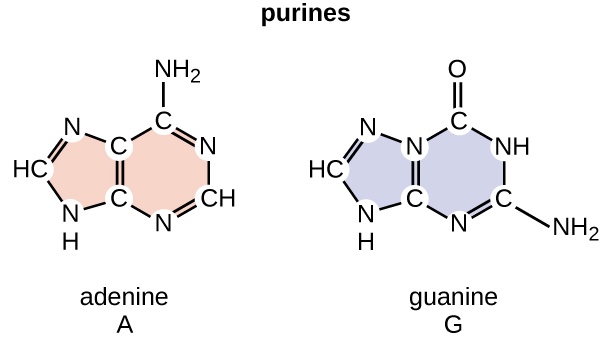
Purines, namely adenine and guanine, are one of two chemical compounds that cells use to make the building blocks of DNA and RNA. (The other are pyrimidines, cytosine and thymine.) Cells can make purines in two ways: by building them from scratch, known as “de novo purine biosynthesis,” or by recycling them from existing molecules, known as “purine salvage.” When the salvage pathway is active, it signals to the cell to slow down the biosynthesis pathway so that the cell does not make too many purines. Until recently, scientists did not fully understand how this slowdown happens.
But new research from Damon Runyon Clinical Investigator Ralph J. DeBerardinis, MD, PhD, and his team, including Damon Runyon SPARK Fellow Imani M. Williams, shows that a protein called NUDT5 plays a key role in controlling this balance. During purine salvage, NUDT5 binds to another an enzyme called PPAT, which drives purine biosynthesis. When NUDT5 attaches to PPAT, it causes PPAT to clump together and become less active. It also helps break apart a larger enzyme complex (the “purinosome”) that normally boosts purine production. Together, these effects shut down excess purine synthesis.
When the researchers disrupted the connection between NUDT5 and PPAT, the cell could no longer properly slow purine production during recycling. This led to overproduction of purines and made cells resistant to certain chemotherapy drugs called thiopurines.
By illuminating the role of NUDT5 as a regulatory switch that keeps purine biosynthesis and purine salvage in balance, the team has also revealed a mechanism of drug resistance in cancer cells—and a potential means of overcoming it.
This research was published in Science.
Share

