
Pancreatic cancer research leads to treatment for neurological disease
Share


In 2021, Damon Runyon scientists Michael E. Pacold, MD, PhD, Robert S. Banh, PhD, and their colleagues at New York University Langone Health discovered how the enzyme CoQ10 is made, a synthesis pathway that scientists had been seeking for over two decades. CoQ10 is crucial for energy production in cells (which is why it is popular as a dietary supplement, though evidence of the health benefits is scant). How CoQ10 is made, in short: an enzyme called HPDL makes a metabolite called 4-HMA that is converted into 4-HB and finally into CoQ10. The discovery of this pathway provided a crucial link between two separate findings: one, that pancreatic cancer cells overproduce HPDL, and two, that CoQ10 fuels tumor growth. Targeting this pathway, in other words, could be a means of curbing pancreatic cancer.
At the time, Dr. Pacold and Dr. Banh knew their findings may have broader implications, shedding light on neurological diseases caused by HPDL deficiencies in addition to cancers related to HPDL overproduction. Years later, the impact of their discovery is even greater than they imagined. As the result of a medical intervention that arose from their research, a pediatric patient who could not walk more than twenty meters was able to circle Central Park on foot.
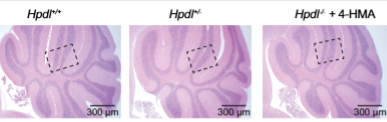
This patient had a rare, sometimes lethal, neurodevelopmental disease called mitochondrial encephalopathy, caused by a mutation in the HPDL gene. The lab modeled this disease in mice by knocking out HPDL, and found that administering 4-HMA or 4-HB controlled symptoms and allowed the mice live much longer. (Consider a chef who wants to make bread but is missing flour: providing him with dough would solve the issue.) The team then administered 4-HB in a first-in-human trial. The patient, described above, improved remarkably.
Larger trials are needed, of course, to confirm clinical benefit. But the team is hopeful that “early treatment with 4-HMA or 4-HB, enabled by newborn screening tests to detect errors in CoQ10 synthesis, will maximize the therapeutic benefits of treatment.”
All of this started with a simple question posed by Dr. Pacold in his Damon Runyon award application: how pancreatic cancer cells use oxygen. That investigation led to the groundbreaking discovery of the CoQ10 pathway, and, ultimately, to a life-changing treatment option.
“The benefits of high-risk, high-reward, fundamental Damon Runyon-funded research are substantial, often in the most unexpected ways,” says Dr. Pacold.
This research was published in Nature.
Share

