

Carissa Chan, PhD
Carissa Chan, PhD
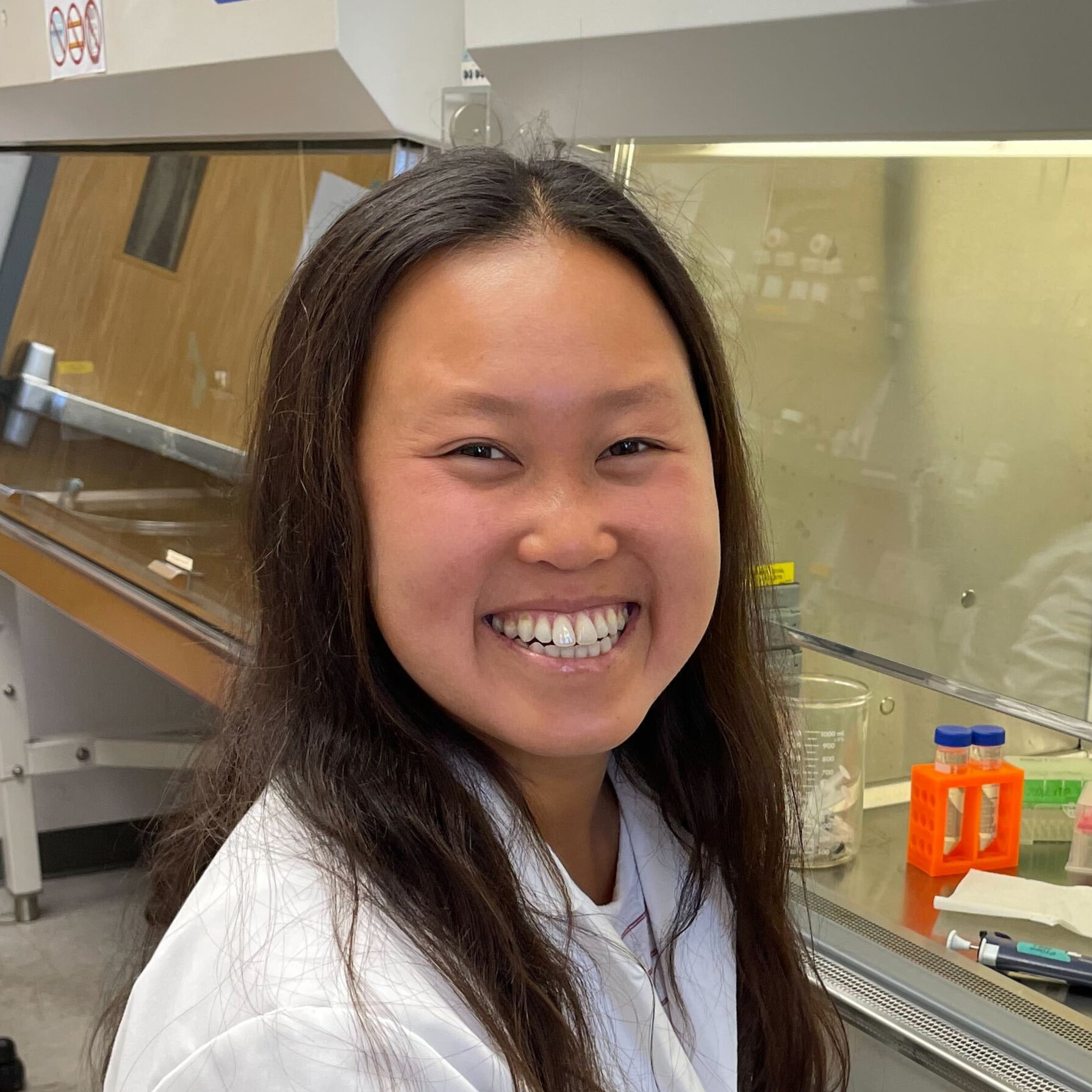
Microbial pathogens that enter and spread within host tissues cause disease. However, the intricate adaptations that enable pathogens to invade host cells also positions these organisms as an ideal tool for drug delivery and vaccination. While infection with virulent strains of the intracellular pathogen Listeria monocytogenes causes gastrointestinal symptoms and fever — and, in more severe cases, sepsis or meningitis — in recent years, attenuated strains of L. monocytogenes have been explored for use as an anti-cancer vaccine via generation of anti-tumor CD8 T cells and production of a tumor microenvironment that allows these anti-cancer immune cells to function. Abolishment of virulence is critical in strains used for vaccination, especially because cancer patients are often immunocompromised and highly susceptible to infection. Dr. Chan’s [Sijbrandij Foundation Fellow] research investigates the molecular mechanisms by which unusual translation factors help bacteria produce secreted toxins, spread amongst host cells, and defend themselves against killing by the host immune system. By discovering new genetic targets that can be inactivated to suppress virulence, Dr. Chan’s work identifies pathways that can directly be leveraged for development of microbial-based anticancer vaccines. Dr. Chan received her PhD from Yale University, New Haven, and her BS from the University of California, Los Angeles.
CONNECT
1.877.7CANCER
info@damonrunyon.org
One Exchange Plaza
55 Broadway, Suite 302
New York, NY 10006


