

Jaejin Kim, PhD
Jaejin Kim, PhD
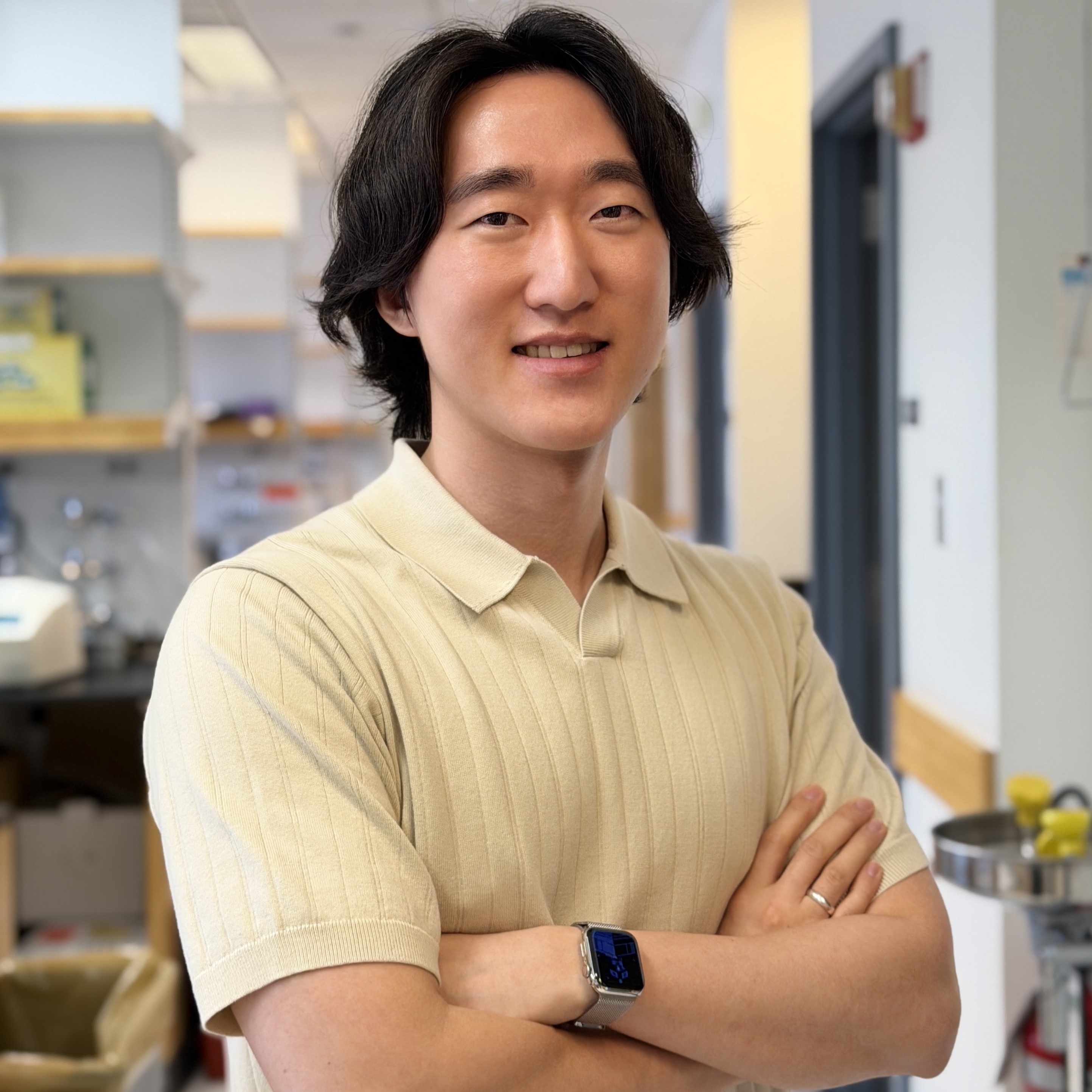
Inflammatory diseases such as eczema, psoriasis, and inflammatory bowel disease often recur years later in the same places, suggesting that tissues can “remember” past insults. Such memories can be beneficial, accelerating wound healing and pathogen defense, but they can also be maladaptive, predisposing tissues to chronic inflammation and cancer. It remains unclear how this memory is preserved in stem cells that otherwise appear normal, and which features promote regeneration versus cancer. Dr. Kim aims to identify the genes and molecular mechanisms underlying tissue memory and to define their consequences for wound repair and tumorigenesis. Identifying the “bad memories” that drive tumorigenesis could open opportunities to selectively erase them—reducing cancer risk without compromising normal regeneration—and may one day help prevent inflammation-linked cancers before they arise. Dr. Kim received his PhD and BSc from Seoul National University, Seoul.
CONNECT
1.877.7CANCER
info@damonrunyon.org
One Exchange Plaza
55 Broadway, Suite 302
New York, NY 10006


