

Parker J. Nichols, PhD
Parker J. Nichols, PhD
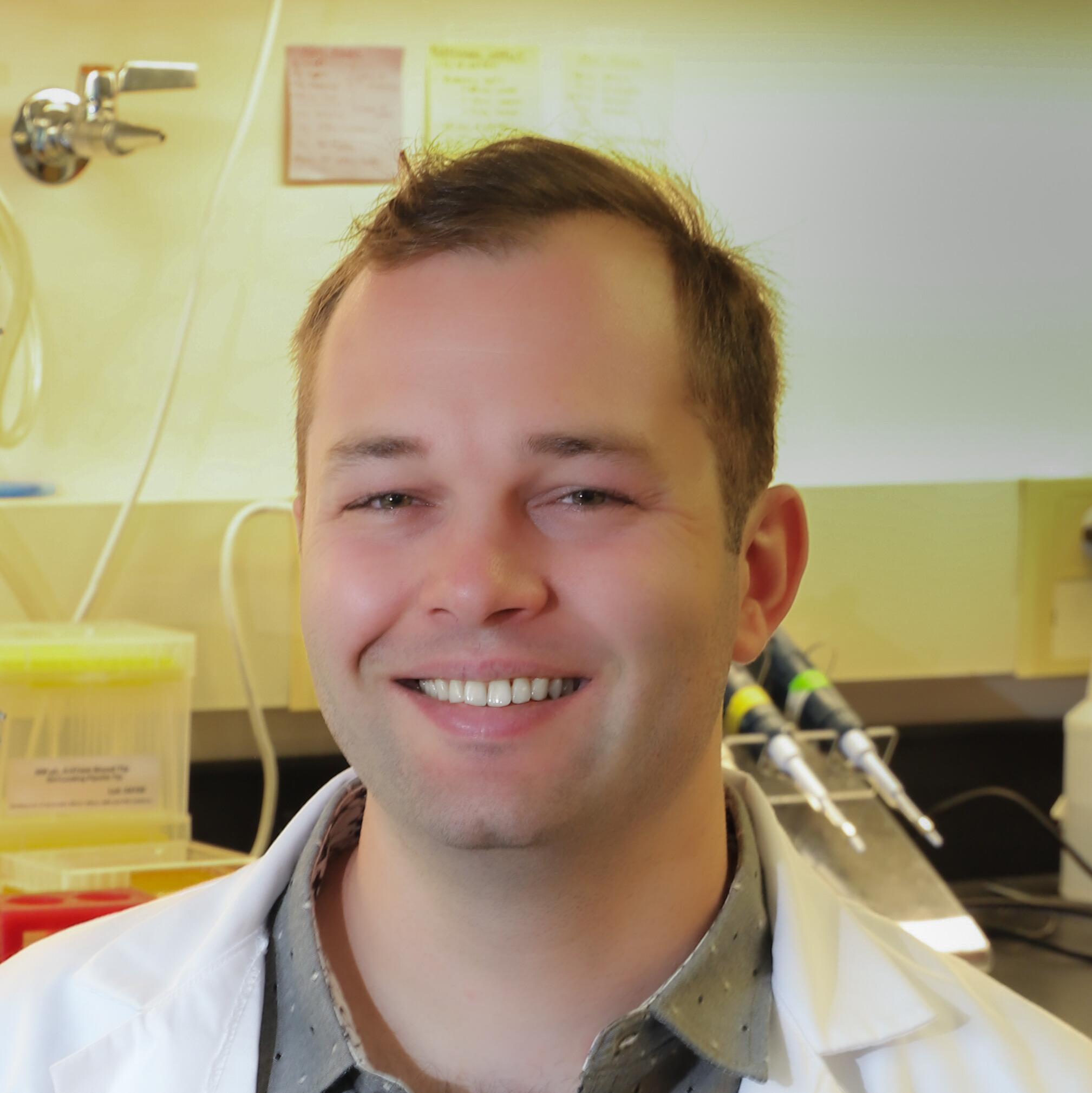
Cells have a built-in defense system that detects double-stranded RNA (dsRNA), a molecule often associated with viruses. Although this system evolved to fight microbial infections, activating it can also help the body recognize and attack cancer, especially when combined with treatments that make tumors easier for immune cells to detect. However, tumors can escape this immune pathway by producing high levels of a protein called ADAR, which edits dsRNA by changing one of its building blocks, adenosine, into inosine. These edits prevent the dsRNA from being recognized, allowing cancer cells to stay hidden even during treatment. Dr. Nichols’ [Merck Fellow] research aims to understand how these RNA changes block immune detection and to identify which RNA molecules are most likely to trigger an immune response. By uncovering how cancer cells use this editing process to escape detection, he hopes to support the development of better immunotherapy treatments. Dr. Nichols received his PhD from the University of Colorado, Anschutz Medical Campus, Aurora, and his BA from Lewis and Clark College, Portland.
CONNECT
1.877.7CANCER
info@damonrunyon.org
One Exchange Plaza
55 Broadway, Suite 302
New York, NY 10006


