

Sahana Kuthyar, PhD
Sahana Kuthyar, PhD
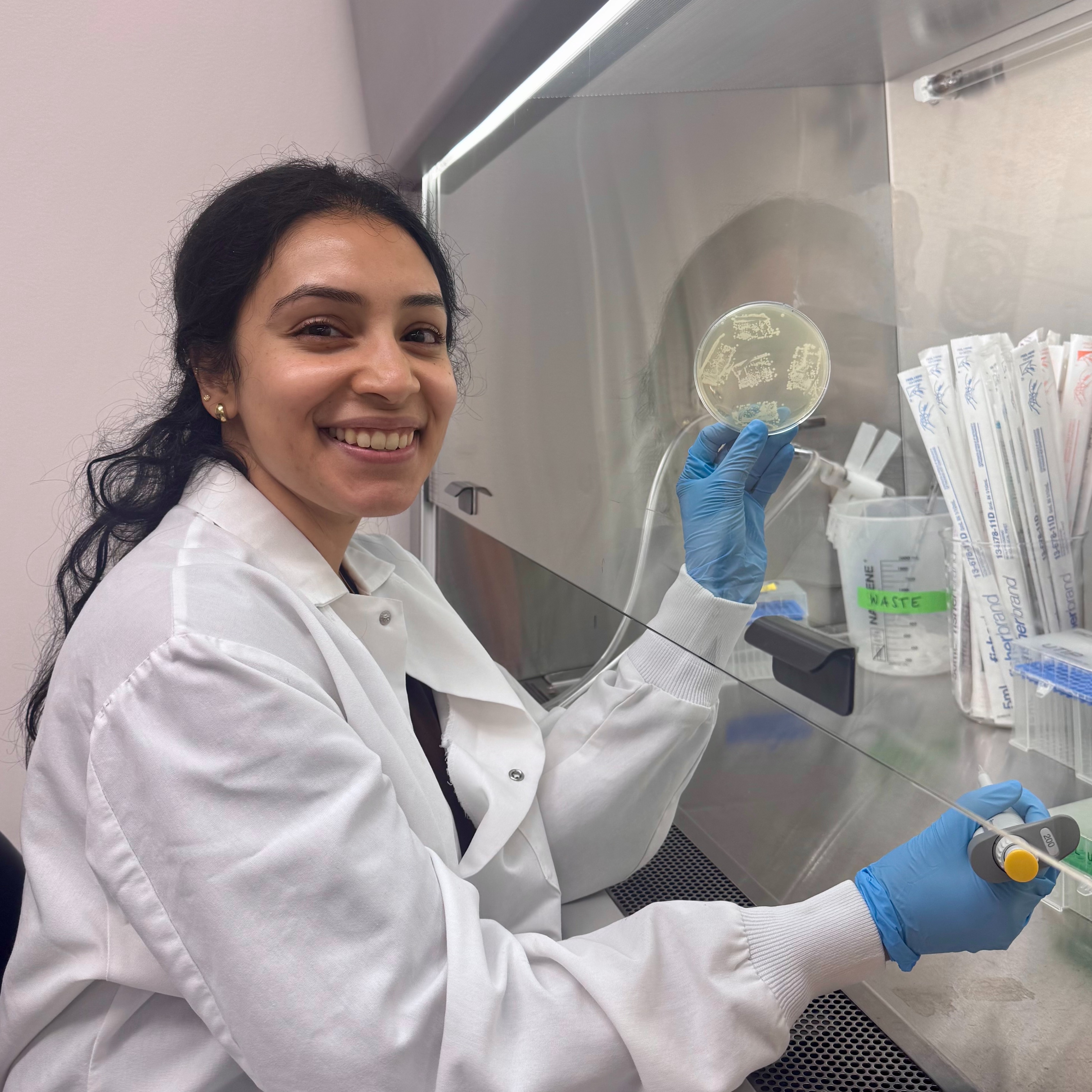
Dr. Kuthyar studies why cancer patients, especially those receiving treatments like chemotherapy or radiation, are at high risk of developing serious lung infections such as pneumonia. While these treatments are essential for killing cancer cells, they also weaken a key part of the immune system that normally helps the body detect and eliminate bacteria. This weakened defense makes patients more vulnerable to infection. At the same time, many hospitalized patients receive supplemental oxygen, which can change the lung environment in ways that help certain bacteria grow stronger and become more aggressive. In cancer patients, these two factors are closely connected: the weakened immune system cannot effectively control bacteria, while the high-oxygen environment actively promotes bacterial survival and virulence. Together, this creates a perfect storm that increases both the risk of contracting pneumonia and severity of disease. This work is relevant to cancers commonly treated with immune-suppressing therapies, including leukemia, lymphoma, and solid tumors such as lung, breast, and colorectal cancer, and aims to identify better ways to predict, prevent, and treat these life-threatening infections.
This project proposes a framework to dissect pneumonia risk in immunocompromised patients using human and mouse models. Dr. Kuthyar will use hierarchical networks to link gene expression and metabolites. Multi-omics factor analysis will capture microbial and immune variation and models trained on human data will be tested in mice, enabling iterative prediction and validation. This approach integrates species harmonization, metabolite prioritization, and network mapping to reveal hyperoxia-driven microbial adaptation and myeloid immune deficits driving pneumonia risk.
CONNECT
1.877.7CANCER
info@damonrunyon.org
One Exchange Plaza
55 Broadway, Suite 302
New York, NY 10006


