Damon Runyon News
View New Articles By

View New Articles By
In cancer treatment, “targeted therapies” refer to drugs that identify and attack specific proteins in cancer cells that help them survive and grow, while leaving normal cells alone. Due to their specificity, targeted therapies tend to be less toxic than chemotherapy or radiation therapies. Often, they take the form of small molecule inhibitors, which bind to the cancer-promoting proteins and disable them. Unfortunately, however, small molecule inhibitors only work for a subset of cancers.
Although many childhood cancers are now curable with chemotherapy, these lifesaving treatments often carry serious long-term side effects. Studies have shown, for example, that childhood cancer survivors are fifteen times more likely than the general population to suffer from congestive heart failure. For patients and pediatric oncologists, the toxicity of chemotherapy drugs is tolerated only because there are no better options—in the United States, that is.
Adoptive T cell therapies, in which a patient’s own immune cells are genetically engineered to target their cancer cells, have been remarkably effective in treating certain blood cancers. Unfortunately, this success has not translated to solid tumors, where T cells face unique challenges in the tumor environment that limit their persistence and function.
Few scientific studies meet with more controversy than those that suggest a substance may cause or prevent cancer. As a leading epidemiologist of colorectal cancer, former Damon Runyon Clinical Investigator Andrew T. Chan, MD, MPH, is no stranger to this rollercoaster.
Lung cancer is the leading cause of cancer death in the United States, and nearly a third of these cancers are driven by mutations in the KRAS gene. Long considered an “undruggable” cancer target, mutant KRAS proteins are known to rewire alveolar type II progenitor (AT2) cells, which line the lung surface and are responsible for repairing lung tissue after injury. KRAS inhibitors are now making their way to the clinic, but as yet only a subset of patients respond, highlighting the need to better understand the role of mutant KRAS in the development of lung cancer.
Some cancer cells, such as those in lung tumors, change drastically in appearance and behavior when they develop resistance to targeted therapies. The result of these changes, collectively known as histological transformation (HT), is a more aggressive tumor type. HT necessitates a new therapeutic strategy, since the original oncogene is no longer driving the tumor’s spread. But first, researchers have to find out which genes have assumed control.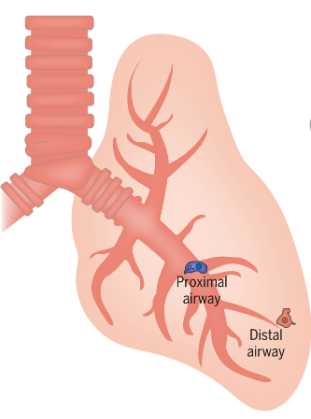
Blood stem cells, like all living things, lose their regenerative capacity with age. Because blood stem cells generate not only blood but all the cells in our immune system, age-related dysfunction can lead to a plethora of systemic issues in older adults, including blood cancer. There is, of course, no stopping time. But according to a new study from researchers at the Columbia Stem Cell Initiative, including Damon Runyon Fellow James Swann, VetMB, DPhil, there may be a way to slow down the clock.
Prostate cancer is a disease with many subtypes, some of which are more difficult to treat than others. While most prostate cancer cells rely on androgen hormones to grow—allowing androgen blockers to emerge as an effective therapy—15 to 20 percent of prostate cancers evolve to be “androgen-independent.” One such subtype is known as castration-resistant neuroendocrine prostate cancer (CRPC-NE), for which chemotherapy is the primary treatment strategy.
One in eight women in the U.S. will develop breast cancer during their lifetime, and for many, the best treatment option is surgical removal of the tumor, known as a lumpectomy. Unfortunately, the surgical tools currently in use do not always accurately identify the extent of the tumor, necessitating a second surgery for up to a third of patients.
A tissue biopsy, in which a section of skin is surgically removed for microscopic evaluation, has long been the most effective means of diagnosing skin cancer. But biopsies are invasive and time-consuming procedures, with patients often waiting days for results, developing scars, or forgoing biopsy altogether and opting to “wait and see.” Given that one in five Americans will develop skin cancer in their lifetime, this is a dilemma many of us have experienced firsthand.
CONNECT
1.877.7CANCER
info@damonrunyon.org
One Exchange Plaza
55 Broadway, Suite 302
New York, NY 10006


