

Ziyang Zhang, PhD
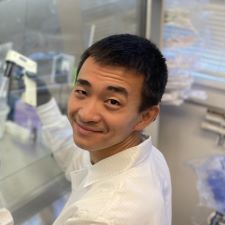
Dr. Zhang is developing a new form of cancer immunotherapy with improved safety and controllability. Redirecting the immune system to launch attacks on tumor cells has emerged as an extremely promising approach to fight cancer. One such strategy, named bispecific T cell engager antibody (BiTE) has shown remarkable efficacy against blood cancers, but it is also associated with severe toxicity. Using tools of synthetic organic chemistry, he aims to build a “chemical switch” that can be used to rapidly tune the activity of BiTE, thus allowing the circumvention of toxic side effects without diminishing therapeutic potential. The ultimate goal of this project is to develop a cancer immunotherapy that can be safely employed at doses effective for the treatment of solid tumors.
Evan W. Weber, PhD
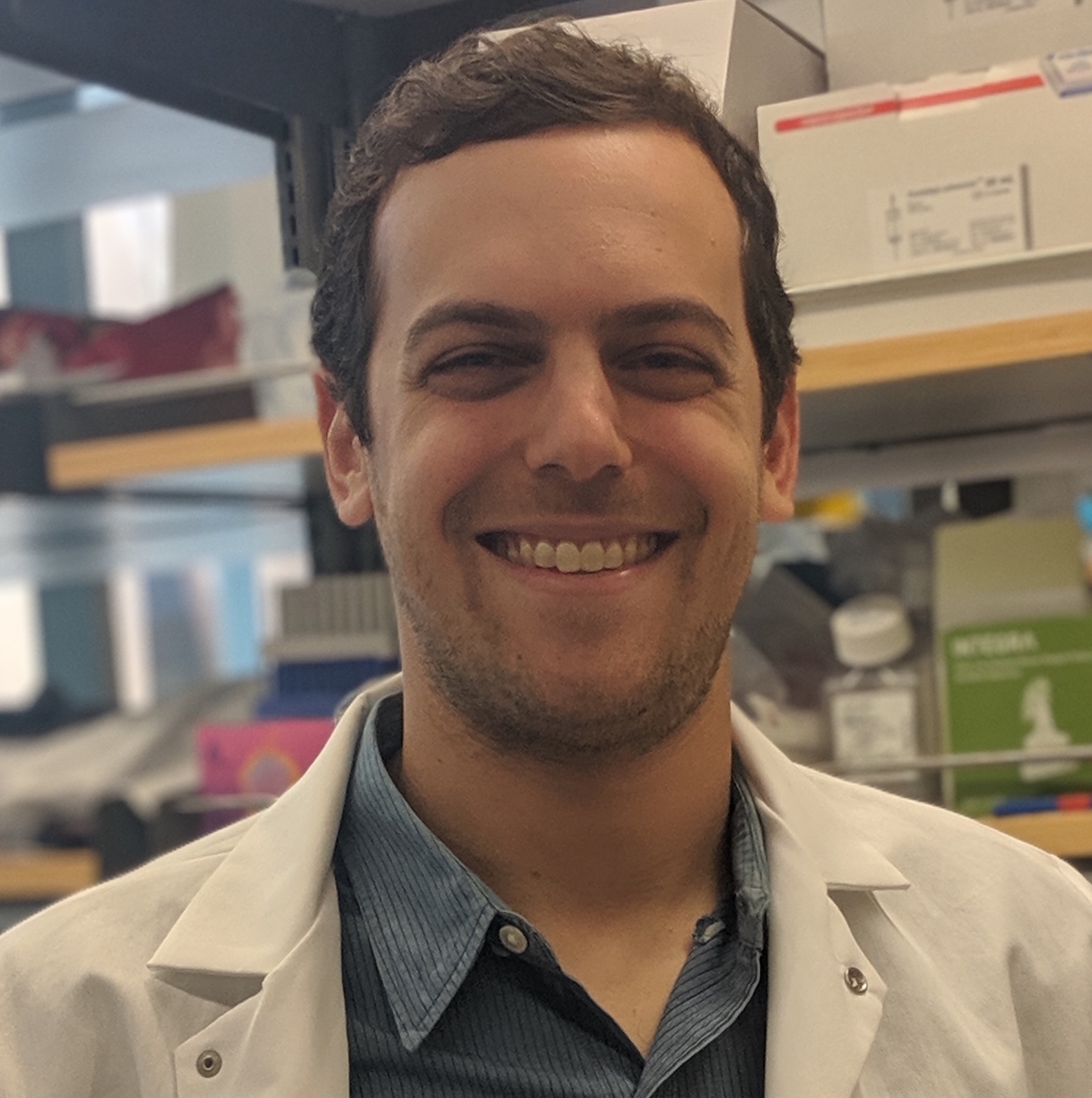
CAR T cell therapy, in which a patient’s own immune cells are reprogrammed to recognize and kill cancer, has revolutionized the treatment of blood cancers. Unfortunately, however, a significant portion of treated patients relapse, and CAR T cell therapy for aggressive solid tumors has been largely ineffective. A major roadblock preventing this therapy from curing more patients is the gradual loss of CAR T cells’ ability to kill tumor cells, which results in tumor progression or relapse. Dr. Weber aims to develop optimized killer CAR T cells that stay in the fight against cancer. His lab has developed a novel, high-throughput method of analysis that can be used to identify T cell characteristics, genes, and other biological features that enable CAR T cells to serially kill cancer cells. These insights will provide a roadmap for reprogramming T cells with enhanced tumor killing function, paving the way for more efficacious CAR T cell therapies and potentially other cancer immunotherapies for patients in need.
Timour Baslan, PhD
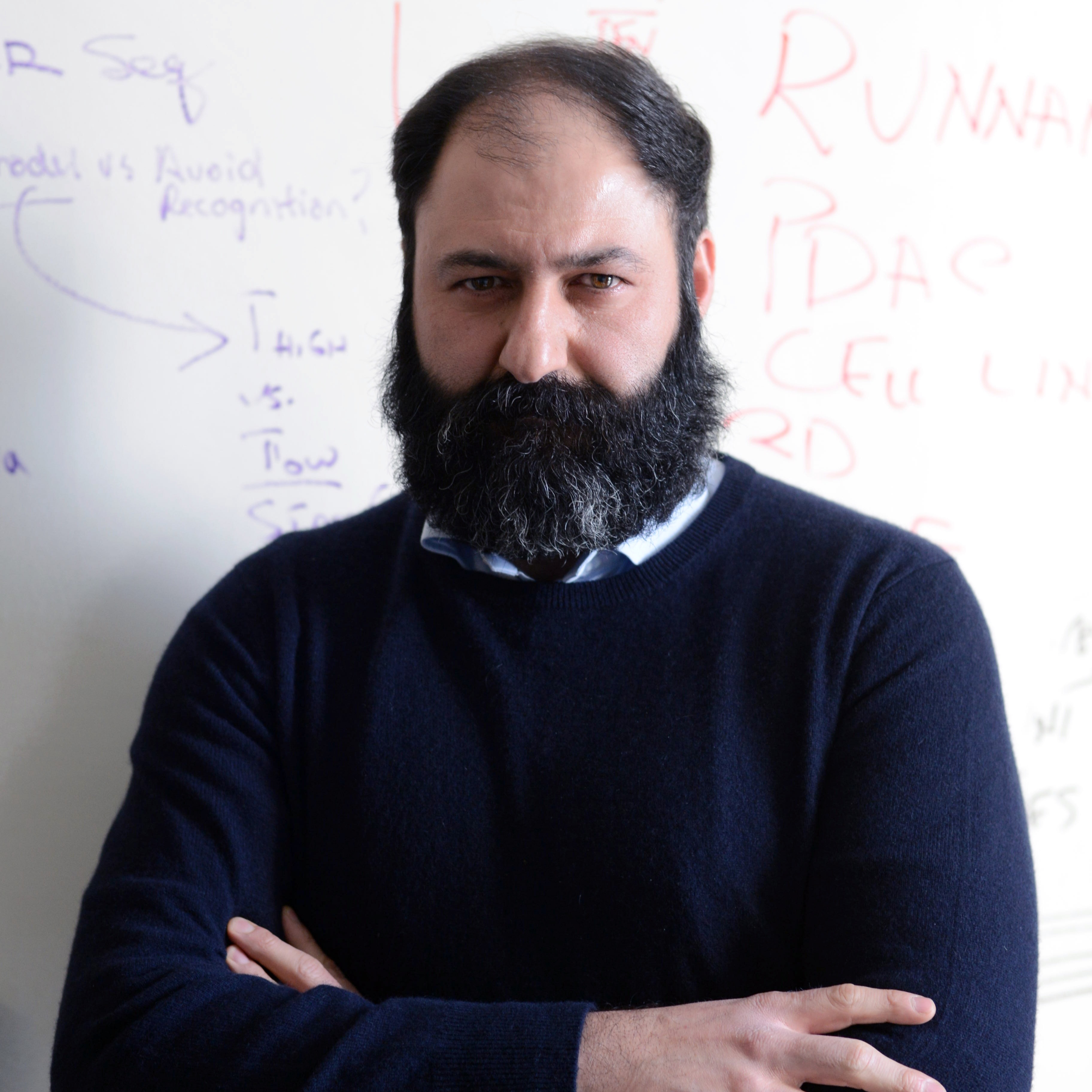
Many different kinds of mutations affect cancer genomes, but the most recurrent are copy number alterations, resulting in a cancer cell with more or fewer copies of a gene than a normal genome. Dr. Baslan is focused on developing novel therapies that target this class of mutations with an emphasis on deletion events. More specifically, using a combination of advanced algorithms and chemical biology tools, Dr. Baslan is investigating specific vulnerabilities that are associated with deletion events and developing strategies to target these sensitivities in pancreatic cancers. Ultimately, Dr. Baslan aims to explore the generalizability of these therapeutic strategies across cancers, as the majority of cancer genomes contain recurrent deletions.
Xin Zhou, PhD
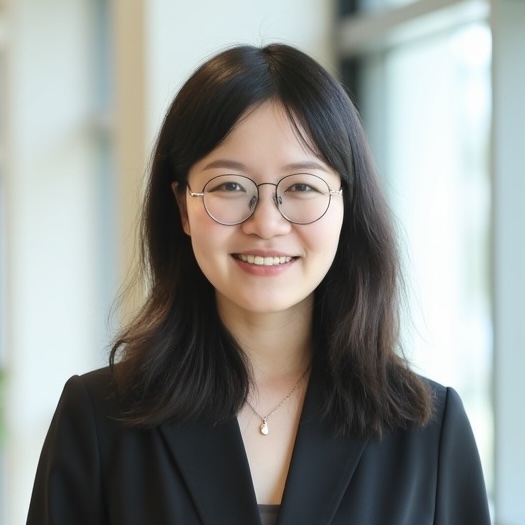
Kinase pathways control how cells grow, divide, and survive. When they malfunction, they drive many forms of cancer. Abnormal kinase signaling also contributes to resistance against current therapies. Rather than blocking these pathways as traditional treatments do, Dr. Zhou’s research explores ways to change the outcome of aberrant kinase signaling. By redirecting these pathways toward anti-tumor responses, this approach has the potential to provide more durable treatments for cancers that evade existing therapies.
Julia C. Carnevale, MD
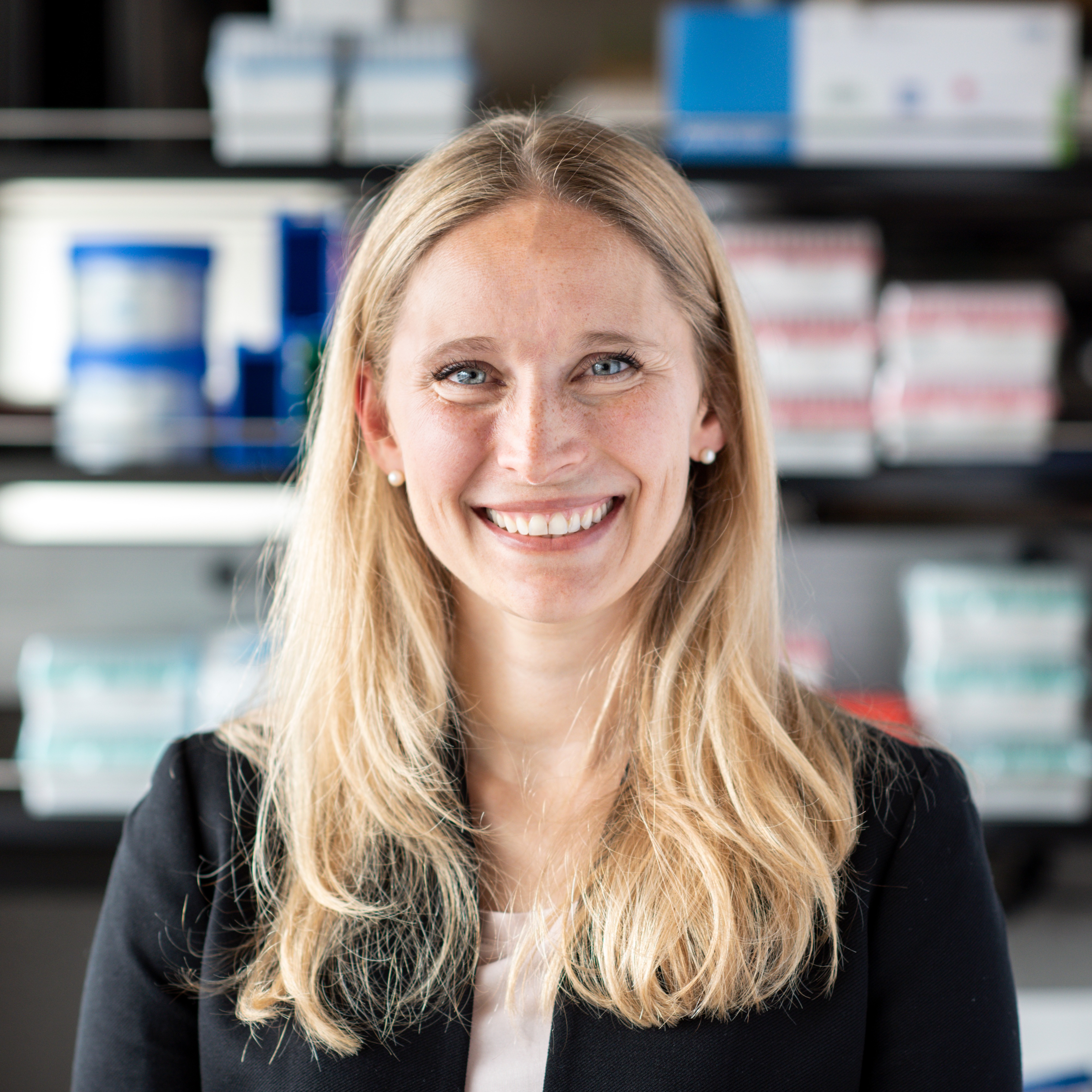
Many cancers evade immune attack by creating a local environment that suppresses immune cells, thereby preventing sustained anti-tumor responses. Dr. Carnevale’s research focuses on dendritic cells, which play a central role in activating cancer-fighting T cells. She seeks to understand how these cells can be reprogrammed to function within tumors despite suppressive signals. In addition, she plans to develop new approaches to engineer dendritic cells so they can physically and functionally coordinate multiple types of T cells within tumors, strengthening local immune responses. Ultimately, this research aims to uncover new strategies to harness dendritic cells to overcome immune resistance in cancer.
Stephen T. Ferris, PhD
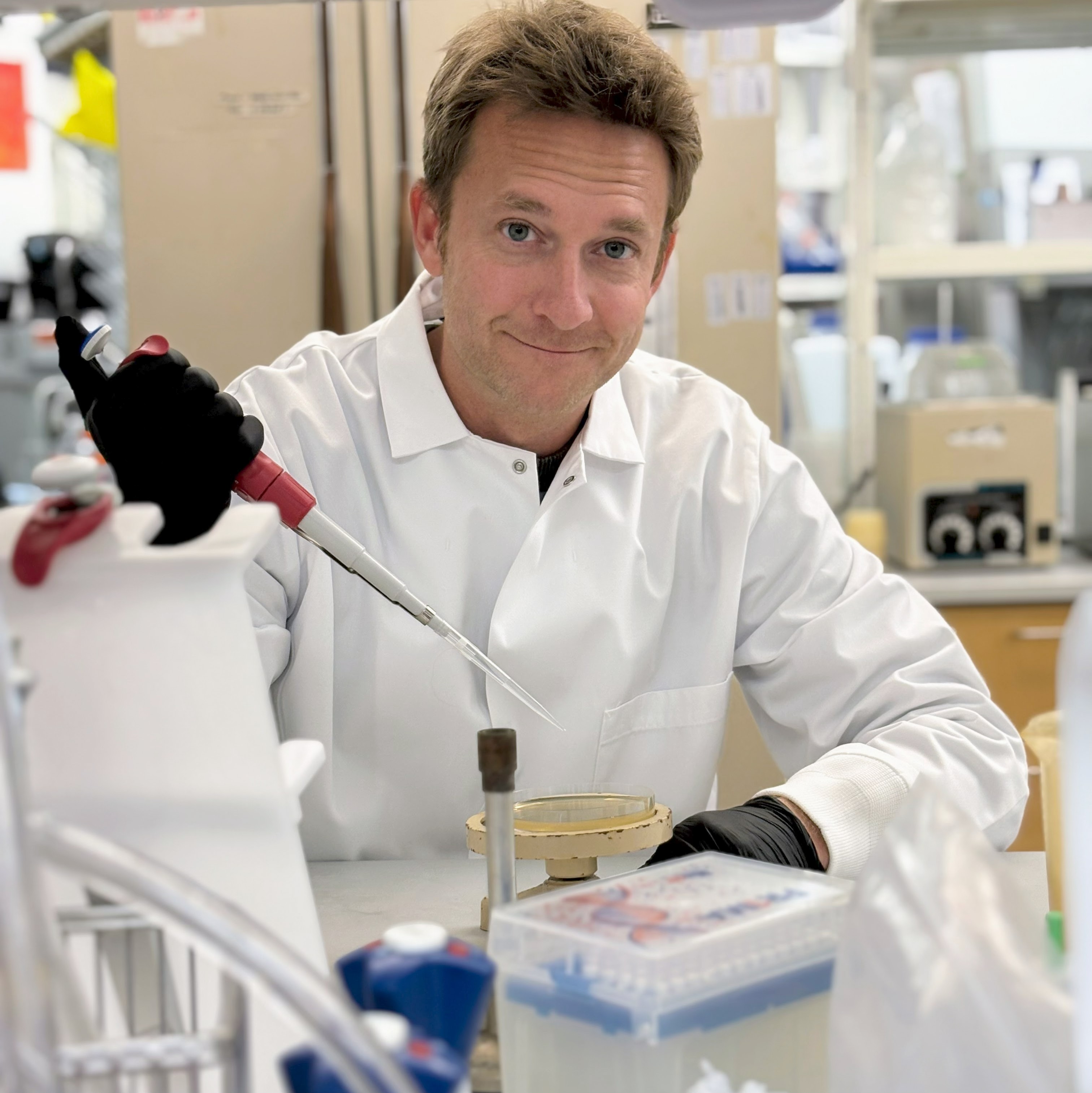
While much progress has been made in understanding cancer immune responses, natural killer T (NKT) cells remain understudied. These immune cells act as a bridge between innate and adaptive immunity, rapidly responding to targets through their distinctive receptor. This receptor recognizes lipid molecules, but we currently do not know what tumor lipids can activate NKTs or how NKTs help the immune system attack tumors. Dr. Ferris will investigate how NKTs are involved in the cancer immune response, with the goal of defining how NKT cells are activated by tumor lipids and what those lipids are. This research not only seeks to expand our understanding of fundamental immunological processes but also holds potential to develop immunotherapies to target multiple cancer types using NKT cells.
Natasha O'Brown, PhD
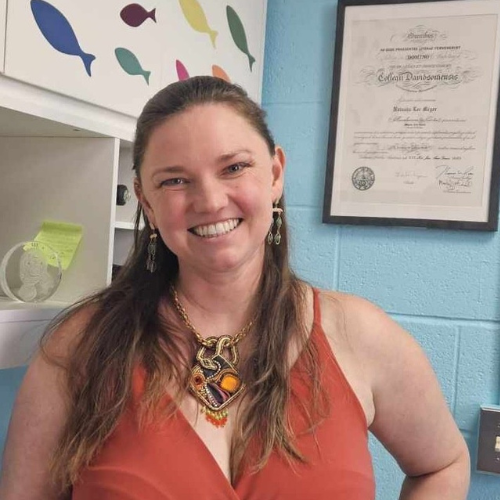
Glioblastoma is the most lethal primary brain tumor in adults, largely due to the blood-brain barrier (BBB), which blocks potentially effective chemotherapeutic drugs from entering the brain. Using zebrafish, Dr. O’Brown [Timmerman Traverse-Rachleff Innovator] aims to identify small molecules that can temporarily increase BBB permeability, enhancing drug delivery to brain tumors like glioblastoma and potentially improving patient outcomes. To achieve this, she will screen for small molecules that enhance BBB permeability and then validate promising candidates in mammalian systems to confirm their relevance for human use. Additionally, she will engineer “humanized” zebrafish to test advanced drug delivery methods in clinical trials. This innovative approach provides a new platform for discovering BBB-modulating therapies and paves the way for tailored treatments, offering hope for improved outcomes in aggressive brain cancers.
Yiyin Erin Chen, MD, PhD
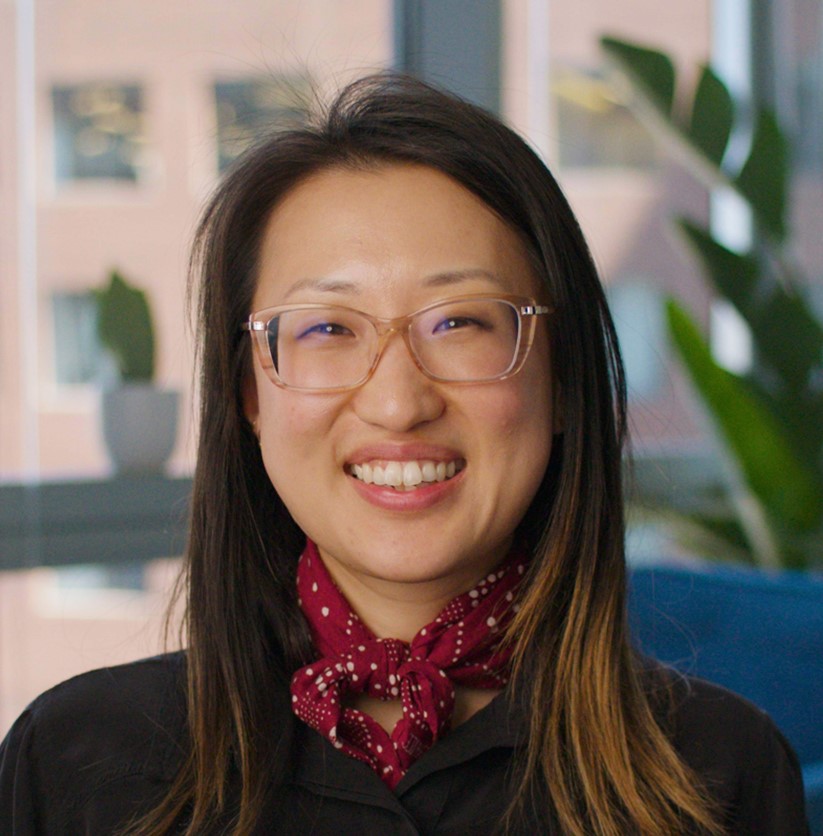
Dr. Chen’s research aims to harness a common skin-colonizing bacterium, present on all our skin, to train the immune system to attack cancer without causing infection or inflammation. This process is known to occur—notably, across an intact skin barrier—but its mechanism is not well understood. Dr. Chen is investigating which skin cells sense these bacteria and transmit the signal to immune cells, and why the immune cells that respond are so effective at killing cancer. Ultimately, she intends to develop a new type of cancer vaccine using engineered skin bacteria to activate immune cells to effectively target and destroy tumors. While the project’s current focus is melanoma, the goal is to apply this therapeutic approach across cancer types.
Meghan A. Morrissey, PhD

Certain immunotherapies work by instructing macrophages, a type of innate immune cell, to attack the tumor by phagocytosing, or eating cancer cells. However, macrophages rarely eat an entire cancer cell within a solid tumor. Instead, they nibble pieces off the cancer cell, a process called trogocytosis. While phagocytosis kills the cancer cell, trogocytosis usually doesn’t – and worse, nibbling removes the markers on the cancer cell that allow the immune system to recognize it as a threat. Dr. Morrissey is studying why some cancer cells die after being nibbled while others survive, with the goal of making macrophage-activating immunotherapies more effective. Specifically, she is studying Her2-positive breast and ovarian cancers, as it has been shown that Her2 immunotherapies cause trogocytosis instead of phagocytosis. This research could enhance any immunotherapy that is designed to activate macrophage phagocytosis, improving treatment of diverse cancers like lung cancer, lymphoma, and glioblastoma.
Mark Yarmarkovich, PhD

CAR T cells, or genetically engineered immune cells, have transformed the treatment of cancer in recent years, achieving cures for many patients who previously faced terminal diagnoses. Despite the remarkable impact that CARs have had on patients and families, however, fewer than 5% of cancer patients currently benefit from these therapies. A major barrier to broader CAR applications lies in the identification of tumor-specific targets: only ~0.00000001% of the cell surface distinguishes tumor cells from healthy cells. To date, CARs have targeted molecules on the surface of tumor cells, but the majority of tumor-specific molecules reside within the cell, where they are inaccessible to conventional CARs. Dr. Yarmarkovich’s team has pioneered a new class of CAR T cells that are able to target key drivers of cancer. These CARs completely eradicate aggressive tumors in preclinical testing and are entering the clinic in 2025. Encouraged by this success, he has proposed three new strategies to comprehensively map the landscape of subtle molecular differences that distinguish tumor cells from healthy cells. He will map the “known unknowns” using cutting-edge technologies for characterizing the surface of tumor cells, as well as the “unknown unknowns” by harnessing the immune system’s intrinsic capacity for identifying foreign targets. The goal of this study is to significantly expand the landscape of actionable immunotherapy targets, paving the way for curative therapies that benefit a much larger population of cancer patients.
Justin Perry, PhD

Dr. Perry [Damon Runyon-Lois A. Cinelli Awardee supported by the Cinelli Family Foundation] is investigating how a key immune cell in the tumor microenvironment, the macrophage, contributes to cancer’s development and progression. His work focuses on triple-negative breast cancer, as it remains one of the deadliest cancers, especially to young women and Black women, with decades of treatment efforts failing to improve patient outcomes. Specifically, Dr. Perry aims to combine novel methods of manipulating and imaging the cellular metabolism to better understand how macrophages contribute nutrients to help cancer cells meet their nutrient demand and escape treatment. This work will not only provide a method for diagnostic biomarker identification but also establish a novel platform for developing individualized treatments. Importantly, his work has the potential of being broadly applicable to all difficult-to-treat metastatic adenocarcinomas.
Humsa S. Venkatesh, PhD
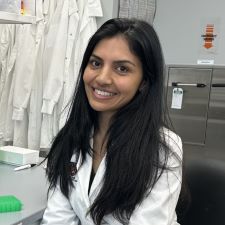
Brain cancers are one of the most common causes of cancer-related death and represent 120 molecularly distinct diseases. Despite advances in clarifying the genetic landscape of these cancers, they remain clinically intractable, underscoring the need to elucidate the complex factors contributing to their heterogeneity. As neuronal activity is known to govern the development of neural circuits and neuroplasticity, it is critical to consider these neural networks in the context of disease. Dr. Venkatesh will use classical and systems neuroscience approaches to determine how the nervous system contributes to brain cancer progression. A comprehensive understanding of malignant neural network interactions may lead to novel therapeutic interventions aimed at normalizing the tumor microenvironment.
Daniel J. Puleston, PhD
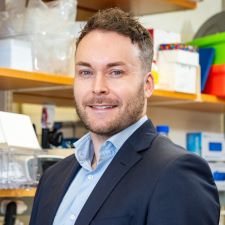
The exploration of human tumors in their native environment is challenging, precluding a deeper understanding of how cancer and important therapeutics work. Dr. Puleston [Bakewell Foundation Innovator] is developing new ways to investigate human cancer by keeping tumor-bearing organs alive outside of the body, allowing for the experimental study of tumors within human tissues. Employing this approach to study hepatocellular carcinoma (HCC), one of the most lethal forms of liver cancer, Dr. Puleston will expose HCC-laden livers to immunotherapy drugs and metabolic tracers to reveal the metabolic landscape of HCC cancers and how tumor metabolism is shaped following drug treatment. Through the study of tumors and anti-cancer agents in situ, Dr. Puleston hopes to elucidate new pathways with therapeutic potential and novel strategies to optimize existing therapeutics.
Ryan A. Flynn, MD, PhD
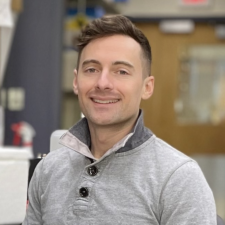
Many cancer diagnostic and treatment strategies use markers on the cell surface to find and kill cancer cells in a sea of healthy tissue. Dr. Flynn's research aims to expand our knowledge of what molecules are found on the surface of cancer cells. He will focus on acute myeloid leukemia (AML), as there is a major unmet clinical need for new curative treatments. Specifically, he aims to define RNA as a new cell surface molecule that could have unique structures on AML cells. With this knowledge he will develop antibodies to selectively detect cancer cells and enable tumor killing. Because tumors from other parts the body also express RNA on their surface, this strategy is expected to be broadly applicable to other cancer types.
Srinivas R. Viswanathan, MD, PhD
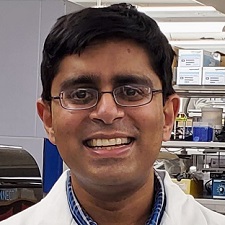
Epidemiologic studies have revealed that many cancer types display differences in incidence or outcomes between the sexes. In most cases, these differences are only partially explained by non-genetic factors such as hormonal differences, carcinogen exposure, lifestyle, and access to health care. Our understanding of how genetic factors contribute to differences in cancer incidence between the sexes remains incomplete. A fundamental genetic difference between the sexes is in chromosome composition. Relative to male somatic cells, female somatic cells have an extra X chromosome. Most genes on the second copy of chromosome X in females are inactivated via a process known as X-chromosome inactivation, which approximately equalizes the dosage of X-linked genes between males and females. Dr. Viswanathan's project tests the hypothesis that genetic alterations to the X chromosome in cancer may perturb this carefully regulated process and thereby contribute to differences in cancer incidence or pathogenic mechanisms between males and females.
CONNECT
1.877.7CANCER
info@damonrunyon.org
One Exchange Plaza
55 Broadway, Suite 302
New York, NY 10006


