
Lindsey Draper, MD
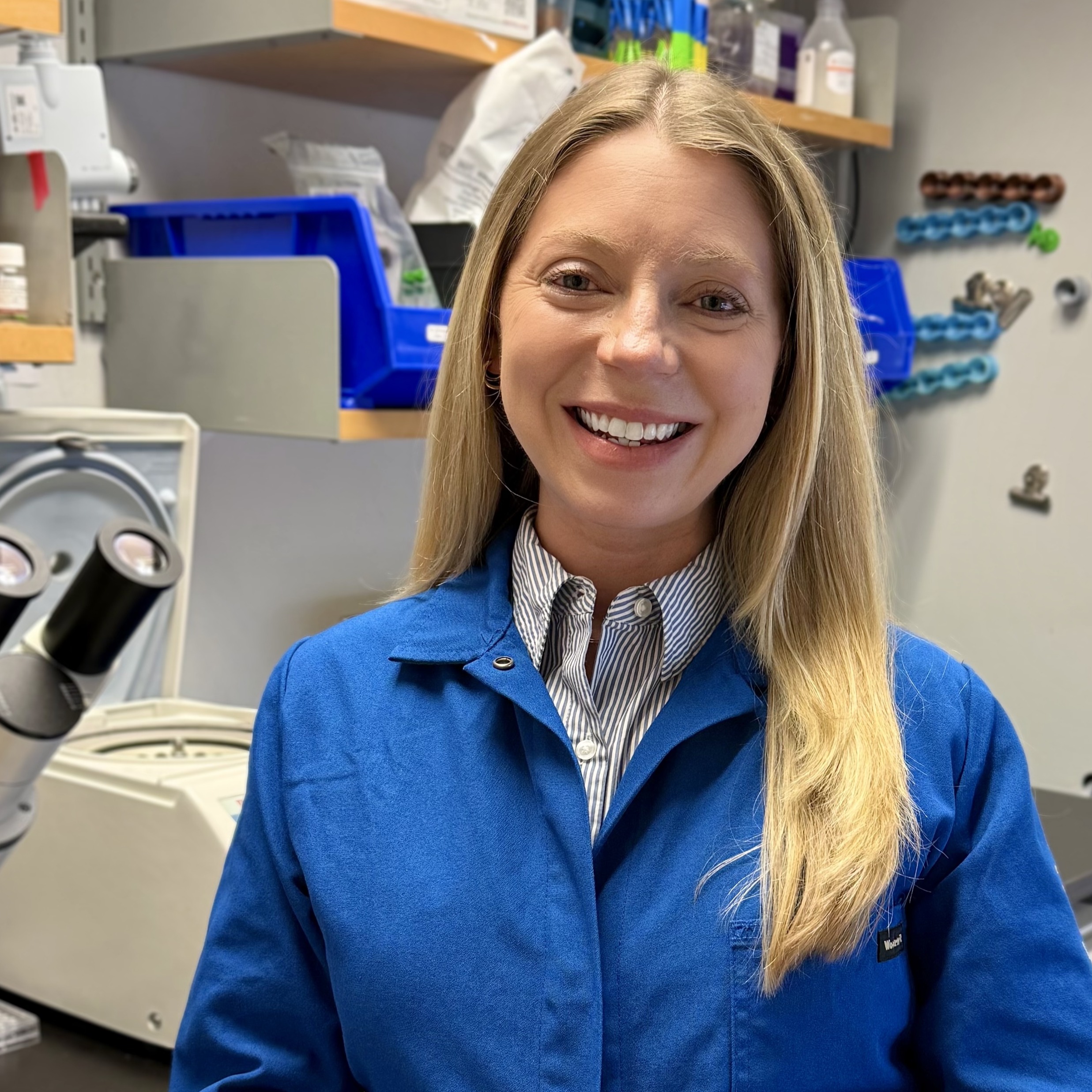
More effective immunotherapies are needed to treat advanced ovarian cancer. While most types of ovarian cancer do not respond well to immunotherapy, the presence of immune cells in ovarian tumors correlates with longer patient survival. A subset of these cells, known as tumor infiltrating lymphocytes (TIL), specifically recognize tumors. However, ovarian TIL are unable to eradicate cancer due to mechanisms of tumor immune evasion and TIL exhaustion. Dr. Draper proposes genetically reprogramming ovarian TIL to better recognize and kill tumors by introducing gene fusions that may enhance TIL persistence in the harsh tumor environment. These potent genetic enhancements will be delivered by a virus engineered to only infect TIL that target tumors, while ignoring bystander TIL that may recognize viruses, healthy human tissues, or other non-cancer targets, thus offering the potential for a safe and effective novel immunotherapeutic for patients with ovarian cancer and other immunotherapy-resistant malignancies.
Vivian Liu, MD
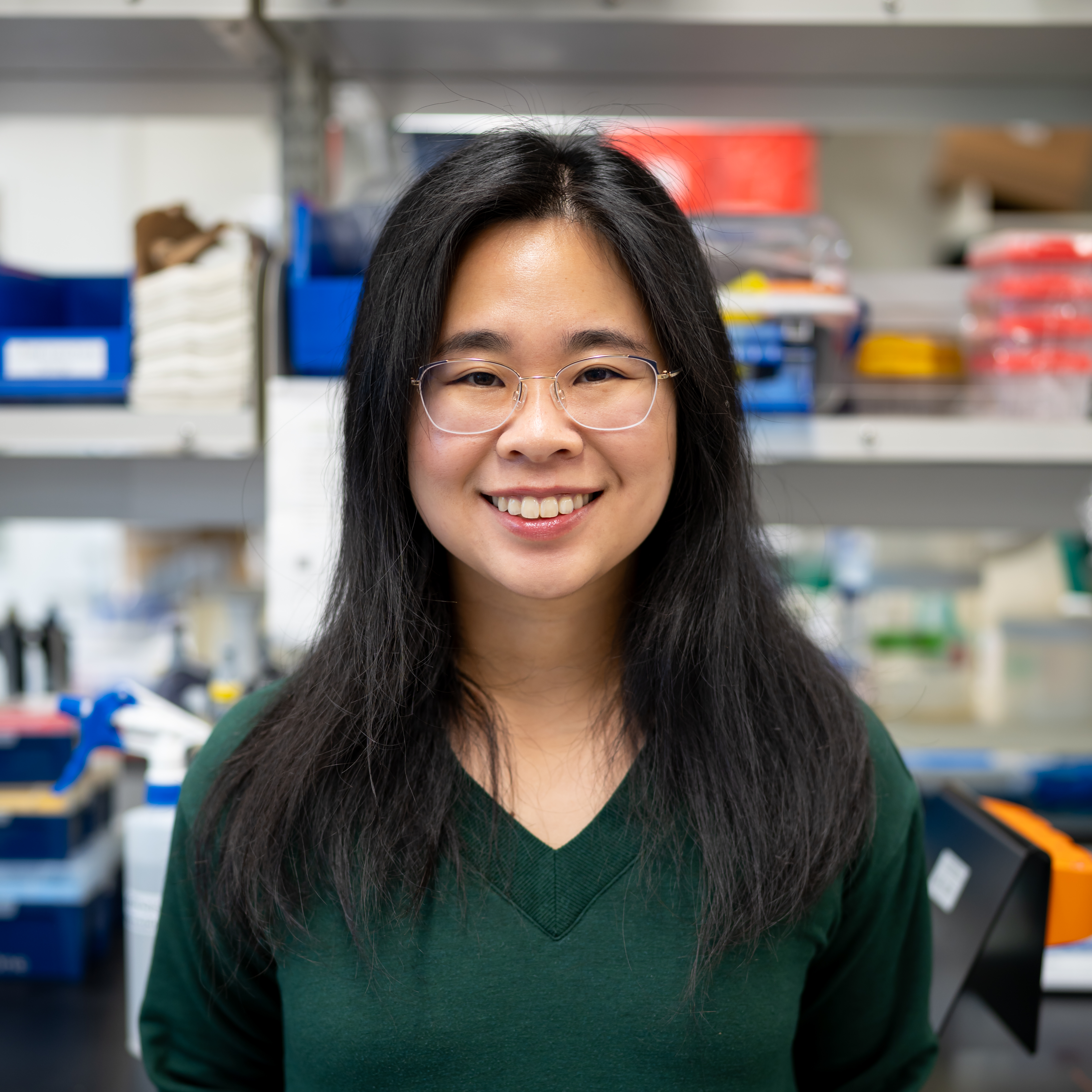
This project aims to better understand the biology of acute myeloid leukemia (AML), a blood cancer that affects white blood cells. The most common form of AML in adults involves a specific mutation in a gene known as NPM1. This mutation occurs in a consistent way and drives the growth of leukemia cells. Dr. Liu is investigating how this NPM1 mutation alters the behavior of leukemia cells and response to drug treatments, with the goal of developing new and more effective treatments for patients with this disease.
Michelle Ferreira, MD
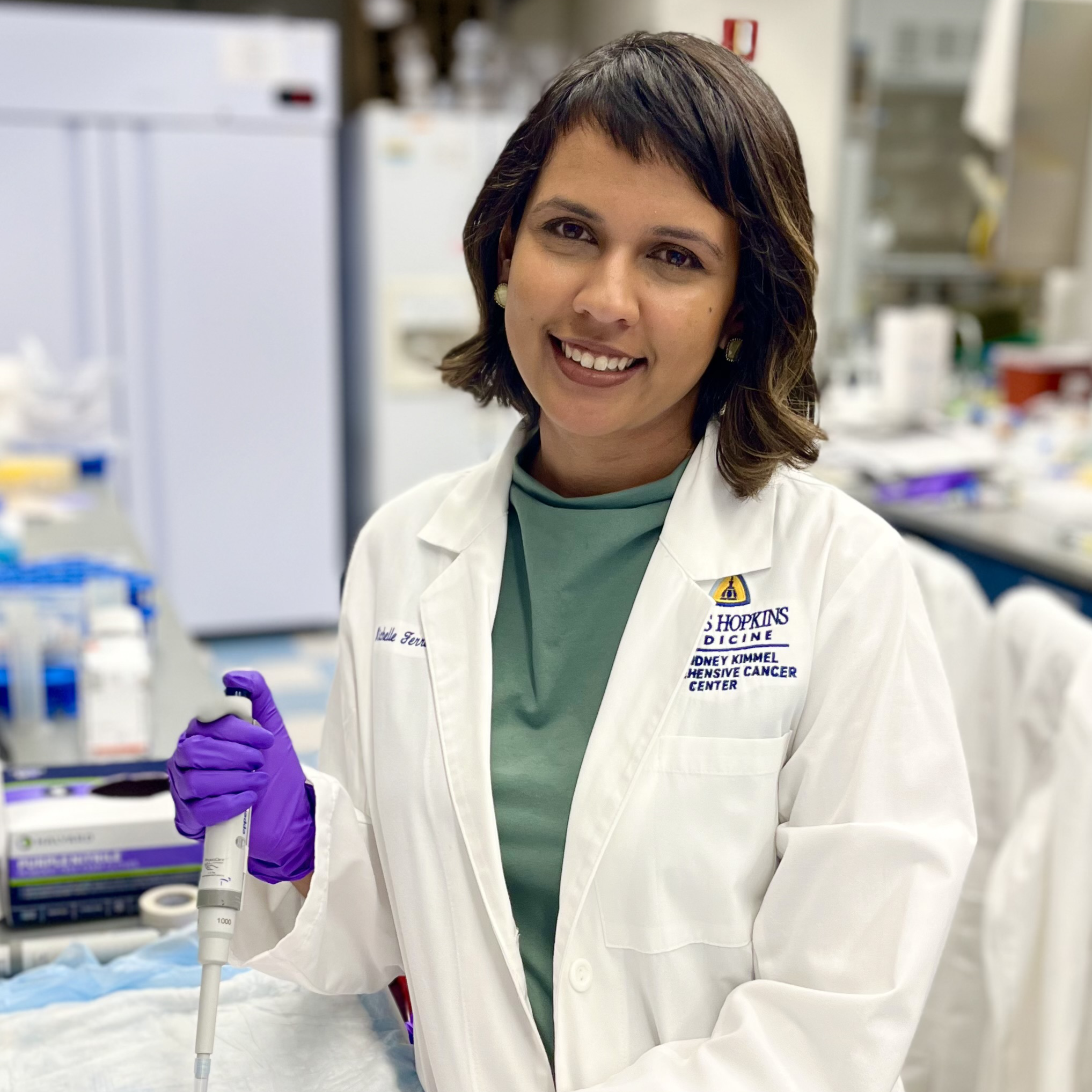
Dr. Ferreira seeks to explore dietary, microbial, and metabolic strategies to treat immune-related colitis (ir-colitis), one of the most common autoimmune toxicities resulting from immunotherapy treatment. Ir-colitis results when the patient’s immune system becomes overstimulated after immunotherapy and attacks the colon, leading to diarrhea and other gastrointestinal symptoms that can result in discontinuation of potentially life-saving immunotherapy. Although ir-colitis can be treated with steroids and other immunosuppressive agents, it remains unclear whether this immunosuppression may affect treatment. Targeting the gut microbiome through dietary intervention is a promising strategy to treat ir-colitis without interfering with cancer treatment. She plans to use a mouse model of ir-colitis to study whether intermittent fasting can be used to treat ir-colitis while simultaneously improving tumor control. She will investigate the specific metabolic and gut microbial changes that are responsible for fasting’s effects on ir-colitis, with the goal of expanding non-immunosuppressive and accessible treatment options for this common immunotherapy toxicity.
Alexandra E. Rojek, MD
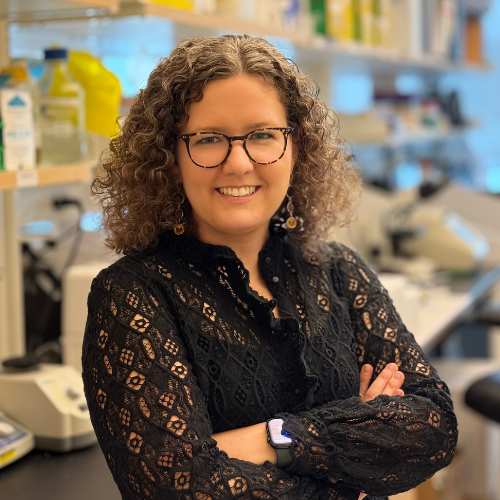
Dr. Rojek’s [Sijbrandij Foundation Physician-Scientist] research aims to identify why cellular therapies, such as CAR T cells and tumor-infiltrating lymphocytes (TILs), confer long-lasting responses for some cancer patients while others only experience transient clinical benefit. CAR T therapies have transformed the treatment landscape for patients with blood cancers, and TILs have entered wider clinical practice to treat melanoma patients. Dr. Rojek aims to identify the genetic and epigenetic differences in CAR T cells and TILs that are associated with long-lasting versus transient responses. She is also investigating how to promote “memory” formation in CAR T cells, with the goal of translating these findings to early phase trials of cellular therapies for patients with lymphoma or melanoma.
Charles S. Dai, MD

Some breast cancers and most prostate cancers express high levels of androgen receptors. Curiously, both activation and inhibition of androgen receptor signaling can result in tumor shrinkage, and the molecular mechanisms driving these opposing effects remain unclear. By studying circulating tumor cells from the blood, Dr. Dai and his colleagues found that this paradoxical effect is mainly caused by abnormal binding of androgen receptors to DNA, changing its three-dimensional structure and resulting in the shutdown of a key cancer gene called MYC. Dr. Dai may have discovered a way to therapeutically target MYC, which has long been a challenging drug target, by overactivating androgen receptors to disrupt the DNA structure required to keep MYC turned on. This could be a promising new strategy to treat certain breast and prostate cancers. He is now investigating why this effect occurs, and how many cancers could be treated this way. Dr. Dai’s research could lead to a new approach to cancer treatment: activating androgen receptors to disrupt the genes that cancers rely on to grow.
Annabelle J. Anandappa, MD
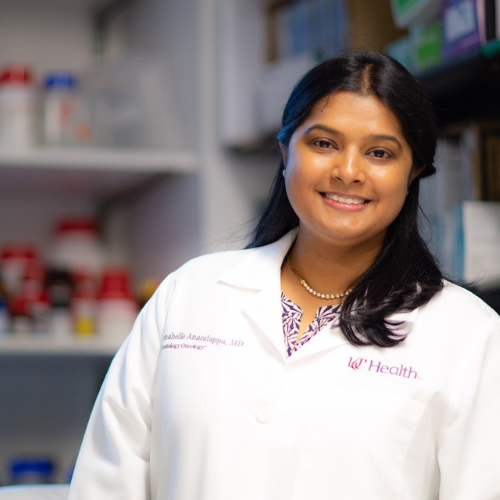
Acute myeloid leukemia (AML) is an aggressive blood cancer, diagnosed in about 20,000 people in the U.S. each year. New targeted therapies have greatly expanded treatment options, particularly for older adults who cannot tolerate chemotherapy, but despite these advances, most patients with AML will experience relapse. Research has identified that mutations in the RAS signaling pathway are associated with relapse after targeted therapies. Dr. Anandappa aims to establish a role for RAS inhibitors in treating AML and elucidate the role of inflammation in RAS-mutated AML. She will use CRISPR to study over 300 genes involved in inflammatory signaling and determine if blocking them will increase response to treatment with a RAS inhibitor. The outcomes of this project will ultimately guide the design of combination regimens for the treatment of RAS-mutated AML.
Rebecca L. Zon, MD

Thalidomide derivatives are a mainstay of treatment in multiple myeloma, a cancer of white blood cells called plasma cells. However, around one in ten individuals treated with thalidomide derivatives for multiple myeloma will develop a blood clot, which can be life-threatening. It is critical to determine how to continue to use thalidomide derivatives to kill myeloma cells, while working to understand why these drugs increase the likelihood of clotting. Thalidomide derivatives work by degrading proteins important to myeloma cell growth; Dr. Zon [The Mark Foundation for Cancer Research Physician-Scientist] hypothesizes that these drugs could similarly lead to the degradation of proteins that prevent blood clotting. She is comprehensively evaluating what factors promote blood clots patients with multiple myeloma, with the goal of developing more targeted medications to prevent blood clots and improve treatment outcomes in blood cancer patients.
Vignesh Shanmugam, MD
It has been long recognized that B-cell malignancies such as follicular lymphoma (FL) are dependent on interactions with nearby non-malignant cells for survival. However, this dependency has yet to be exploited therapeutically. Dr. Shanmugam aims to define the pro-tumorigenic growth factors in the environment around malignant B cells in FL and elucidate the mechanisms of how these growth factors promote FL cell survival and proliferation. This knowledge will enable the development of new treatments that block these interactions and new laboratory models of follicular lymphoma.
Xiaoli Mi, MD
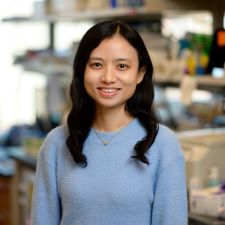
Chimeric antigen receptor (CAR) T cells are a type of immunotherapy that uses genetically engineered T cells from patients to treat cancer. While a one-time treatment has the potential to generate long-term protection from relapse, CAR T cells often fail due to poor persistence. Dr. Mi [Damon Runyon-Lois A. Cinelli Awardee supported by the Cinelli Family Foundation] recently studied samples from patients with durable remissions of leukemia and found that rare persistent CAR T cells share a distinct set of molecular and cellular features. She will now define the properties of persistent CAR T cells across multiple blood cancers, trace their T cell origins and evolutionary dynamics using novel technologies, and experimentally evaluate her findings in preclinical models. These studies could illuminate how CAR T cells change over time in patients and help guide development of future cellular therapies with more durable effects for patients with different types of cancers.
Rahul S. Bhansali, MD

Dr. Bhansali [Damon Runyon-Lois A. Cinelli Awardee supported by the Cinelli Family Foundation] is studying how epigenetic processes—specifically the three-dimensional folding of DNA—promote the development, growth, and survival of cancers. His research focuses on T-cell acute lymphoblastic leukemia (T-ALL), an aggressive blood cancer affecting both children and adults for which traditional chemotherapy remains the mainstay of treatment. LDB1 is a protein involved in the process of DNA folding that partners with another protein called LMO2, which is highly expressed in up to 75% of T-ALL. Dr. Bhansali hypothesizes that LDB1/LMO2 rewire the normal gene expression machinery in our blood cells in a way that activates cancer-promoting genes to cause leukemia. Targeting this process may shed light on new treatment avenues and ways to overcome resistance to treatment.
Nina Weichert-Leahey, MD
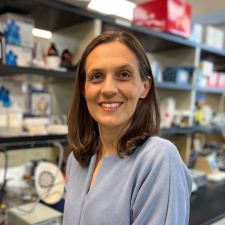
Neuroblastoma is a rare pediatric cancer that typically arises in the adrenal glands, located above the kidney. Children with high-risk neuroblastoma often have poor prognoses despite intense treatment-including maintenance treatment with retinoic acid-underscoring the need for new treatments to improve long-term outcomes. Retinoic acid, which is orally available and generally well tolerated, helps neuroblastoma cells mature (differentiate) into normal cells; however, this process is entirely reversible once the retinoic acid is withdrawn. If this differentiating effect could be made permanent with the addition of a second drug, a combination treatment with retinoic acid could become a novel method of preventing patient relapse. After testing a panel of 452 small molecule drugs, Dr. Weichert-Leahey discovered that a drug called PF-9363 accentuated the effects of retinoic acid in neuroblastoma the most. She will now study how PF-9363 functions, alone and together with retinoic acid, both in cells and patient-derived neuroblastoma models in mice. These experiments will indicate whether combinations of this new compound with retinoic acid may improve outcomes for children with high-risk neuroblastoma.
Mounica Vallurupalli, MD
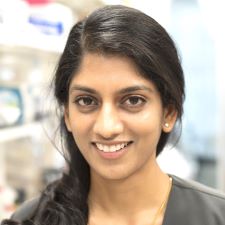
Before a gene can be expressed, a protein known as a splicing factor must remove non-coding regions (introns) from the RNA strand. Mutations in splicing factors, and specifically one called SF3B1, can lead to the development of certain blood cancers. Dr. Vallurupalli [David M. Livingston, MD, Physician-Scientist] will use genome editing technologies to generate and characterize SF3B1-mutant models in human adult blood stem cells. She will also screen for other genetic factors that may influence the outcome of SF3B1 mutations. Her goal is to identify previously unrecognized therapeutic targets for treating splicing factor-mutated blood cancers.
CONNECT
1.877.7CANCER
info@damonrunyon.org
One Exchange Plaza
55 Broadway, Suite 302
New York, NY 10006


