

Longfu Xu, PhD
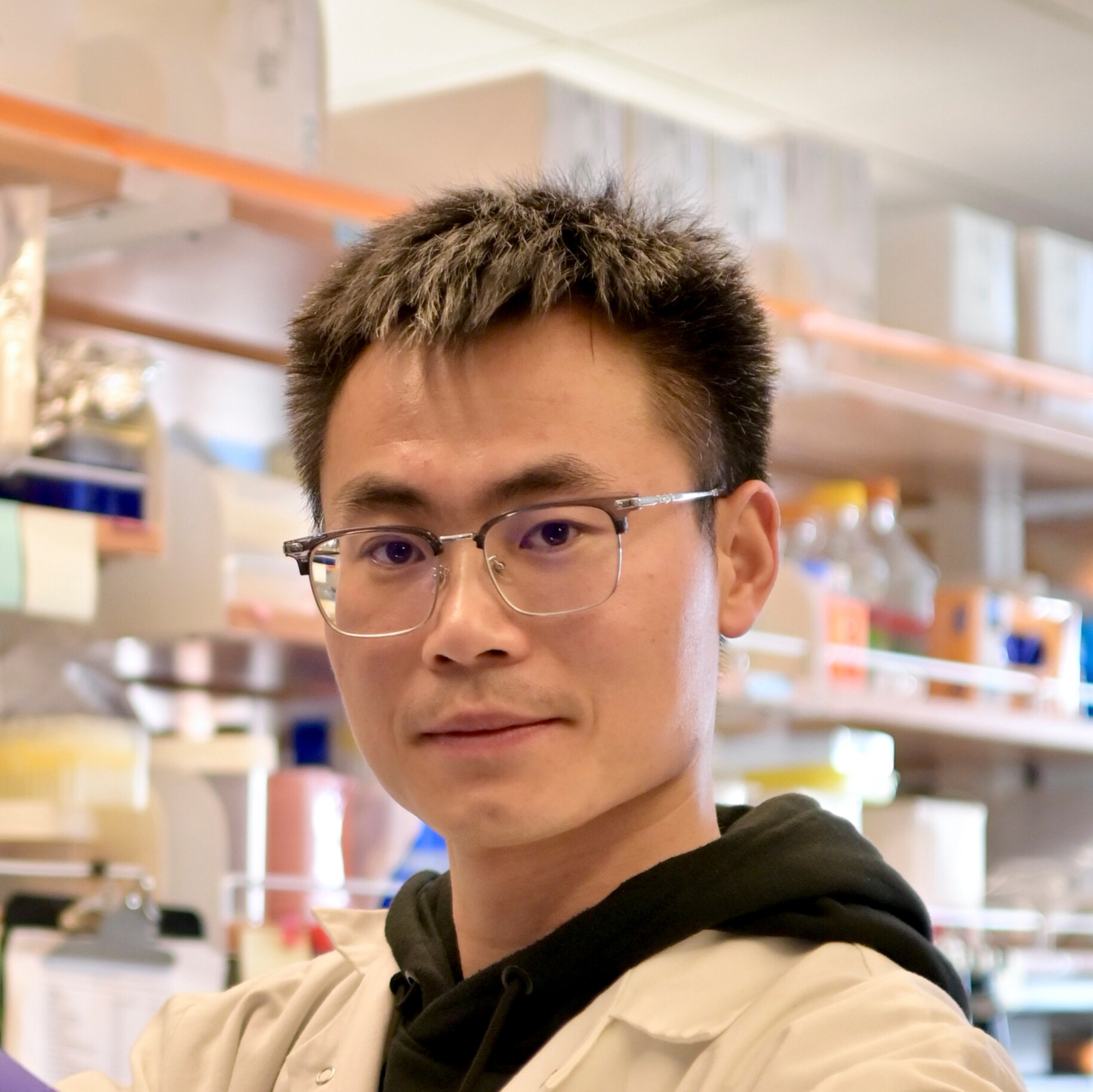
Many cancers develop when crucial “cellular machinery” malfunctions. One component of this machinery is the ring ATPase, which harnesses the energy from ATP to perform essential tasks such as maintaining protein homeostasis and ensuring genome stability—processes vital for preventing uncontrolled cell growth. Understanding precisely how these complex human ring ATPases operate and coordinate their actions remains a significant challenge. Dr. Xu’s [HHMI Fellow] research focuses on a mechanically similar, yet structurally simpler, ring ATPase found in the φ29 bacteriophage. By filming high-resolution “movies” of this viral ring ATPase in action using advanced single-molecule techniques, Dr. Xu aims to uncover the fundamental principles of its mechanochemical cycle. This will reveal, step-by-step, how it converts chemical energy into the precise mechanical forces and coordinated movements required to stabilize DNA. This work is relevant to a range of cancers where cellular ring ATPases are dysregulated, and the insights gained could pave the way for novel therapeutic strategies targeting these essential molecular machines. Dr. Xu received his PhD from Vrije Universiteit, Amsterdam, his MS from the University of Chinese Academy of Sciences, Beijing, and his BS from Northeast Agriculture University, Harbin.
Denis Torre, PhD
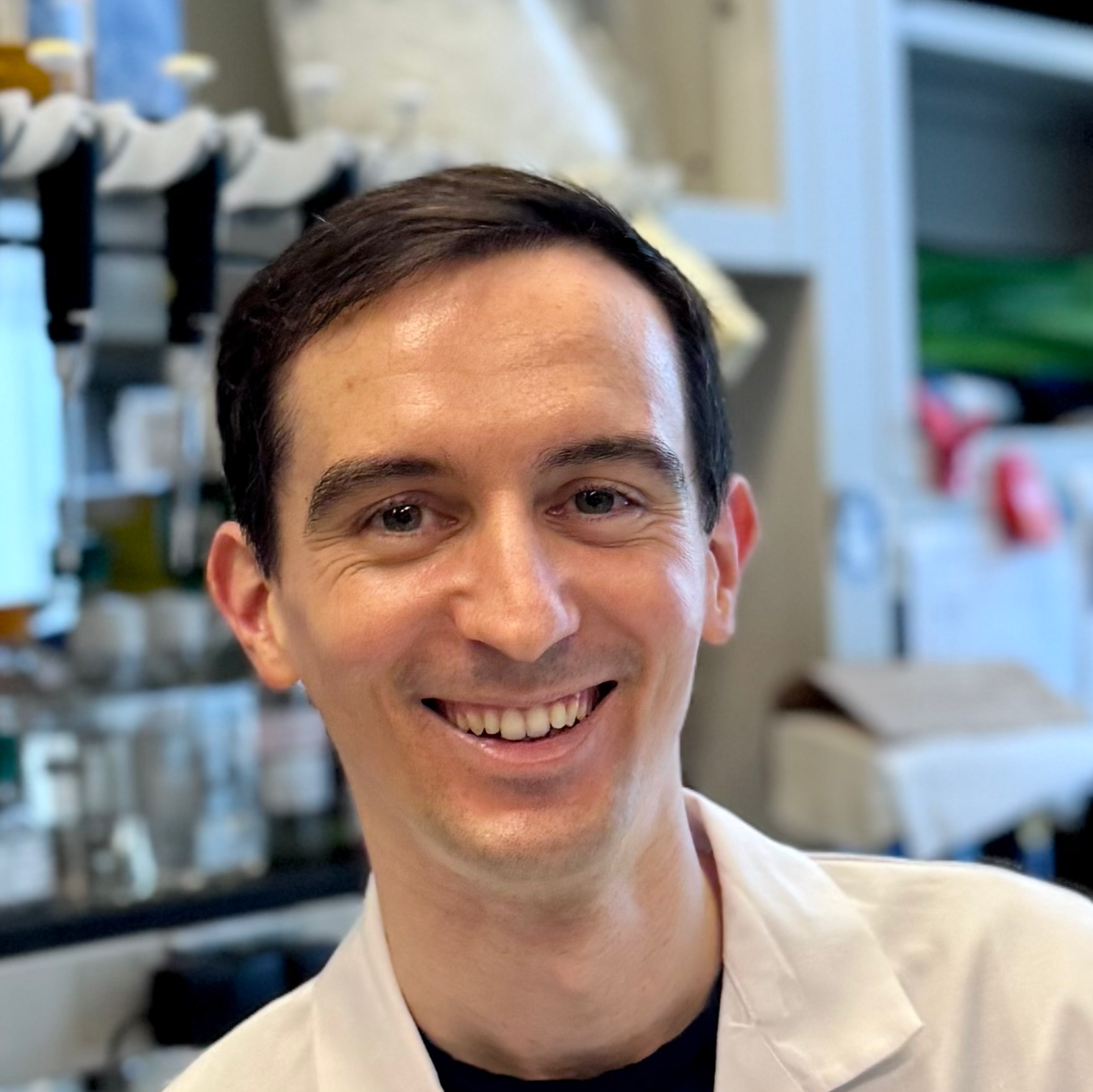
Genetic disturbances can disrupt normal cellular programs, promote unrestricted proliferation (i.e., tumor growth), and expose vulnerabilities that can be targeted therapeutically. However, how cells dynamically respond to such changes over time remains incompletely understood. Dr. Torre [Kenneth G. and Elaine A. Langone Fellow] will use cutting-edge genetic tools, such as CRISPR and single-cell RNA sequencing, to study the precise sequence of molecular events triggered upon silencing of key regulators of cell identity and proliferation in human cells. By combining single-cell data with advanced statistical modeling, this work will reveal how gene perturbations dynamically alter cellular networks and drive survival or cell death, thus helping inform the development of novel cancer treatments. Dr. Torre received his PhD from the Icahn School of Medicine at Mount Sinai, New York, and his BS from the University of Trieste, Trieste.
Parker J. Nichols, PhD
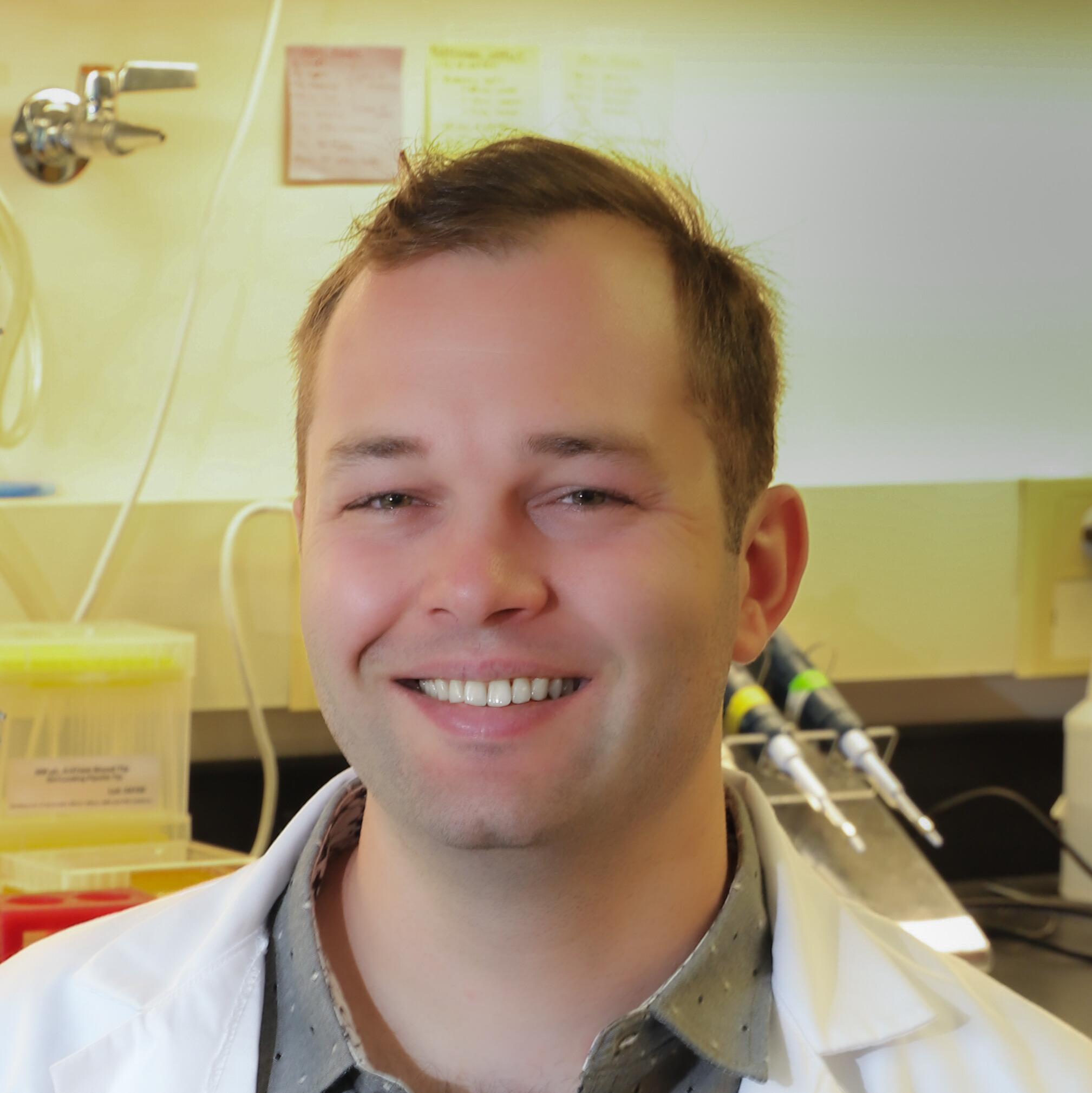
Cells have a built-in defense system that detects double-stranded RNA (dsRNA), a molecule often associated with viruses. Although this system evolved to fight microbial infections, activating it can also help the body recognize and attack cancer, especially when combined with treatments that make tumors easier for immune cells to detect. However, tumors can escape this immune pathway by producing high levels of a protein called ADAR, which edits dsRNA by changing one of its building blocks, adenosine, into inosine. These edits prevent the dsRNA from being recognized, allowing cancer cells to stay hidden even during treatment. Dr. Nichols’ [Merck Fellow] research aims to understand how these RNA changes block immune detection and to identify which RNA molecules are most likely to trigger an immune response. By uncovering how cancer cells use this editing process to escape detection, he hopes to support the development of better immunotherapy treatments. Dr. Nichols received his PhD from the University of Colorado, Anschutz Medical Campus, Aurora, and his BA from Lewis and Clark College, Portland.
Hannah R. S. Martin, PhD
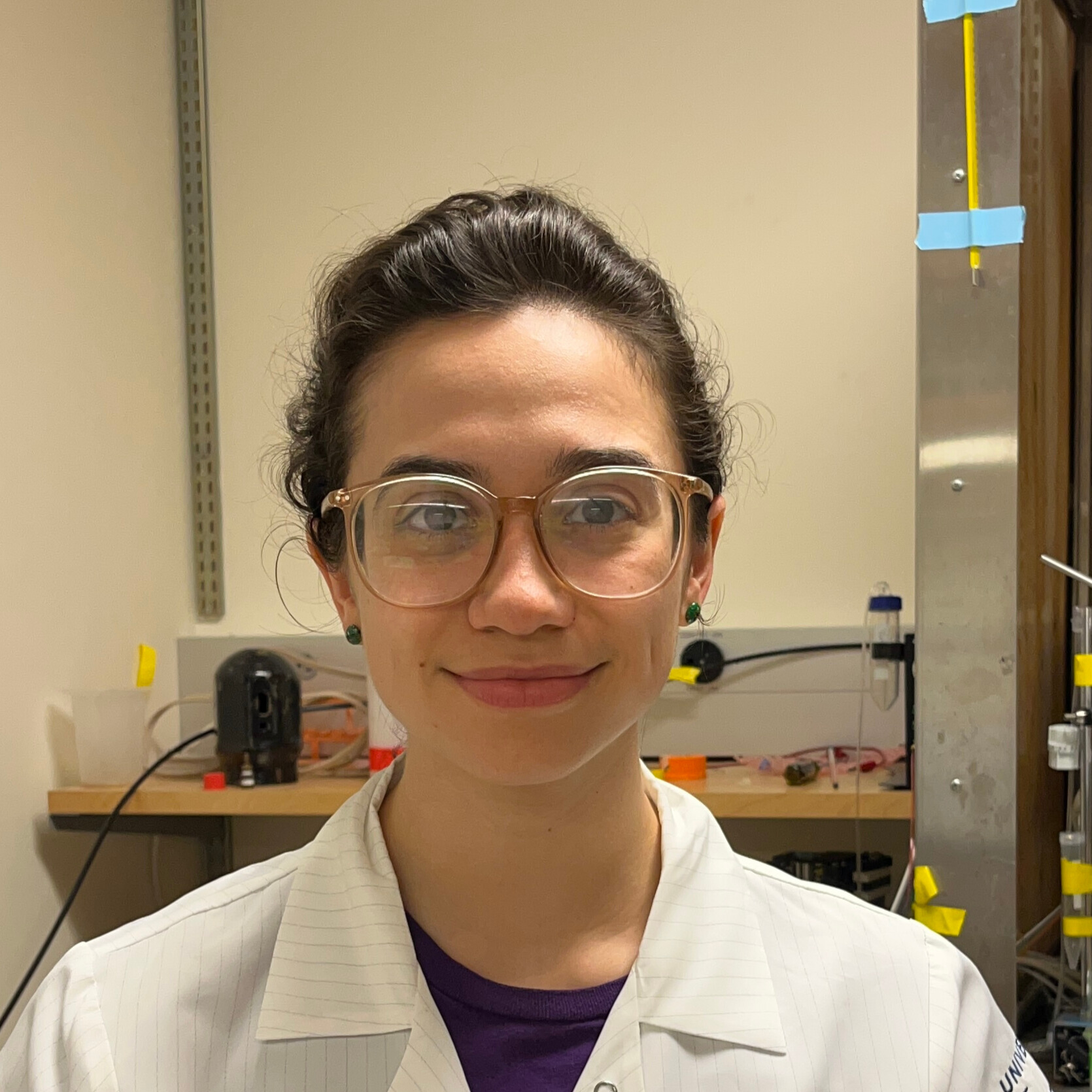
“Bone-deep pain” is more than a metaphor. Bones and joints are constantly monitored by sensory neurons (nociceptors) that detect damage and trigger protective pain responses. However, in bone cancer and osteoarthritis, this pain can become chronic and debilitating—especially when the bone’s rich environment is colonized by migrating metastatic tumor cells originating in the prostate, breast, or lung. Dr. Martin’s [Connie and Bob Lurie Fellow] research aims to uncover how skeletal sensory neurons are activated and remodeled in these conditions. Using neurophysiology techniques, she is mapping how skeletal neurons respond to potential triggers and testing a new hypothesis: that these neurons not only detect tumors but also influence their growth. This work may uncover new strategies for treating chronic skeletal pain. Dr. Martin received her PhD from the University of Chicago, Chicago, and her BS from St. John’s University, New York.
Kate M. MacDonald, PhD
Despite being necessary for life, gene expression is dangerous. It forces the double-stranded DNA helix to unwind and separate, so that one strand can be used as the template to synthesize an RNA molecule—the cousin of DNA that brings genes to life. This process leaves the opposite strand exposed and vulnerable to accidental damage and mutation, which can then cause cancer. Dr. MacDonald’s [Connie and Bob Lurie Fellow] work will systematically check various features of RNA molecules, looking for characteristics that cause an RNA sequence to aberrantly stabilize on its template DNA, prolonging the vulnerable exposure of the opposite DNA strand. Using a new kind of microscopic RNA imaging that she developed, she will find the cellular proteins responsible for removing pathologically stable RNA molecules from DNA. Uncovering the molecular features that promote gene expression-driven DNA damage will deepen our understanding of the origins and development of all cancers. Dr. MacDonald earned her PhD from the University of Toronto, Toronto, and her BS from the University of British Columbia, Vancouver.
Ling S. Loh, PhD
In simple terms, cancer arises when some cells in our body stop cooperating with the rest and start growing uncontrollably, threatening the whole organism. This breakdown in cooperation is similar to how certain beetles (called myrmecophiles) infiltrate ant colonies and selfishly use their resources, acting like a “cheater” in a cooperative society. Both cancer cells in healthy tissue and these beetle invaders in ant colonies represent a failure of cooperation, whether among cells in an organism or individuals in a colony. Ant colonies, like multicellular organisms, rely on strict controls to function properly, and when those controls are bypassed, the whole system is at risk. By recreating a key “cheating” trait in beetles—disabling their surface chemical signals to let them sneak into ant colonies—the project aims to reveal universal principles about how cooperation breaks down and how systems might evolve defenses against such threats. These insights could help to understand the fundamental properties of cancer and how to design better strategies to stop it. Dr. Loh [Sijbrandij Foundation Fellow] received her PhD from George Washington University, Washington D.C., and her BS from National University of Singapore, Singapore.
Jane E. Lodwick, PhD
Many bacteria naturally colonize tumors, inspiring an emerging class of microbial therapeutics that can be modified to specifically deliver drugs into cancer tissue. In one promising drug delivery strategy, bacteria are engineered to efficiently transfer bespoke molecular cargo into human cells through bacterial membrane channels called secretion systems. Although many kinds of bacterial secretion systems exist, few have been studied well enough to be used in delivery platforms. Dr. Lodwick [National Mah Jongg League Fellow] plans to investigate the structure and function of a specific secretion system in a bacterium called Rickettsia parkeri. Understanding how and when its components assemble into a cargo delivery machine may aid the development of new bacteria-based cancer therapies. Dr. Lodwick received her PhD and MS from the University of Chicago, Chicago, and her BA from Wellesley College, Wellesley.
Yuxuan Chen, PhD
Dr. Chen [Philip O’Bryan Montgomery Jr. MD Fellow] is genetically re-engineering cancer-infecting viruses so that, once inside a tumor cell, they flip on a built-in “self-destruct” circuit called pyroptosis. This explosive form of cell death not only wipes out the infected cell but also broadcasts an alarm that rallies the immune system against the whole tumor. By pairing this viral upgrade with an ultrasound trigger, Dr. Chen aims to turn treatment-resistant pancreatic cancer—and, ultimately, other solid tumors—into diseases the immune system can eradicate. Dr. Chen received his PhD and MS from Zhejiang University, Hangzhou, and his BS from Southwest Jiaotong University, Chengdu.
Carissa Chan, PhD
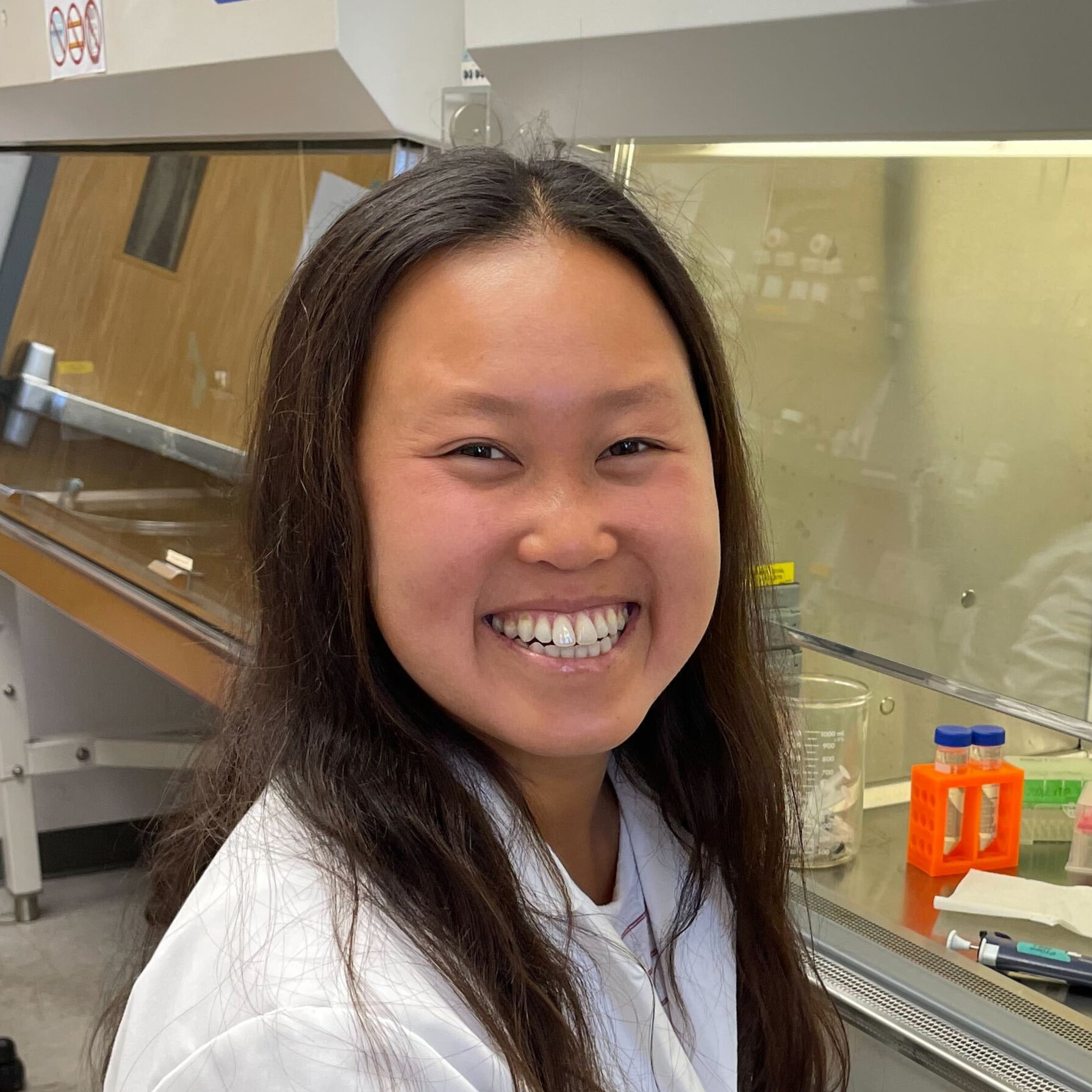
Microbial pathogens that enter and spread within host tissues cause disease. However, the intricate adaptations that enable pathogens to invade host cells also positions these organisms as an ideal tool for drug delivery and vaccination. While infection with virulent strains of the intracellular pathogen Listeria monocytogenes causes gastrointestinal symptoms and fever — and, in more severe cases, sepsis or meningitis — in recent years, attenuated strains of L. monocytogenes have been explored for use as an anti-cancer vaccine via generation of anti-tumor CD8 T cells and production of a tumor microenvironment that allows these anti-cancer immune cells to function. Abolishment of virulence is critical in strains used for vaccination, especially because cancer patients are often immunocompromised and highly susceptible to infection. Dr. Chan’s [Sijbrandij Foundation Fellow] research investigates the molecular mechanisms by which unusual translation factors help bacteria produce secreted toxins, spread amongst host cells, and defend themselves against killing by the host immune system. By discovering new genetic targets that can be inactivated to suppress virulence, Dr. Chan’s work identifies pathways that can directly be leveraged for development of microbial-based anticancer vaccines. Dr. Chan received her PhD from Yale University, New Haven, and her BS from the University of California, Los Angeles.
Ruoyu Wang, PhD
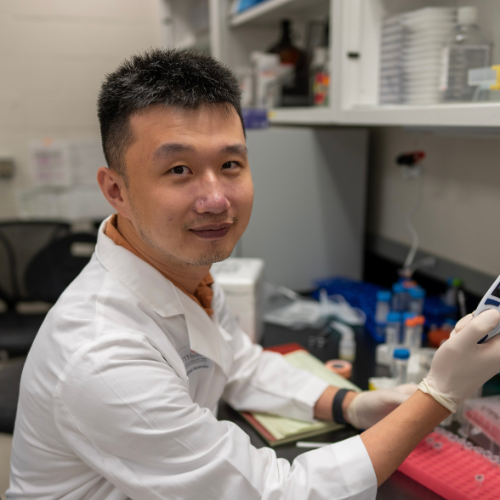
Many cancer mutations occur in regions of the human genome that do not code for proteins. These non-coding regions serve as vital regulators of gene expression; mutations in these regions contribute to various hallmarks of cancer. Elucidating these regulatory elements and their malignant variants is critical for advancing our understanding of cancer biology and fostering precision medicine. Deep learning sequence models can substantially enhance our grasp of the regulatory genome in both health and disease. To this end, Dr. Wang aims to combine generative AI models with single-molecule regulatory genomics to uncover the principles that underlie the cancer regulatory genome at unprecedented resolution and precision.
With single-molecule regulatory genomics, Dr. Wang will develop a deep generative AI model to learn the probability landscape of the single-molecule regulatory genome. By taking any DNA sequence as input, the deep generative AI model can generate diverse configurations of single-molecule chromatin states.
CONNECT
1.877.7CANCER
info@damonrunyon.org
One Exchange Plaza
55 Broadway, Suite 302
New York, NY 10006


