

Isabella N. Grabski, PhD
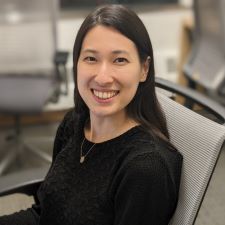
Only 3% of cancer drugs in clinical trials ultimately receive FDA approval, compared to 15-33% of drugs for other types of diseases. Recent studies have suggested that many drugs being explored for cancer treatment do not actually target their intended molecule in the cell. This has important implications for efficacy and safety and could be a key contributor to the low FDA approval rate. Dr. Grabski [Kenneth G. Langone Quantitative Biology Fellow] has created a novel experimental and computational framework to identify drug mechanisms of action at molecular resolution by leveraging CRISPR-based technologies. With this framework, she hopes to more precisely identify how a given cancer drug functions in the cell. This could serve as a powerful tool for preclinical evaluation and even potential discovery of new cancer therapeutics.
Dr. Grabski’s project aims to identify drug targets by modeling drug transcriptional response as a sum of genetic perturbation responses. She will perform this deconvolution in two steps. First, she will use a multi-condition latent factor model to produce denoised estimates of perturbation effects. Second, she will leverage sparse Bayesian regression techniques to map drug responses to these perturbation effects, in a way that can summarize complex patterns of uncertainty among related perturbations.
Alon Chappleboim, PhD
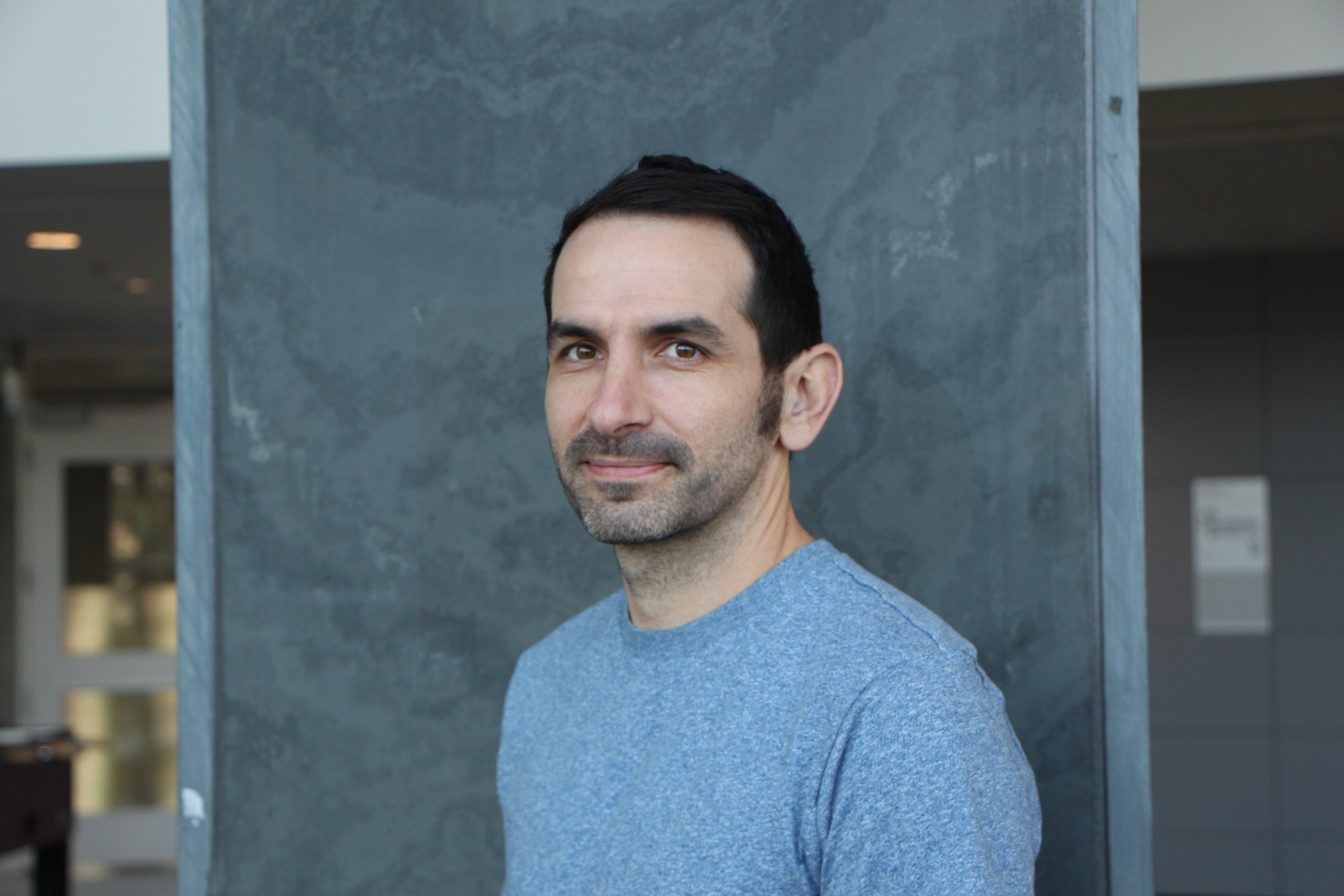
Dr. Chappleboim studies how cells communicate during a developmental process called somitogenesis, which drives the formation of repeated structures such as the spinal vertebrae. The signals that guide cell communication during this process can get misinterpreted by cancer cells, resulting in uncontrolled growth. These pathways are implicated in numerous cancer types but are notably associated with colorectal, ovarian, and breast cancer. Using cutting-edge techniques in human stem cells and 3D-models called organoids, along with the tools of computational biology, Dr. Chappleboim aims to deliberately perturb and examine these signaling pathways to gain a comprehensive understanding of how they function. Dr. Chappleboim received his PhD, MS, and BS from Hebrew University of Jerusalem, Jerusalem.
Fanglue Peng, PhD
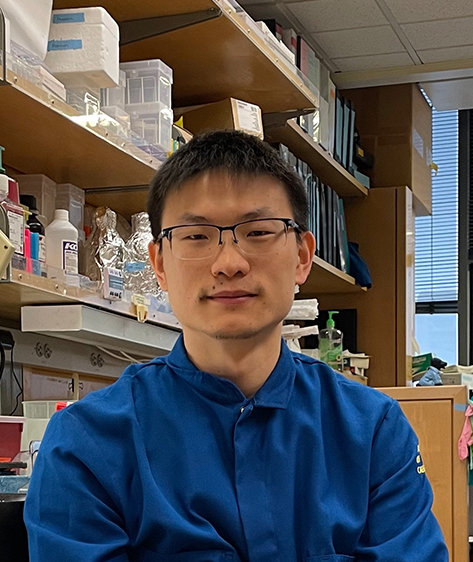
Accumulating evidence shows that specialized structures of white blood cells (lymphocytes), named tertiary lymphoid organs (TLOs), can form inside tumors and play a crucial role in fighting cancer progression. Unlocking the formation and functions of TLOs holds great promise for advancing cancer immunotherapy, but studying TLOs remains challenging due to the substantial disparities between humans and animal models. To address this, Dr. Peng [Connie and Bob Lurie Fellow] will leverage single-cell sequencing data and high-throughput screening methods to investigate a key initiator of TLO formation in human tumors. He further plans to develop innovative genetic models that enable the study of TLOs in a human-specific context within living organisms. By unraveling the intricacies of TLO biology, Dr. Peng aims to uncover novel therapies that can augment cancer immunotherapy and enhance treatment outcomes across various cancer types. Dr. Peng received his PhD from Baylor College of Medicine, Houston and his BS from Zhejiang University, Hangzhou, Zhejiang.
Ronghui Zhu, PhD
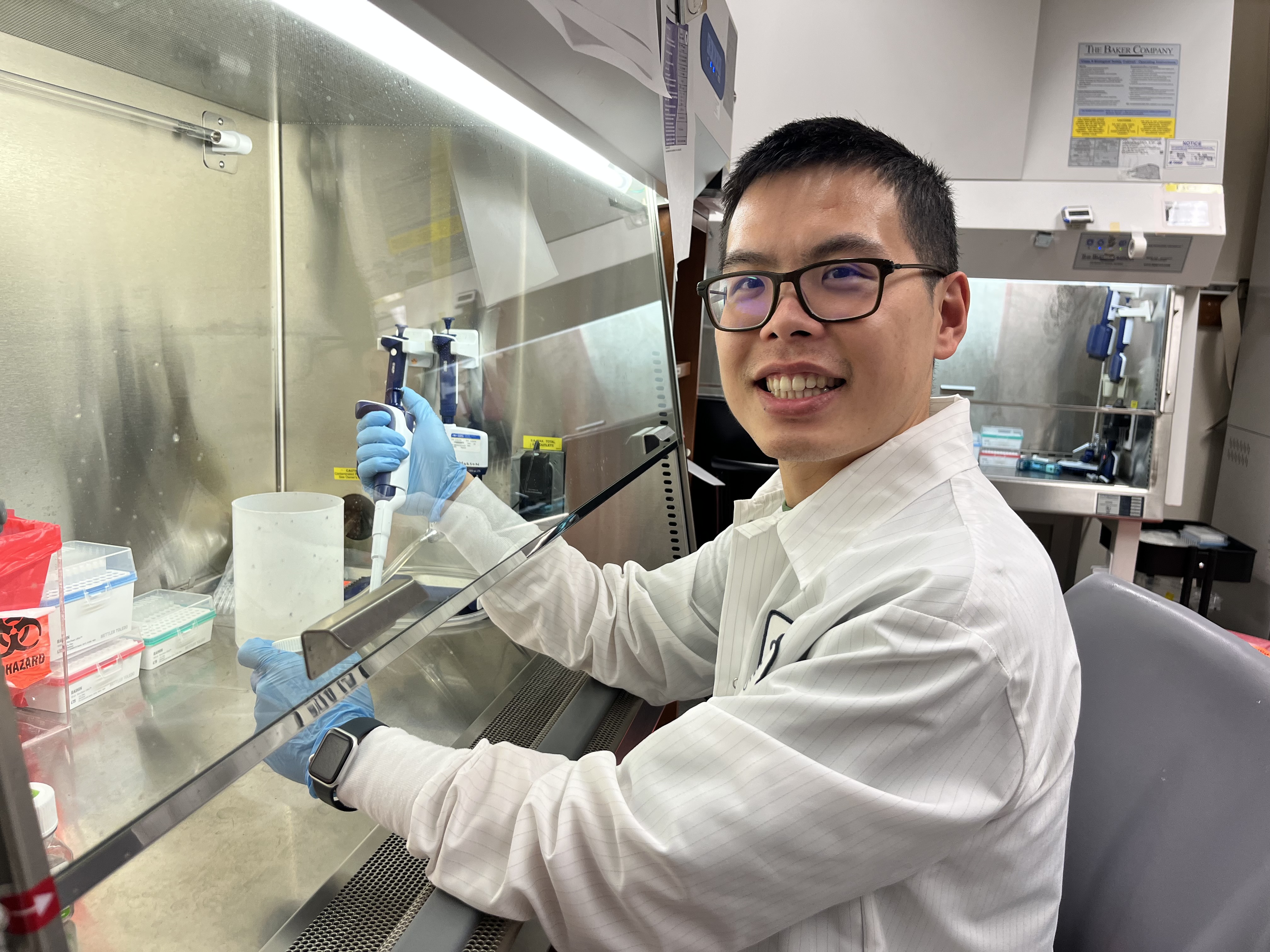
Our immune system can help us prevent or slow cancer development. Human CD4+ T cells play critical roles in regulating our immune responses to fight cancer. Upon encountering a pathogen, naïve CD4+ T cells differentiate into different T helper (Th) cells to perform diverse immune-modulatory functions. Variability in this differentiation process is associated with variable responses to cancer immunotherapy. While several genes necessary for differentiation have been identified, researchers lack a comprehensive map and a predictive model of the larger gene regulatory network (GRN) controlling this process. Dr. Zhu [Connie and Bob Lurie Fellow] plans to combine functional genomics with mathematical modeling to systematically map and model the human CD4+ T cell differentiation GRN and use the GRN model to predict and control the differentiation process. His work promises to provide a quantitative understanding of the CD4+ T cell differentiation process and open up new strategies for safer and more effective cell-based cancer therapy. Dr. Zhu received his PhD from the California Institute of Technology, Pasadena and his BS from Hong Kong University of Science and Technology, Hong Kong.
Wei (Will) Chen, PhD
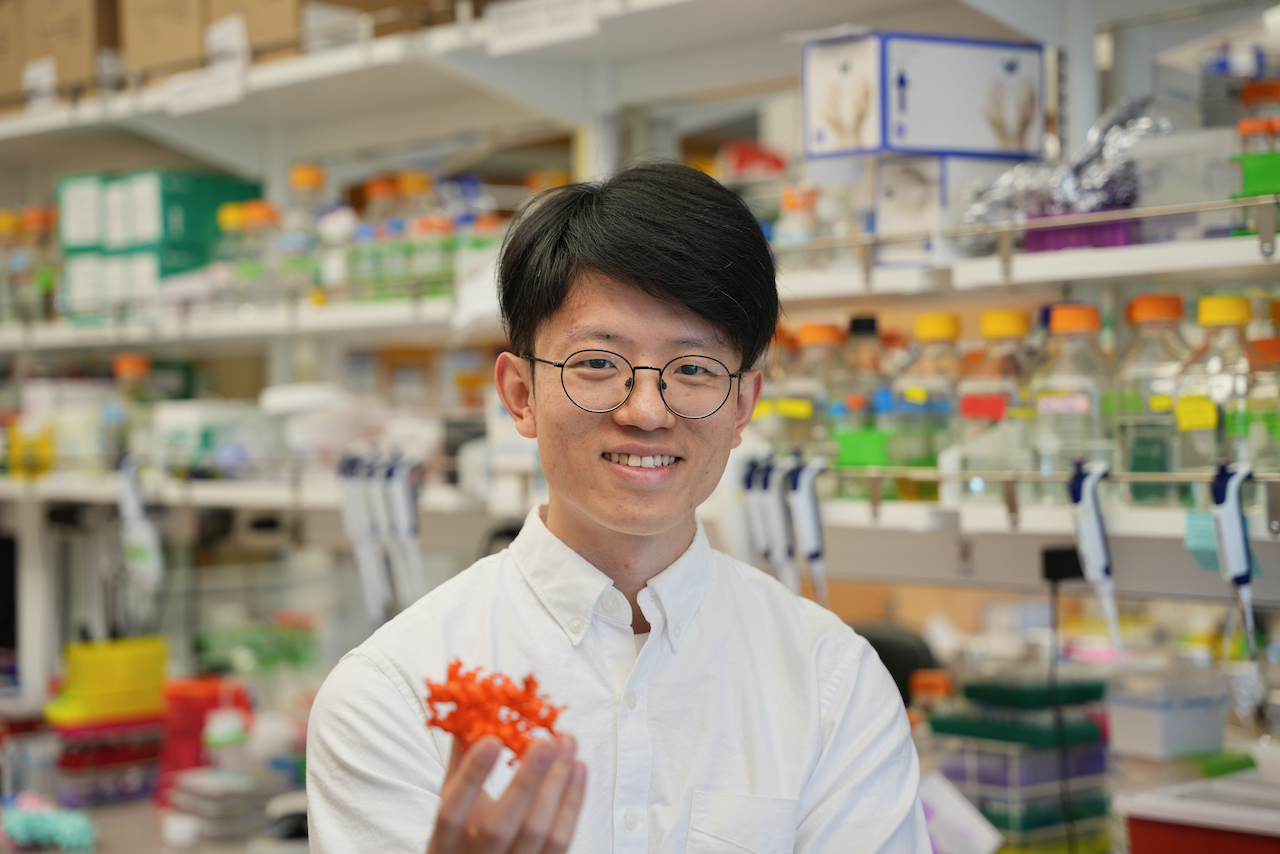
For gene activation, transcription factors (TFs) must bind to enhancers, often with multiple TFs binding at the same site, and recruit other proteins known as cofactors and polymerases. The interactions between TFs and cofactors are usually nonspecific, meaning the cofactors are interchangeable, which limits our understanding of precise gene activation. Dr. Chen will design new proteins that bind the cofactors with high specificity to clarify the contribution of each cofactor. This research will not only provide new insights into the mechanism of gene regulation but also provide new platforms to modulate gene expression with high precision. Dr. Chen received his PhD from the University of Washington, Seattle, his MS from Cornell University, Ithaca and his BS from Shandong University, Jinan.
Juner Zhang, PhD

In cells, DNA wraps around a protein complex consisting of proteins called histones. Chemical modifications to histones can affect gene expression, which is key to activating or suppressing cancer progression. Histone monoaminylation, in which an amine (e.g., serotonin, dopamine, or histamine) attaches itself to a histone, is a newfound type of epigenetic modification whose role remains elusive in these processes. Dr. Zhang is using chemical biology tools to study the functions of these modifications as well as their effects on other adjacent, pre-existing cancer-associated modifications. This research may establish a foundation for how this epigenetic modification regulates gene expression and offer insight into the role of amines in the progression of cancer and human neurodegenerative disorders. Dr. Zhang received his PhD from the California Institute of Technology, Pasadena and his BS from Tsinghua University, Beijing.
Gabriel Cavin-Meza, PhD
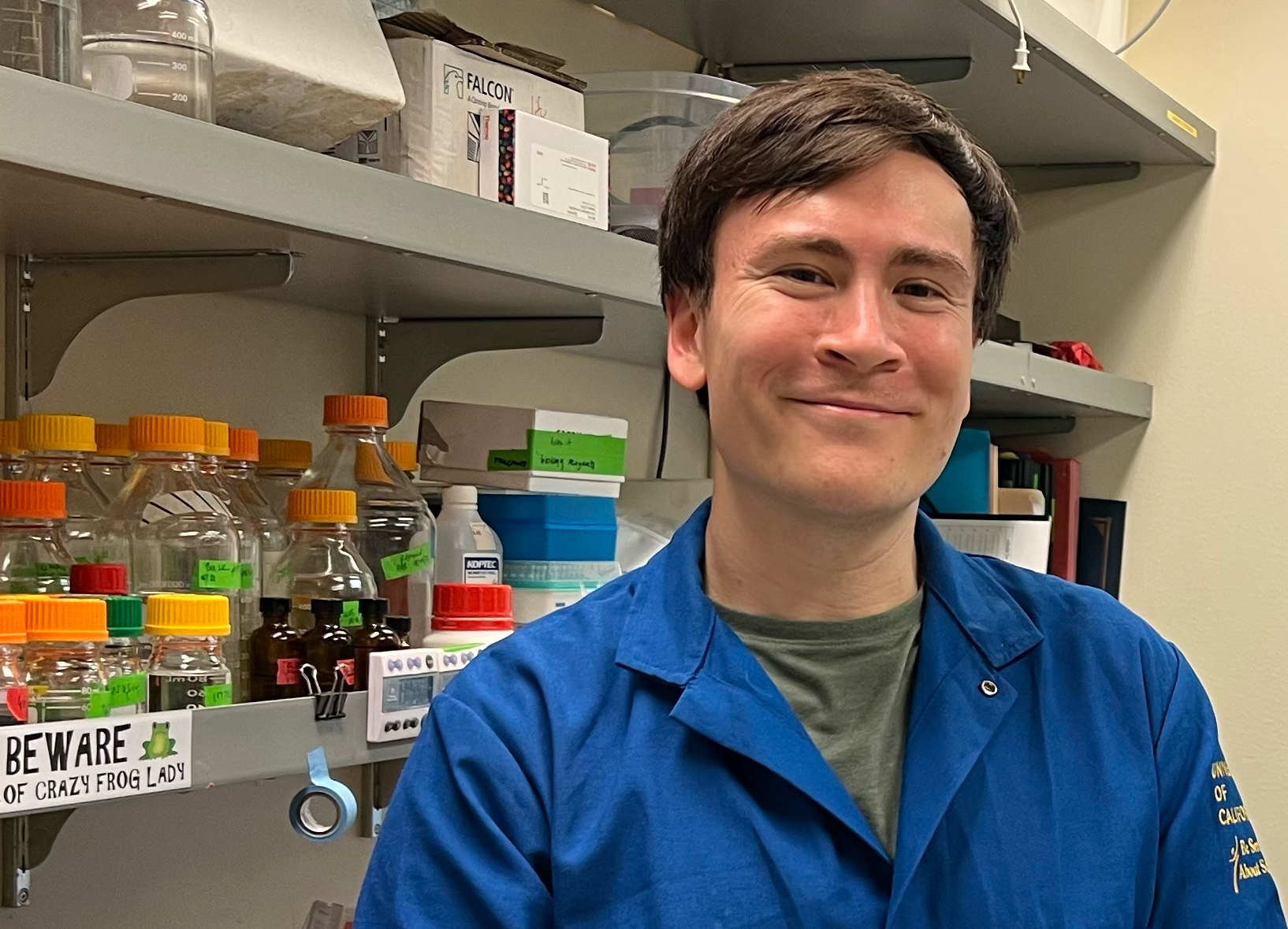
Proper cell division, including equal partitioning of DNA into two “daughter” cells, is critical for cell viability. However, many cancers continue to divide despite having atypical numbers of chromosomes and can even contain additional copies of the entire genome (polyploidy). Understanding how large increases in chromosome number affect cell division machinery has been limited by the methods used to generate polyploid cells. Serendipitously, stable polyploidy has arisen in multiple organisms, such as plants, fish, and amphibians. By utilizing the natural polyploidy found in Xenopus clawed frogs (ranging from two copies to twelve copies of the genome), Dr. Cavin-Meza [Merck Fellow] will explore the mechanisms that lead to increased but stable genome size. He will also analyze the proteome across Xenopus species to reveal how proteins have adapted to promote stable polyploidy over time, giving valuable insight into how stable polyploidy could arise in cancers. Dr. Cavin-Meza received his PhD from Northwestern University, Evanston and received his BS from the University of California, San Diego.
Nicole M. Hoitsma, PhD
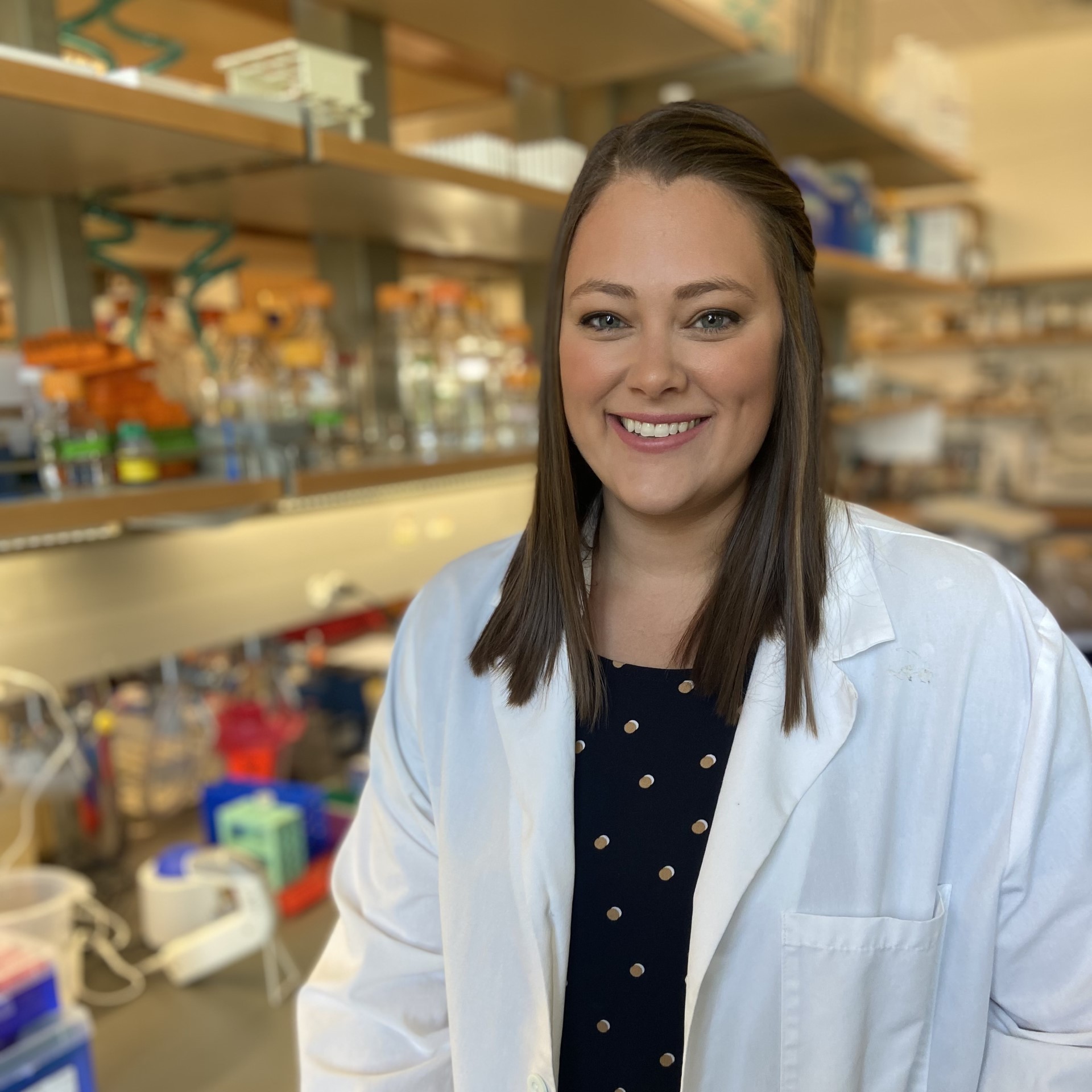
Human cells have complex mechanisms to repair DNA damage, such as that caused by exposure to sunlight or chemical substances. If DNA is not properly repaired, however, it can lead to cancer. In fact, faulty DNA repair has been associated with the initiation and progression of all types of cancer and is often targeted in cancer treatment to stop uncontrolled cell growth. A better understanding of how cells naturally defend against DNA damage will allow for the development of better drugs to treat cancer. Dr. Hoitsma [HHMI Fellow] aims to investigate specialized proteins, known as chromatin remodelers, that make damaged DNA accessible for repair. This research will provide insight for the development of novel therapeutic strategies to target these critical pathways. Dr. Hoitsma received her PhD from University of Kansas Medical Center, Kansas City and her BS from South Dakota State University, Brookings.
Nina Weichert-Leahey, MD
Neuroblastoma is a rare pediatric cancer that typically arises in the adrenal glands, located above the kidney. Children with high-risk neuroblastoma often have poor prognoses despite intense treatment-including maintenance treatment with retinoic acid-underscoring the need for new treatments to improve long-term outcomes. Retinoic acid, which is orally available and generally well tolerated, helps neuroblastoma cells mature (differentiate) into normal cells; however, this process is entirely reversible once the retinoic acid is withdrawn. If this differentiating effect could be made permanent with the addition of a second drug, a combination treatment with retinoic acid could become a novel method of preventing patient relapse. After testing a panel of 452 small molecule drugs, Dr. Weichert-Leahey discovered that a drug called PF-9363 accentuated the effects of retinoic acid in neuroblastoma the most. She will now study how PF-9363 functions, alone and together with retinoic acid, both in cells and patient-derived neuroblastoma models in mice. These experiments will indicate whether combinations of this new compound with retinoic acid may improve outcomes for children with high-risk neuroblastoma.
McLane Watson, PhD
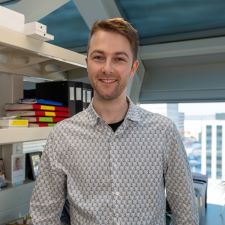
Cancer immunotherapy has revolutionized the way we treat cancer; however, it is only successful in a small subset of patients. Optimally functioning CD8 T cells, the specialized killers of the immune system, are key to the success of cancer immunotherapies. While CD8 T cell function is highly influenced by their metabolism, little is understood about how metabolism changes the function of these cells. Dr. Watson hypothesizes that metabolism affects CD8 T cell function by altering how tightly its DNA is packaged (its epigenetics), leading to altered gene expression. Using a mouse model of adoptive T cell therapy, a widely used immunotherapy in humans, and epigenetic techniques, Dr. Watson proposes to uncover how metabolism influences CD8 T cell epigenetic landscapes to control their function. He plans to apply these findings to improve T cell function and enhance tumor clearance. Dr. Watson received his PhD from the University of Pittsburgh, Pittsburgh and his BS from Hope College, Holland, Michigan.
CONNECT
1.877.7CANCER
info@damonrunyon.org
One Exchange Plaza
55 Broadway, Suite 302
New York, NY 10006


