

Nicole M. Hoitsma, PhD
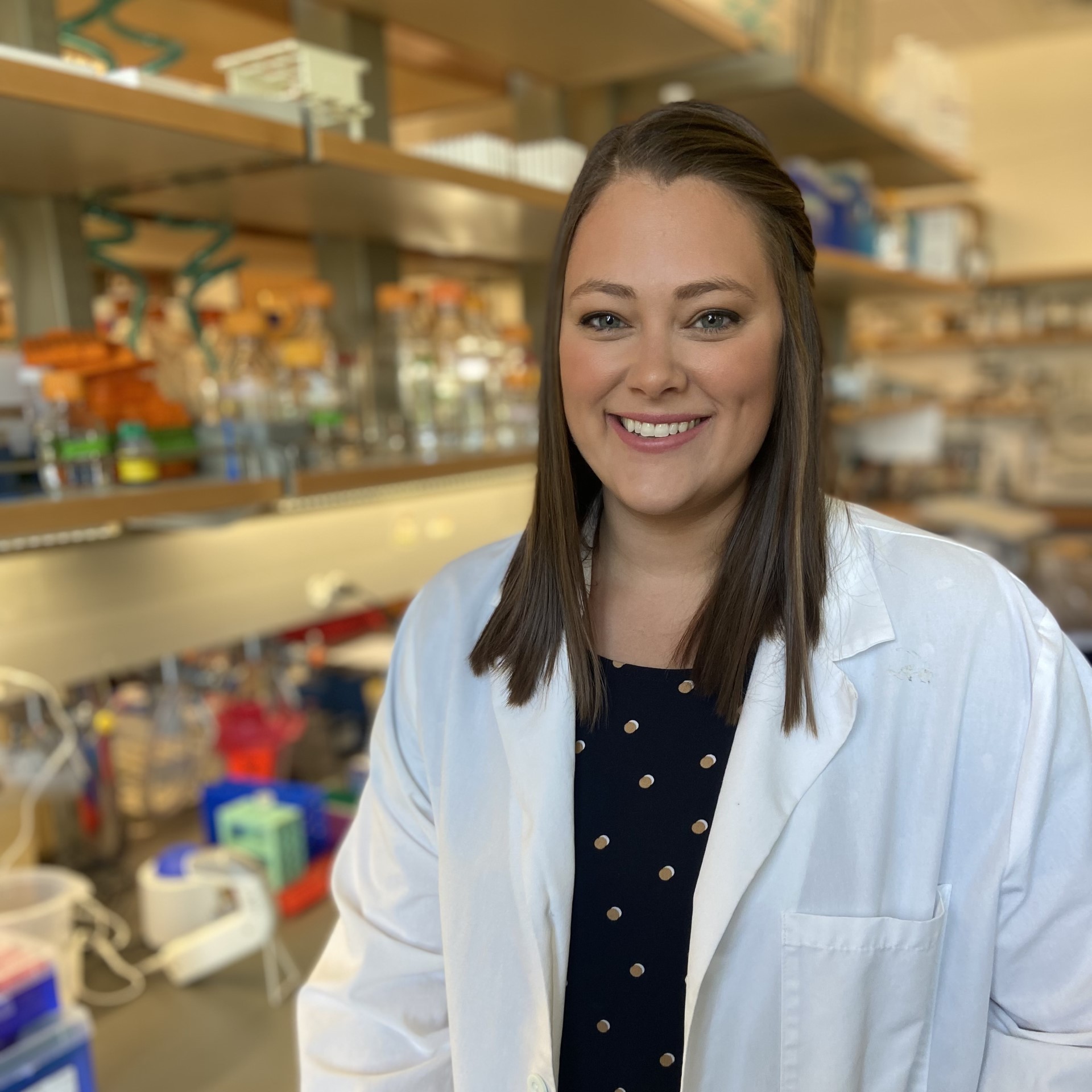
Human cells have complex mechanisms to repair DNA damage, such as that caused by exposure to sunlight or chemical substances. If DNA is not properly repaired, however, it can lead to cancer. In fact, faulty DNA repair has been associated with the initiation and progression of all types of cancer and is often targeted in cancer treatment to stop uncontrolled cell growth. A better understanding of how cells naturally defend against DNA damage will allow for the development of better drugs to treat cancer. Dr. Hoitsma [HHMI Fellow] aims to investigate specialized proteins, known as chromatin remodelers, that make damaged DNA accessible for repair. This research will provide insight for the development of novel therapeutic strategies to target these critical pathways. Dr. Hoitsma received her PhD from University of Kansas Medical Center, Kansas City and her BS from South Dakota State University, Brookings.
Nina Weichert-Leahey, MD
Neuroblastoma is a rare pediatric cancer that typically arises in the adrenal glands, located above the kidney. Children with high-risk neuroblastoma often have poor prognoses despite intense treatment-including maintenance treatment with retinoic acid-underscoring the need for new treatments to improve long-term outcomes. Retinoic acid, which is orally available and generally well tolerated, helps neuroblastoma cells mature (differentiate) into normal cells; however, this process is entirely reversible once the retinoic acid is withdrawn. If this differentiating effect could be made permanent with the addition of a second drug, a combination treatment with retinoic acid could become a novel method of preventing patient relapse. After testing a panel of 452 small molecule drugs, Dr. Weichert-Leahey discovered that a drug called PF-9363 accentuated the effects of retinoic acid in neuroblastoma the most. She will now study how PF-9363 functions, alone and together with retinoic acid, both in cells and patient-derived neuroblastoma models in mice. These experiments will indicate whether combinations of this new compound with retinoic acid may improve outcomes for children with high-risk neuroblastoma.
McLane Watson, PhD
Cancer immunotherapy has revolutionized the way we treat cancer; however, it is only successful in a small subset of patients. Optimally functioning CD8 T cells, the specialized killers of the immune system, are key to the success of cancer immunotherapies. While CD8 T cell function is highly influenced by their metabolism, little is understood about how metabolism changes the function of these cells. Dr. Watson hypothesizes that metabolism affects CD8 T cell function by altering how tightly its DNA is packaged (its epigenetics), leading to altered gene expression. Using a mouse model of adoptive T cell therapy, a widely used immunotherapy in humans, and epigenetic techniques, Dr. Watson proposes to uncover how metabolism influences CD8 T cell epigenetic landscapes to control their function. He plans to apply these findings to improve T cell function and enhance tumor clearance. Dr. Watson received his PhD from the University of Pittsburgh, Pittsburgh and his BS from Hope College, Holland, Michigan.
Marie R. Siwicki, PhD
Neutrophils are important anti-microbial cells within the innate immune system. Recently, it has been shown that neutrophils can perform diverse functions, taking on both pro-inflammatory and pro-healing roles in response to tissue injury or insult. Dr. Siwicki's [Dale F. and Betty Ann Frey Fellow] goal is to understand how different neutrophil subtypes or states function to balance inflammatory versus regenerative processes, ultimately influencing tissue health and cancer. This work has the potential to uncover the basis of neutrophils' pro-tumor versus anti-tumor functions and could open the door to therapeutic targeting of specific neutrophil behaviors in order to improve clinical outcomes in cancer. Dr. Siwicki received her PhD from Harvard Medical School, Boston and ScB from Brown University, Providence.
Mingjian Du, PhD
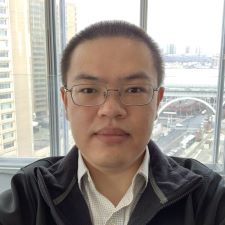
Global increases in metabolic syndrome, obesity, and diabetes are likely related to the overconsumption of hyper-palatable, cheap, ultra-processed food containing high amounts of added sugar and fat. Intriguingly, the vagus nerve has been discovered as the key conduit relaying information about sugar or fat ingestion from the gut to the brain, where a preference for sugar or fat is then developed and reinforced. Dr. Du [Meghan E. Raveis Fellow] aims to understand how the neurons are organized in the gut-brain vagal axis to sense sugar and fat, and to identify and characterize the neural circuits downstream of the gut-brain vagal axis that produce an insatiable appetite for sugar and fat. Understanding the basic biology of the gut-brain axis can provide important insights and strategies to help combat overconsumption of highly processed foods rich in sugar and fat, which may contribute to lowering the risk of metabolic diseases and cancer. Dr. Du received his PhD from The University of Texas Southwestern Medical Center, Dallas and his BS from the Tsinghua University, Beijing.
Christopher Noetzel, PhD
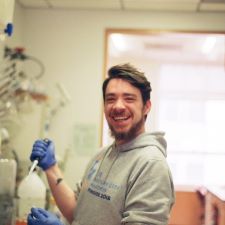
As different tissues in the body form, cells need to undergo a complex, precisely timed series of differentiation programs to form specialized cell types. Importantly, premature or delayed initiation of these programs can contribute to cancer formation. However, how timing of cellular differentiation is encoded on a molecular level is poorly understood. Dr. Noetzel [Merck Fellow] is using the protozoan parasite Cryptosporidium parvum as a simplified model of eukaryotic differentiation. After infecting the intestinal lining of a mammalian host, these single-celled parasites undergo exactly three rounds of asexual replication before collectively differentiating into gametes. These studies will investigate how this hard-wired, intrinsic developmental timer is encoded. In his project, Dr. Noetzel aims to understand how these parasites "count to three," which will inform our basic understanding of how eukaryotic cells keep track of time during development. Dr. Noetzel received his PhD from the Weill Cornell Medical College, Cornell University, New York and his MSc and BSc from Georg-August-University, Göttingen.
Archana Krishnamoorthy, PhD
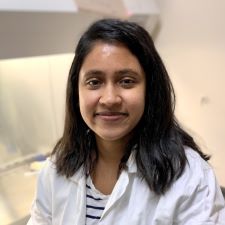
Cancer initiation and progression stems from cell division errors that promote chromosome breakage and accumulation of mutations. Dr. Krishnamoorthy [Meghan E. Raveis Fellow] will use cutting-edge, cross-disciplinary approaches to provide insights into the fundamental question of how cell division shapes the cancer genome. Understanding the mechanisms of cancer genome complexity will help identify better diagnostics and treatments for cancers linked with high levels of genome alterations. Dr. Krishnamoorthy received her PhD from Vanderbilt University, Nashville and her MS from Middle Tennessee State University, Murfreesboro and her BS from PES Institute of Technology, Bangalore.
Joshua B. Sheetz, PhD
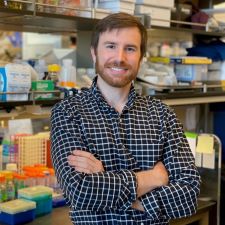
Cancer cells adapt their metabolism to achieve rapid growth and proliferation. Much of their metabolic malleability hinges on mitochondria, subcellular hubs for energy transformation and biosynthesis. As a key means to control mitochondrial composition and meet metabolic demands, cells mark mitochondrial proteins for degradation by a process called ubiquitylation. How both cancerous and healthy cells direct and monitor mitochondrial ubiquitylation remains poorly understood. Dr. Sheetz [HHMI Fellow] aims to dissect the cellular machinery that performs mitochondrial ubiquitylation and determine how this process promotes metabolic adaptability in cancer cells. A major translational goal is to identify approaches for tuning the levels of mitochondrial ubiquitylation in tumors and in metabolic disorders that put patients at risk for cancer. Dr. Sheetz received his PhD from Yale University, New Haven and his BS from the University of North Carolina, Chapel Hill.
Ryan Y. Muller, PhD
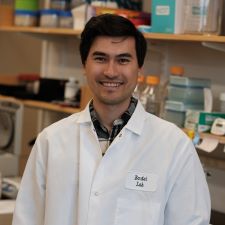
The PABPC1 protein has diverse roles in gene expression control that span functions in mRNA stability, polyA tail length control, and translation regulation. PABPC1 gene amplifications are detected in roughly 4% of cancer samples, but it is unclear how PABPC1 fits into the picture of cancer progression. Dr. Muller [HHMI Fellow] studies the sequence preferences of PABPC1 protein to understand the mechanistic details that determine which transcripts are subject to PABPC1-mediated regulation. Connecting these sequence preferences to the mis-regulation caused by excess PABPC1 may provide a therapeutic handle for cancers that contain PABPC1 gene amplifications. Dr. Muller received his PhD from the University of California, Berkeley and his BS from Arizona State University, Tempe.
Hui (Vivian) Chiu, PhD
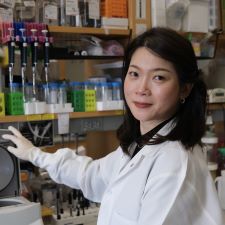
Fatigue is the most common symptom experienced by patients with cancer or undergoing cancer treatment. While chronic inflammation and hormonal imbalance have been suggested as possible causes, the roots of cancer-related fatigue remain unclear and thus we lack effective treatments. Dr. Chiu [HHMI Fellow] seeks to illuminate the physiological basis of fatigue using interdisciplinary approaches that combine the strengths of neuroscience, immunology, and computational biology. Through the lens of brain-body interactions, Dr. Chiu aims to identify key molecular and cellular components of fatigue with the goal of improving treatments for cancer and other severe diseases, such as long COVID. Dr. Chiu received her PhD from the California Institute of Technology, Pasadena and her MS and BS from the National Taiwan University, Taiwan.
CONNECT
1.877.7CANCER
info@damonrunyon.org
One Exchange Plaza
55 Broadway, Suite 302
New York, NY 10006


