

Christina A. Stephens, PhD
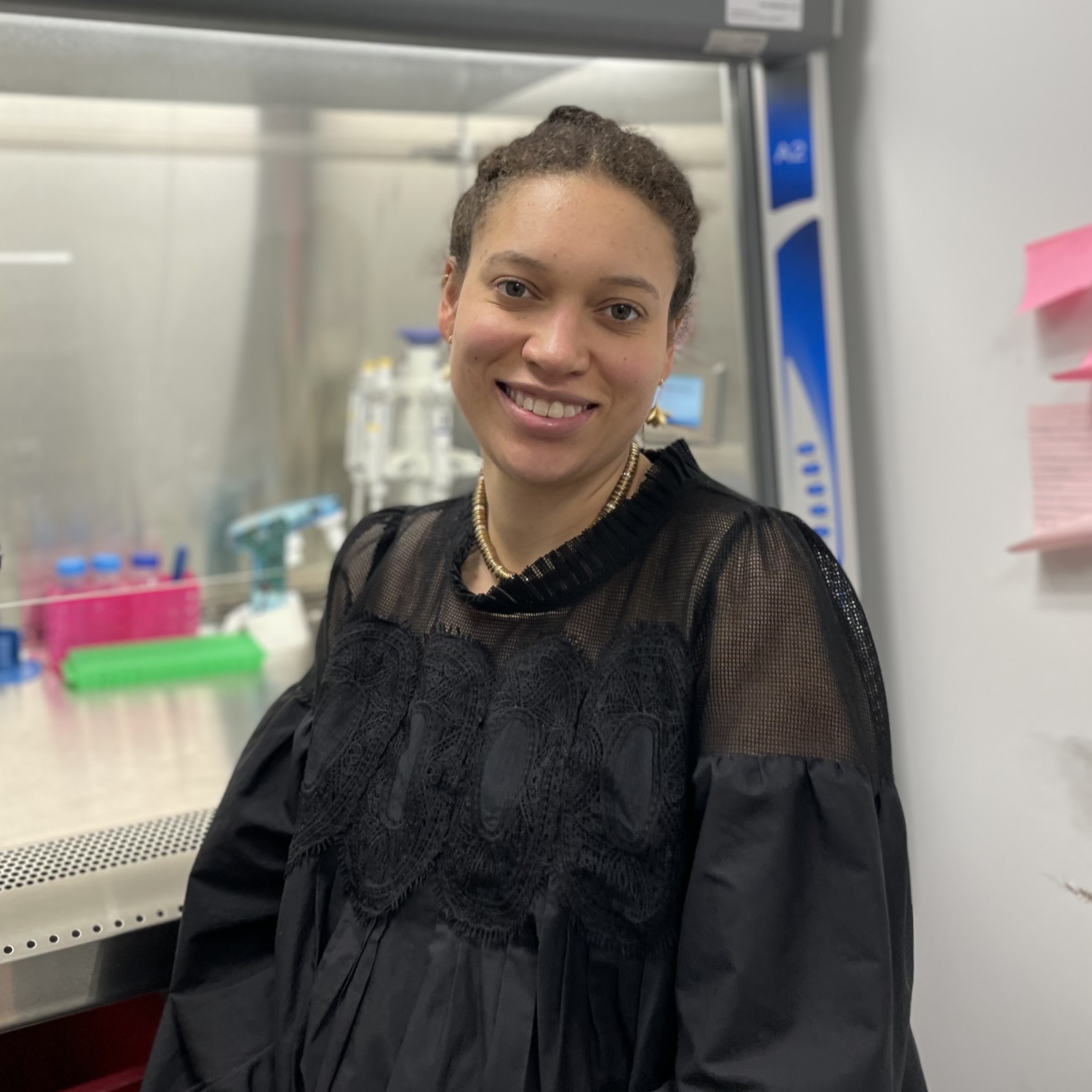
Solid tumors, like those commonly found in breast and lung cancers, are challenging to treat using state-of-the-art cell engineering techniques due to their heterogeneous surface proteins. There is thus a need to identify unique markers on tumor cells that can be used as molecular targets. Recently, a subclass of surface proteins known as aGPCRs has been recognized as potential markers and propagators of several cancers, but little is known about their molecular mechanism. Dr. Stephen’s research uses single-molecule microscopy coupled with molecular dynamics simulations to provide a detailed picture of the factors that control aGPCR activation. Dr. Stephens will ultimately use these assays to screen and optimize therapeutic targeting of aGPCRs implicated in cancer. Dr. Stephens received her PhD from the University of California, San Francisco, and her BS from the College of William and Mary, Williamsburg.
Gregory Goldgof, MD, PhD
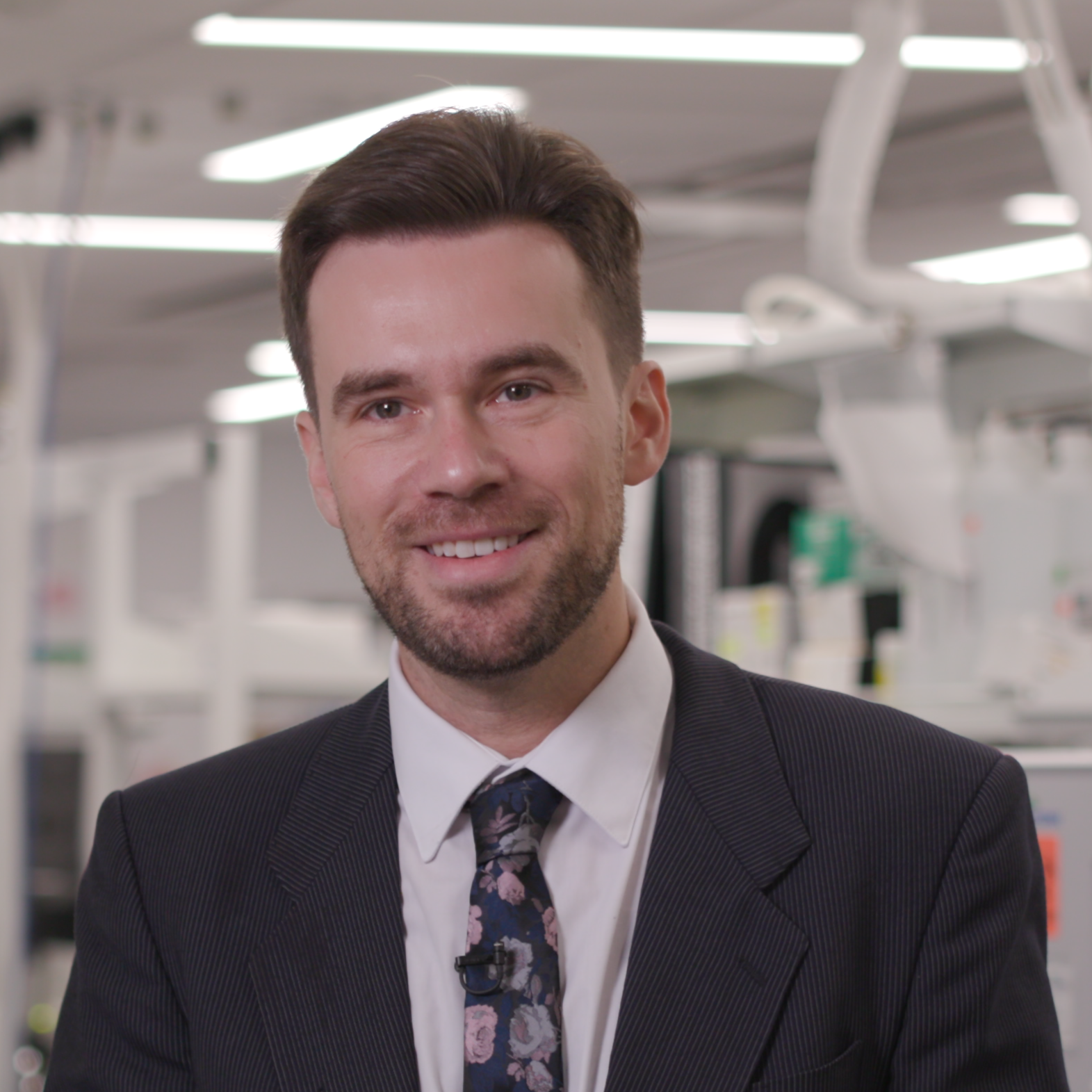
Myelodysplastic syndromes (MDS) are blood cancers that begin in the bone marrow, where blood cells are made. Over time, MDS can progress to acute myeloid leukemia, an aggressive and often life-threatening cancer. Diagnosing MDS and predicting how it will behave can be challenging because doctors must look for subtle abnormalities in blood and bone marrow cells under a microscope. Dr. Goldgof is developing artificial intelligence that can analyze these cells automatically and combine what it sees with a patient's genetic and clinical information. The goal is to help doctors detect disease earlier, better predict outcomes, and select the most effective treatment for each patient.
Sydney X. Lu, MD, PhD
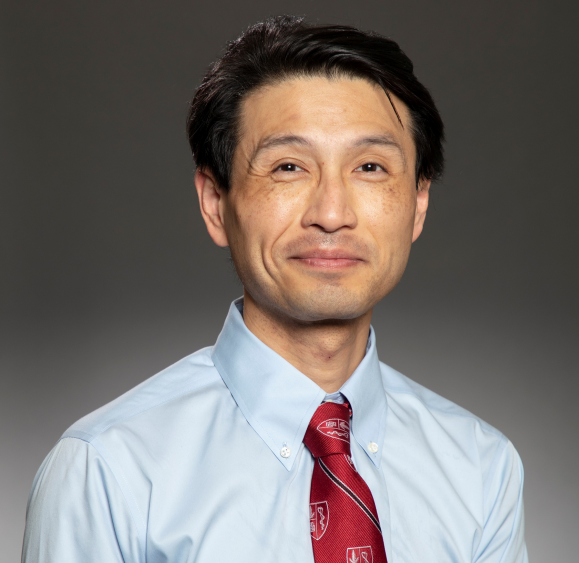
Dr. Lu studies mutations in a gene called SF3B1 that are commonly found in chronic lymphocytic leukemia (CLL), the most common form of adult leukemia. Patients whose leukemia carries SF3B1 mutations often have worse outcomes, but scientists do not fully understand why. This project aims to determine how mutations in SF3B1 change the behavior of leukemia cells to drive cancer growth and identify treatments that may selectively destroy leukemia cells carrying these mutations while minimizing harm to healthy cells. By improving understanding of how SF3B1 mutations contribute to CLL, this work may help guide the development of more effective and more precise therapies for patients.
Francesca Ferraro, MD, PhD
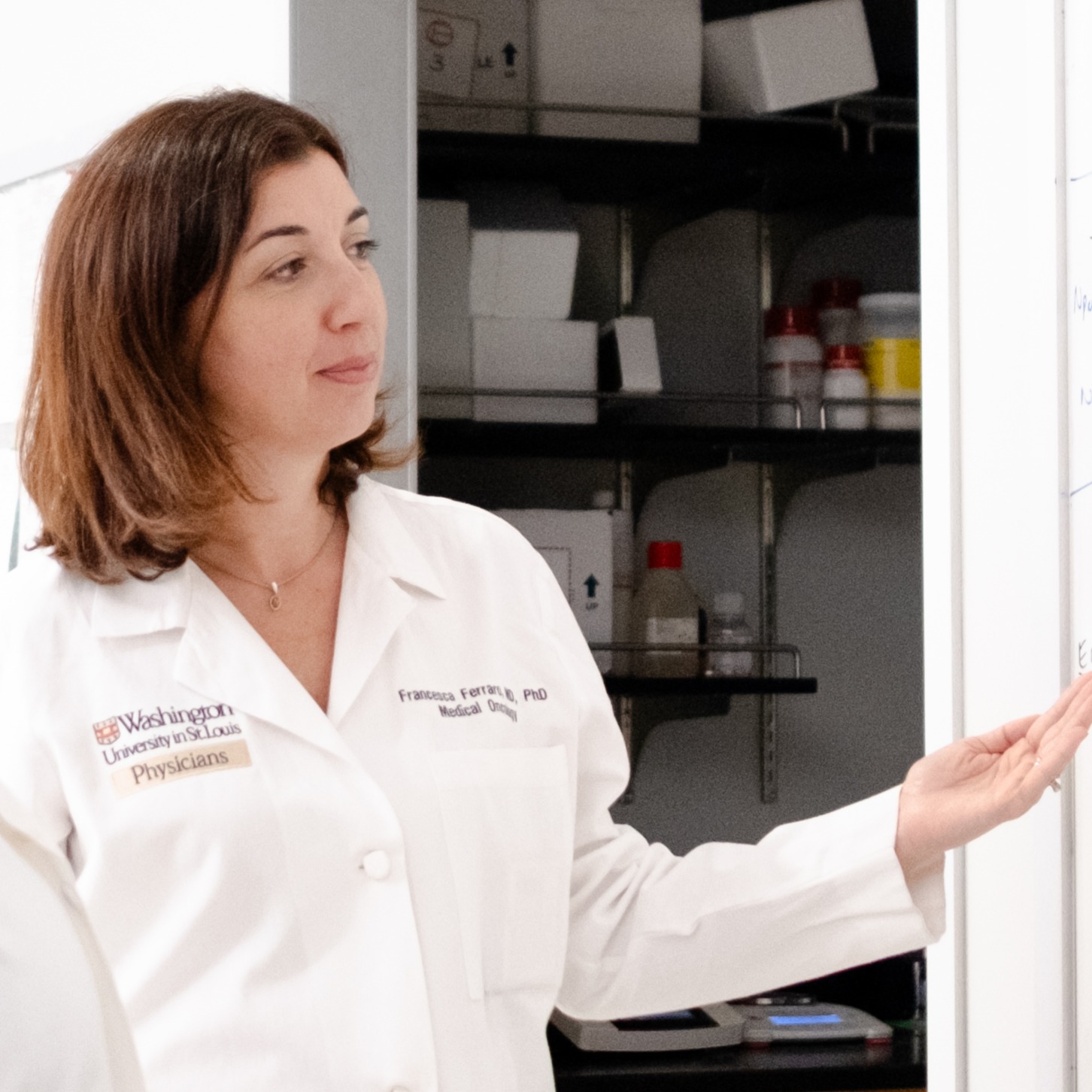
Acute myeloid leukemia (AML) is a deadly blood cancer that kills most patients within two years of diagnosis. Chemotherapy can put patients into remission, but the majority relapse because residual leukemia cells survive treatment. The immune system has the potential to eliminate these residual cells, but AML actively suppresses immune responses, preventing the body from finishing what chemotherapy started. Dr. Ferraro aims to understand how AML disables immune defenses and to develop strategies that restore them, so that the immune system and chemotherapy can work together to prevent relapse and improve survival. This work is directly relevant to AML and may ultimately inform treatment approaches for other blood cancers as well.
Lauren E. Merz, MD
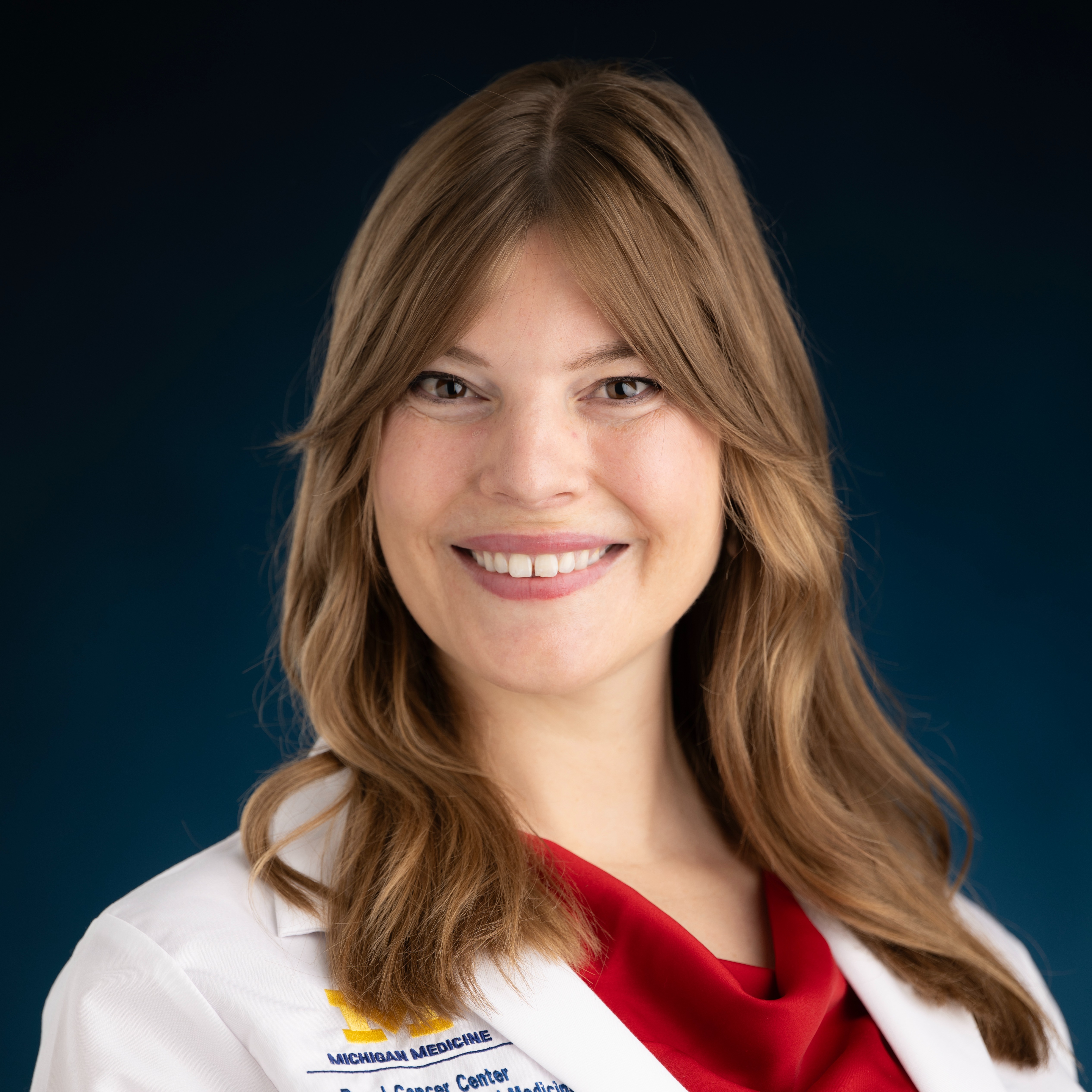
There are persistent racial disparities in cancer outcomes. One cause may be a common variant predominantly found in people identifying as Black or African American called the Duffy null phenotype, which results in lower absolute neutrophil counts (ANC), a measure of white blood cells known as neutrophils. The Duffy null phenotype does not increase risk for infection but is linked to higher risk of triple-negative breast cancer. Many cancer treatments are stopped or reduced if ANC falls below certain levels, resulting in worse outcomes. Dr. Merz’s work focuses on optimizing cancer screening, risk assessment, treatment selection, and treatment delivery by Duffy status. Dr. Merz uses data from clinical trials and observational cohorts to understand the relationship between ANC, infectious complications, treatment administration, and outcomes by Duffy status. She also plans to complete a clinical trial to assess the safety of lowering ANC thresholds for cancer therapy for people with the Duffy null phenotype. Dr. Merz hopes that this work reduces racial disparities in outcomes and personalizes cancer care.
Vivian Liu, MD
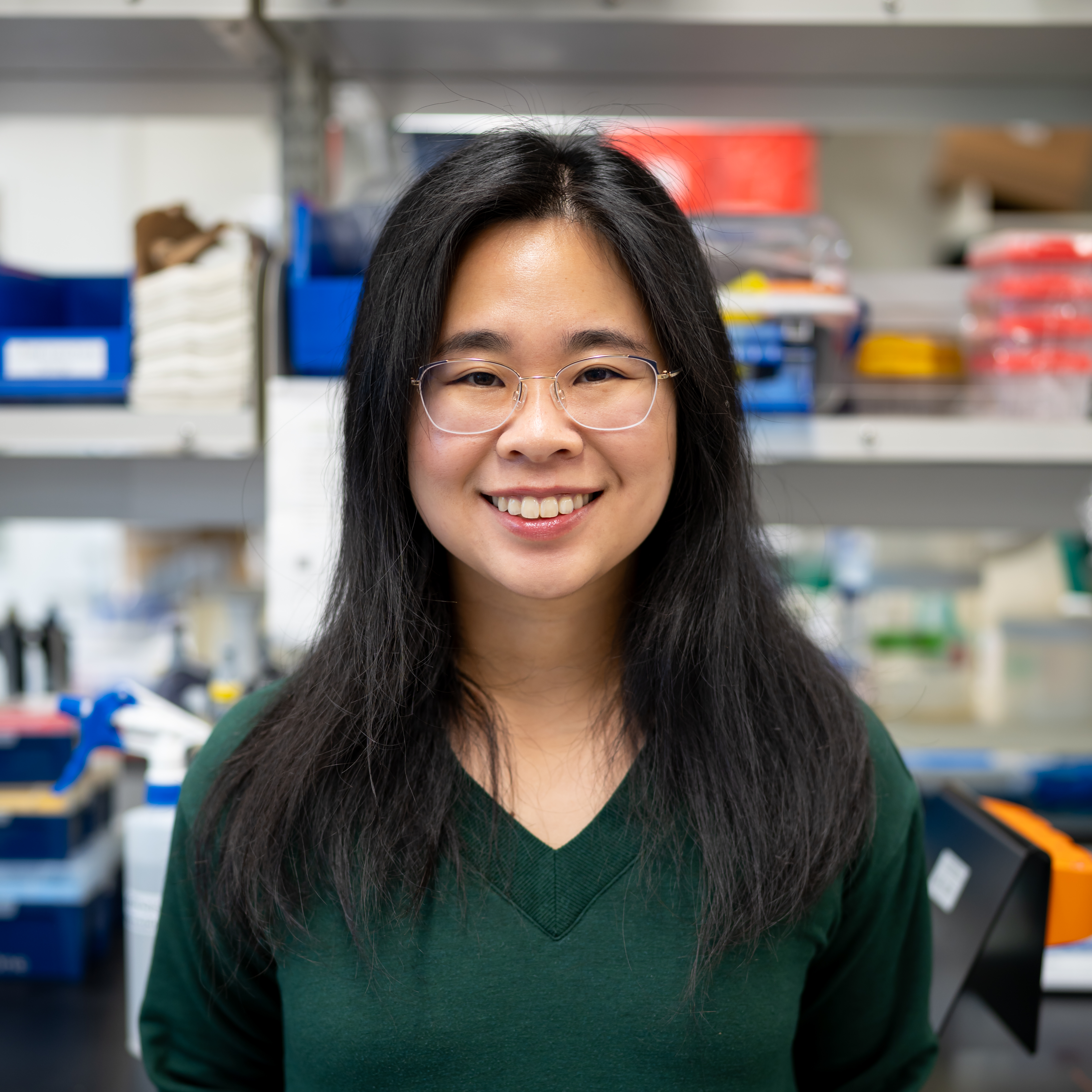
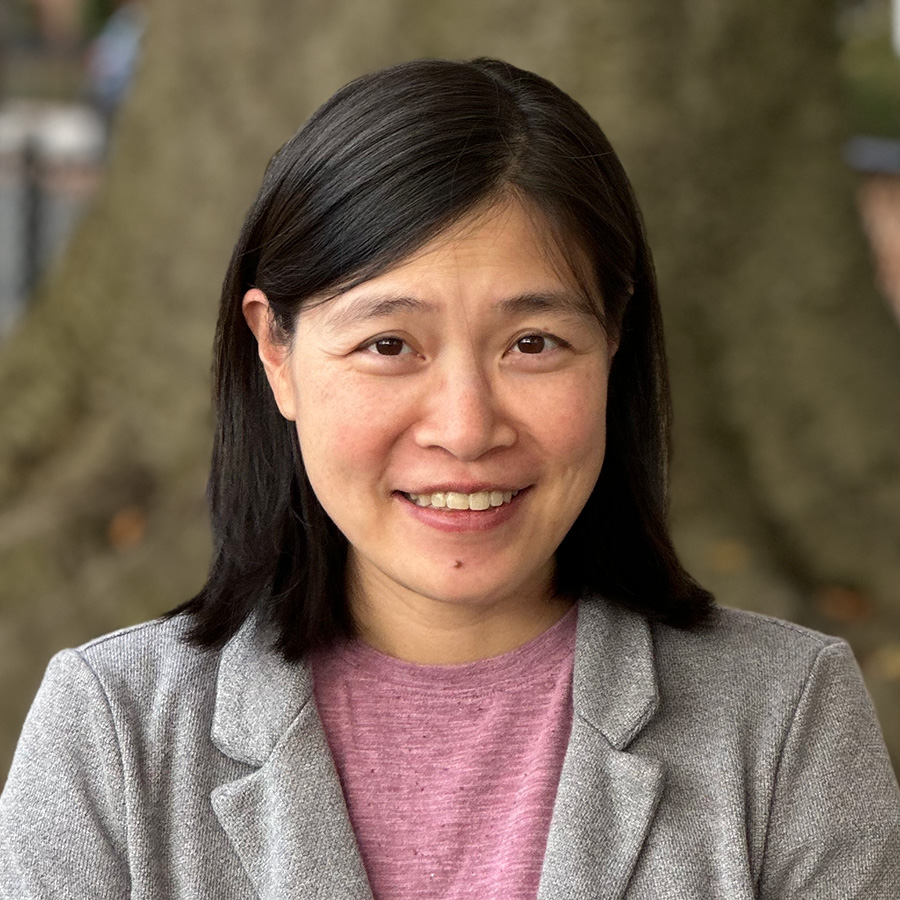
This project aims to better understand the biology of acute myeloid leukemia (AML), a blood cancer that affects white blood cells. The most common form of AML in adults involves a specific mutation in a gene known as NPM1. This mutation occurs in a consistent way and drives the growth of leukemia cells. Dr. Liu is investigating how this NPM1 mutation alters the behavior of leukemia cells and response to drug treatments, with the goal of developing new and more effective treatments for patients with this disease.
Amy Li, MD, PhD
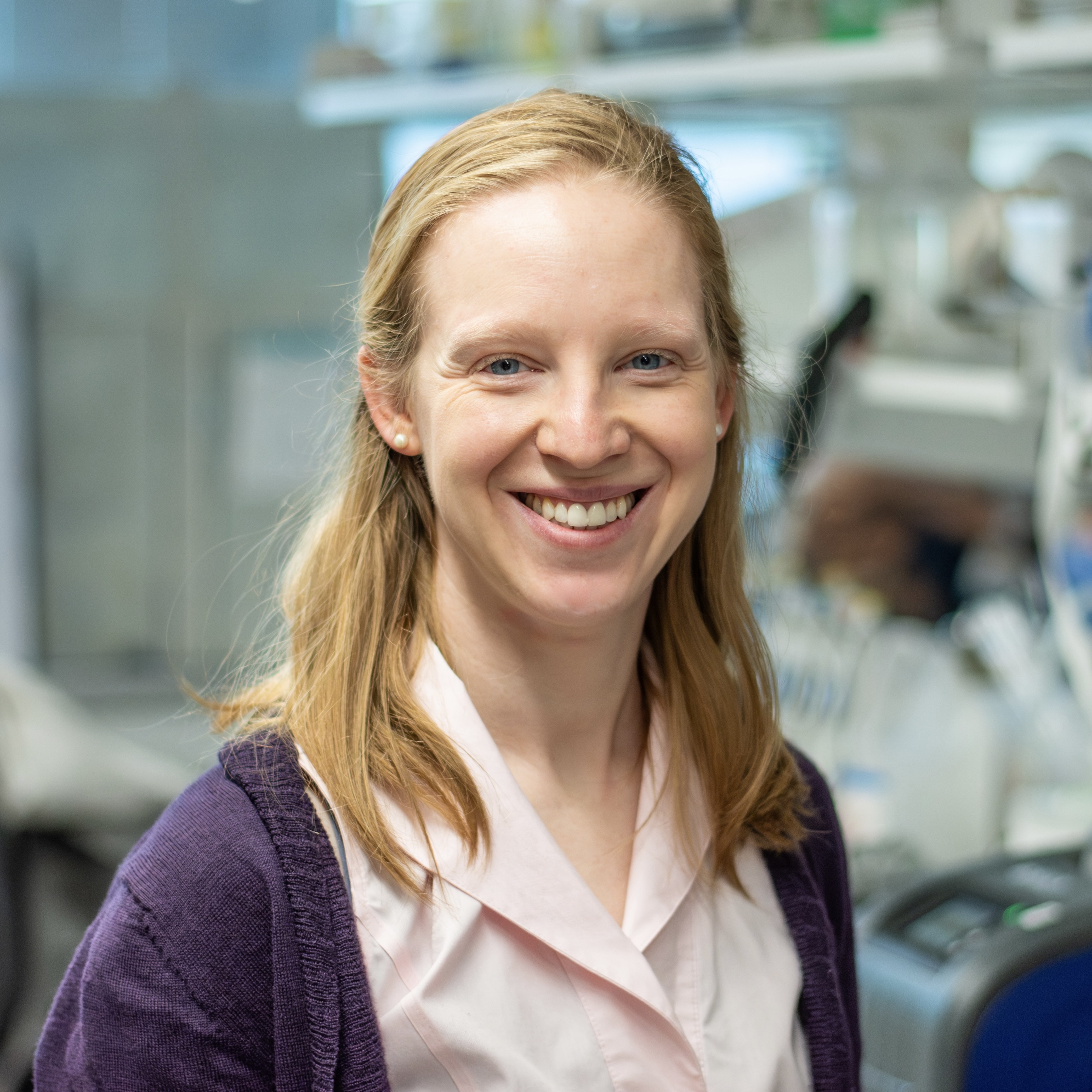
Although hematopoietic stem cell transplantation is the only curative treatment for some pediatric leukemia patients, chronic graft-versus-host disease (cGVHD) is a potentially life-threatening immune complication of stem cell transplantation. Li’s research aims to mitigate the effects of cGVHD by enhancing the activity of regulatory T cells (Tregs), which are immunosuppressive T lymphocytes. Specifically, she is studying the effect of a novel class of drugs called thalidomide analogs on Treg survival and function. Li will use genetic screens, cell culture and mouse models to elucidate the mechanisms by which thalidomide analogs alter Treg activity and to determine whether treatment with thalidomide analogs can mitigate cGVHD severity. She hopes that these studies will identify methods to strengthen Treg function and inform novel strategies to improve therapies for cGVHD. Li received her PhD from the Massachusetts Institute of Technology, her MD from Harvard Medical School, Boston, and her BA from Harvard University, Cambridge.
Emily K. Phillips, MD
Acute myeloid leukemia (AML) is a type of blood cancer that affects children and is treated with intense chemotherapy. Unfortunately, if this cancer recurs, it is difficult to treat with chemotherapy. More than half of children with recurrent AML die from the disease. Patients with recurrent AML are typically treated with immunotherapy, a type of treatment that leverages the body’s immune system to kill cancer. Phillips studies a type of natural killer cell called memory-like natural killer cells, which have an enhanced ability to kill AML. Her project aims to help memory-like natural killer cells better recognize AML cells by outfitting them with one of two receptors, chimeric antigen receptors or natural killer cell engagers, to target common markers on the surface of AML cells. She hopes one or both methods can be translated into a clinical trial to treat children with chemotherapy-resistant AML. Phillips received her MD from the Medical College of Wisconsin and her BS from the University of Wisconsin-Madison.
Carissa Chan, PhD
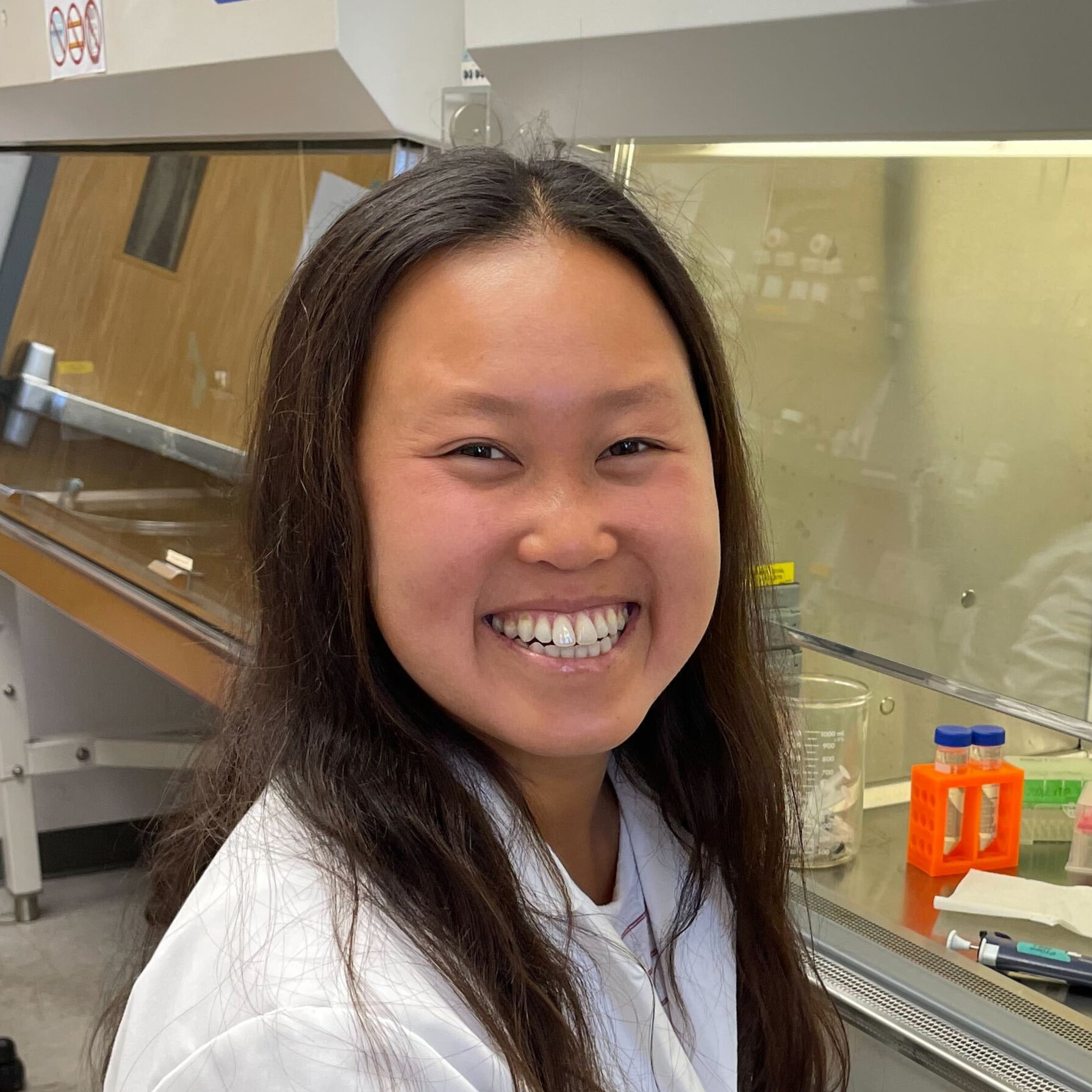
Microbial pathogens that enter and spread within host tissues cause disease. However, the intricate adaptations that enable pathogens to invade host cells also positions these organisms as an ideal tool for drug delivery and vaccination. While infection with virulent strains of the intracellular pathogen Listeria monocytogenes causes gastrointestinal symptoms and fever — and, in more severe cases, sepsis or meningitis — in recent years, attenuated strains of L. monocytogenes have been explored for use as an anti-cancer vaccine via generation of anti-tumor CD8 T cells and production of a tumor microenvironment that allows these anti-cancer immune cells to function. Abolishment of virulence is critical in strains used for vaccination, especially because cancer patients are often immunocompromised and highly susceptible to infection. Dr. Chan’s [Sijbrandij Foundation Fellow] research investigates the molecular mechanisms by which unusual translation factors help bacteria produce secreted toxins, spread amongst host cells, and defend themselves against killing by the host immune system. By discovering new genetic targets that can be inactivated to suppress virulence, Dr. Chan’s work identifies pathways that can directly be leveraged for development of microbial-based anticancer vaccines. Dr. Chan received her PhD from Yale University, New Haven, and her BS from the University of California, Los Angeles.
Annabelle J. Anandappa, MD
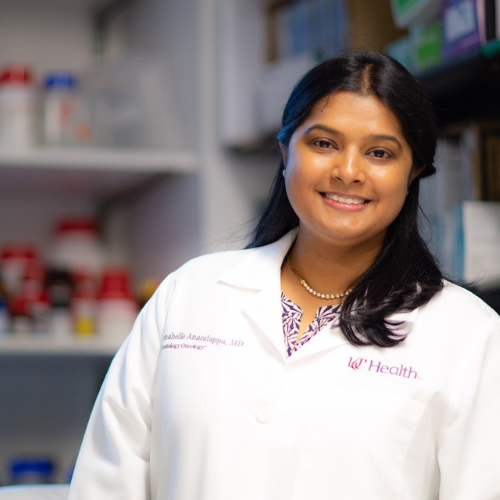
Acute myeloid leukemia (AML) is an aggressive blood cancer, diagnosed in about 20,000 people in the U.S. each year. New targeted therapies have greatly expanded treatment options, particularly for older adults who cannot tolerate chemotherapy, but despite these advances, most patients with AML will experience relapse. Research has identified that mutations in the RAS signaling pathway are associated with relapse after targeted therapies. Dr. Anandappa aims to establish a role for RAS inhibitors in treating AML and elucidate the role of inflammation in RAS-mutated AML. She will use CRISPR to study over 300 genes involved in inflammatory signaling and determine if blocking them will increase response to treatment with a RAS inhibitor. The outcomes of this project will ultimately guide the design of combination regimens for the treatment of RAS-mutated AML.
CONNECT
1.877.7CANCER
info@damonrunyon.org
One Exchange Plaza
55 Broadway, Suite 302
New York, NY 10006


