

Esther J. Han, PhD
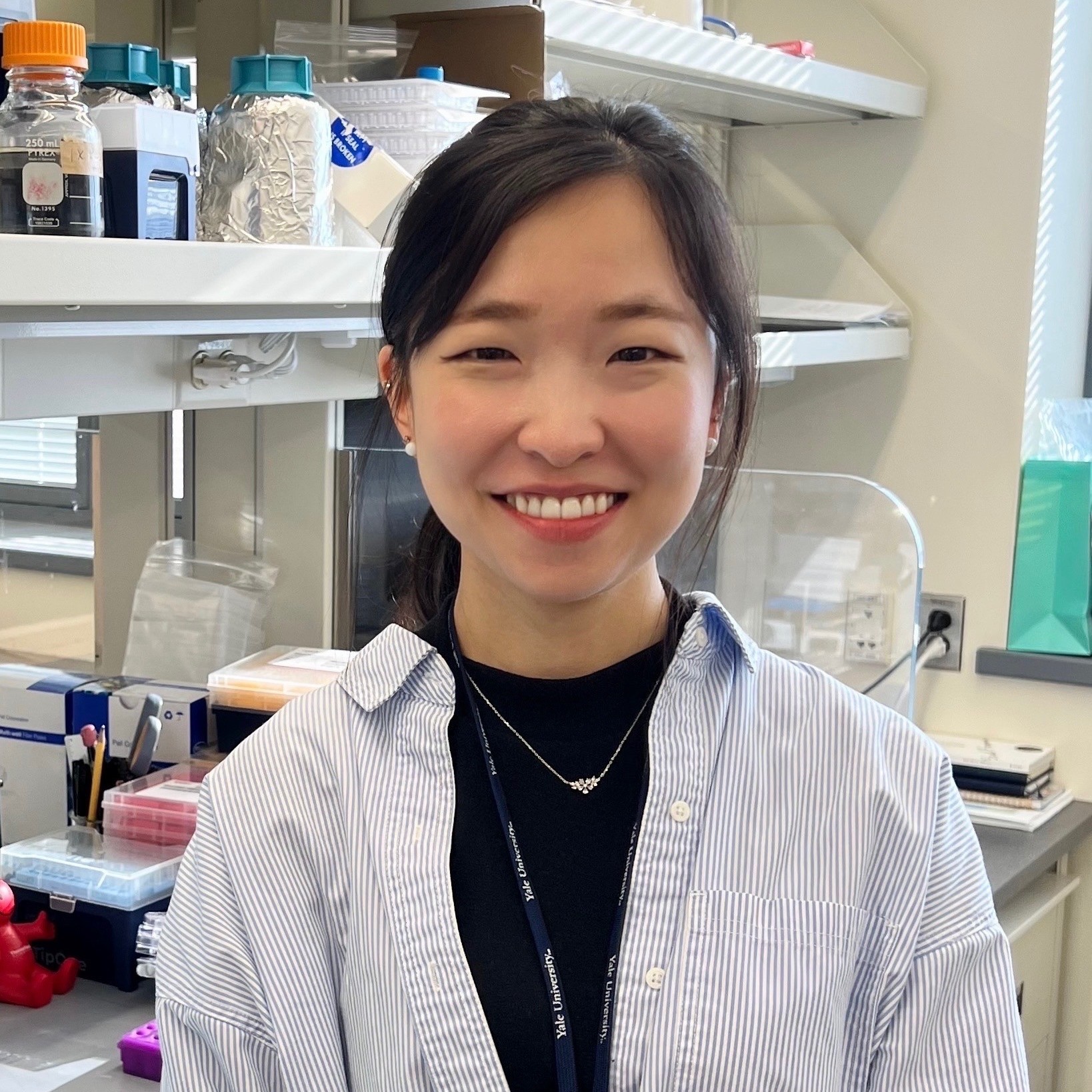
Our diets include myriad small molecules known as xenobiotics, which are mainly derived from plants, that influence cancer prevention and progression. When plants experience infection, they chemically modify these compounds to improve disease resistance, but whether parallel processes exist in mammals remains unknown. Given the strong association between inflammation and cancer development, and based on preliminary data indicating that inflammation-induced xenobiotic modifications can occur in the mammalian gut, Dr. Han will dissect how the gut microbiome and the host transform dietary xenobiotics to alter their function during health and inflammation. The findings from these studies will lay foundations to improve health through nutritional interventions. Dr. Han received her PhD from Princeton University, Princeton, and her BS from the University of California, Berkeley.
Ming M. Zheng, PhD
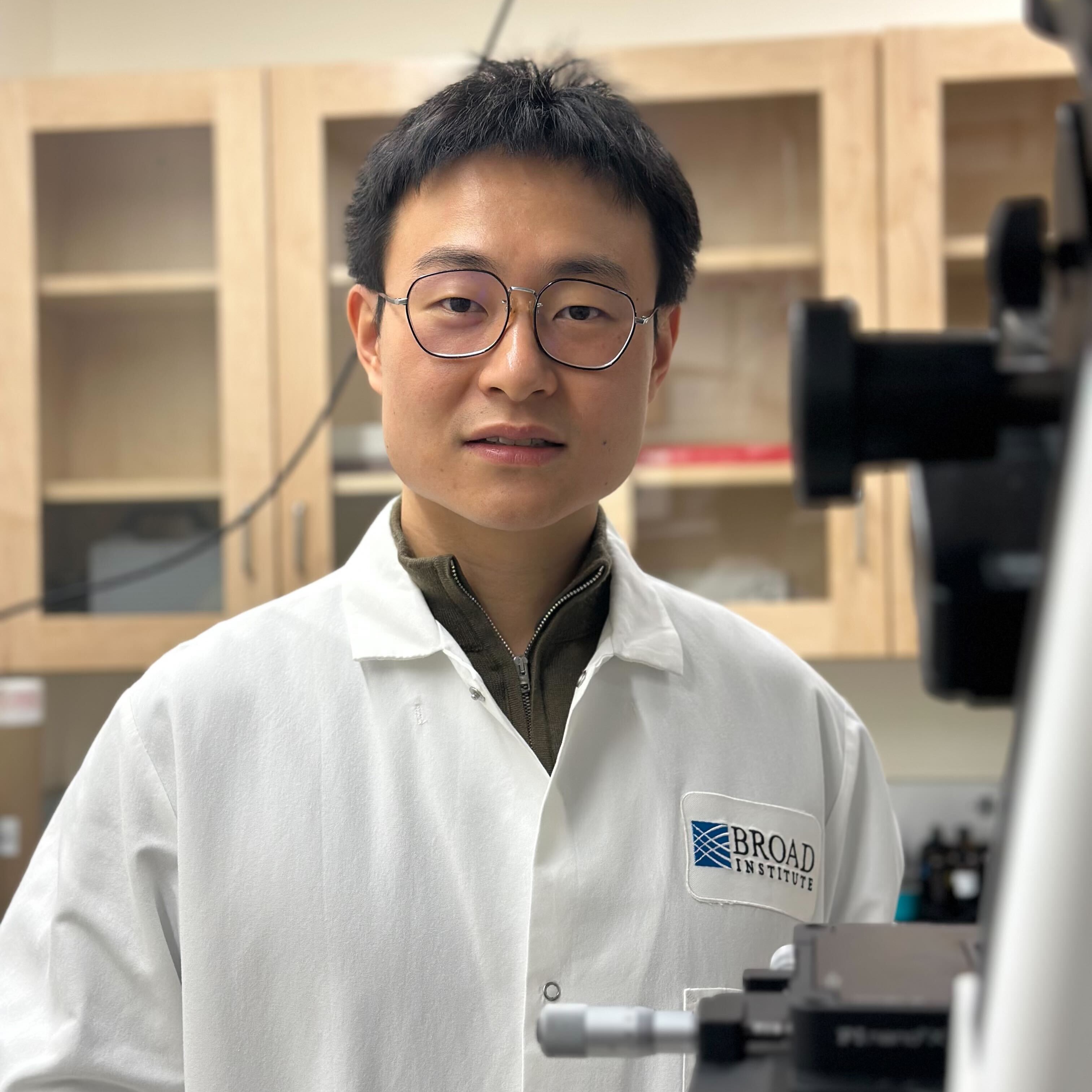
Many cancer treatments kill healthy cells along with cancer cells and tumors frequently adapt to treatment and build resistance. These challenges exist because the most important pathological cancer processes occur through complex interactions inside living cells, and the current models used to study cancer cannot fully mimic these complex living interactions. Dr. Zheng aims to combine large-scale genetic screening, advanced single-molecule imaging, and AI modeling to create detailed maps of how cancer-driving genes behave inside living human cells. These maps will show how networks of genes, as well as small DNA changes, alter the real-time behavior of powerful cancer drivers. This work will guide the development of treatments that cause less harm, stay effective longer, and act with far greater precision. Dr. Zheng received his PhD from Massachusetts Institute of Technology, Cambridge, and his BS from Peking University, Beijing.
Christian G. Peace, PhD
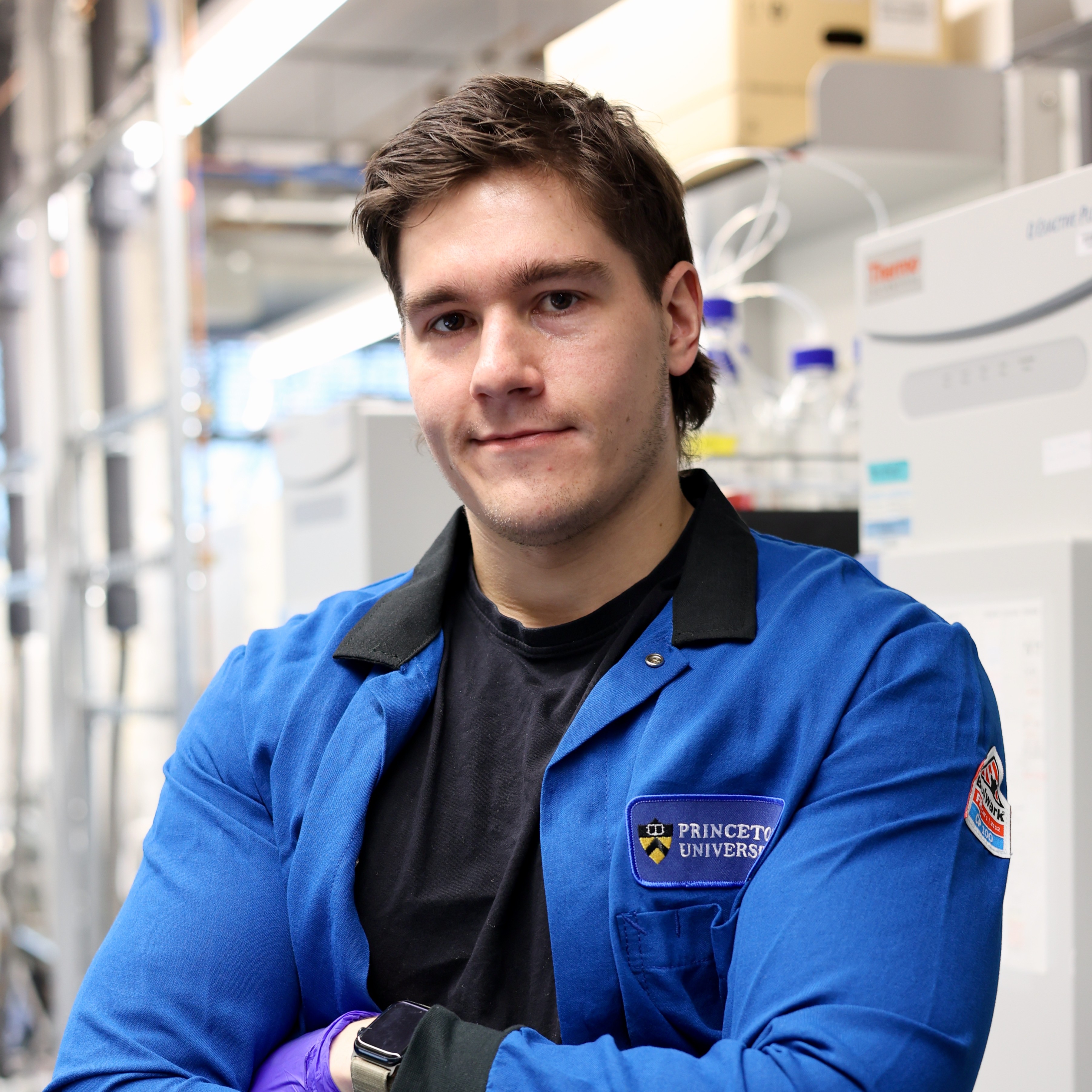
Cancer cells and certain immune cells inside tumors need a lot of energy to survive and function, creating a kind of “tug-of-war” for nutrients in the tumor’s environment. However, until recently, there has not been a good way to measure how these cells use nutrients for energy inside a living tumor. To tackle this challenge, Dr. Peace developed a new technology that can track which nutrients power a key energy pathway—the TCA cycle—in both cancer cells and immune cells, directly in vivo in tumors. By uncovering these details, his work aims to improve how we design cancer treatments, especially immunotherapies that help the immune system fight cancer more effectively. This work has the potential to be relevant for all cancers. Dr. Peace received his PhD and BA from Trinity College, Dublin.
Xin Zhou, PhD
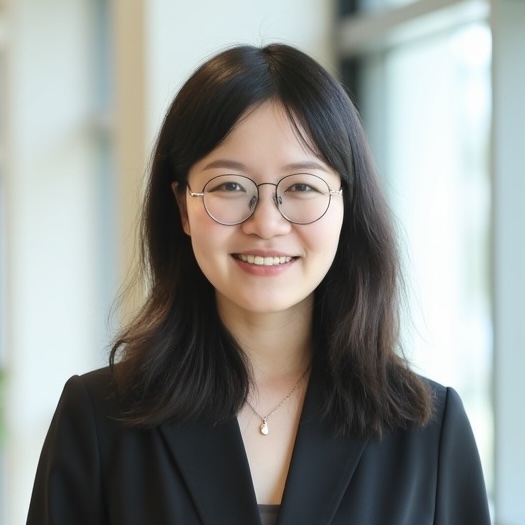
Kinase pathways control how cells grow, divide, and survive. When they malfunction, they drive many forms of cancer. Abnormal kinase signaling also contributes to resistance against current therapies. Rather than blocking these pathways as traditional treatments do, Dr. Zhou’s research explores ways to change the outcome of aberrant kinase signaling. By redirecting these pathways toward anti-tumor responses, this approach has the potential to provide more durable treatments for cancers that evade existing therapies.
Daniel A. Waizman, PhD
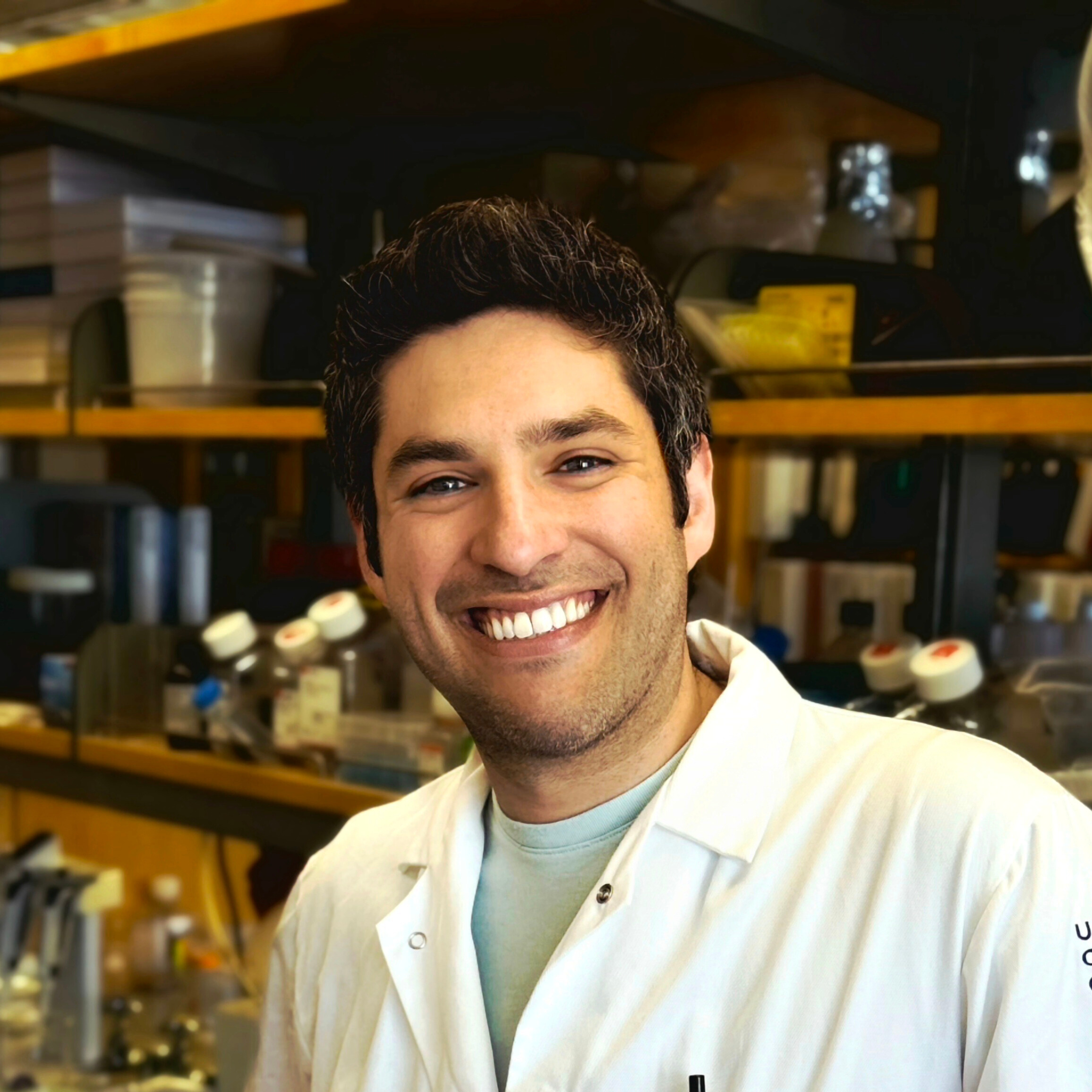
Dr. Waizman [Connie and Bob Lurie Fellow] is trying to understand how we can apply principles of resilience in the context of colorectal cancer. He is investigating how a cellular alarm signal known as Interleukin-25 triggers the immune system to create protective layers within barrier tissues, such as the intestine, to increase their environmental defenses and capacity for tissue regeneration after injury. These layers could serve two-fold functions–in prevention of colorectal cancer and the prevention or reduction of adverse side effects of cancer treatment, which serve as a barrier to continued treatment. Dr. Waizman received his PhD from Yale University, New Haven, and his BA from Cornell University, Ithaca.
Anna Karen Orta, PhD
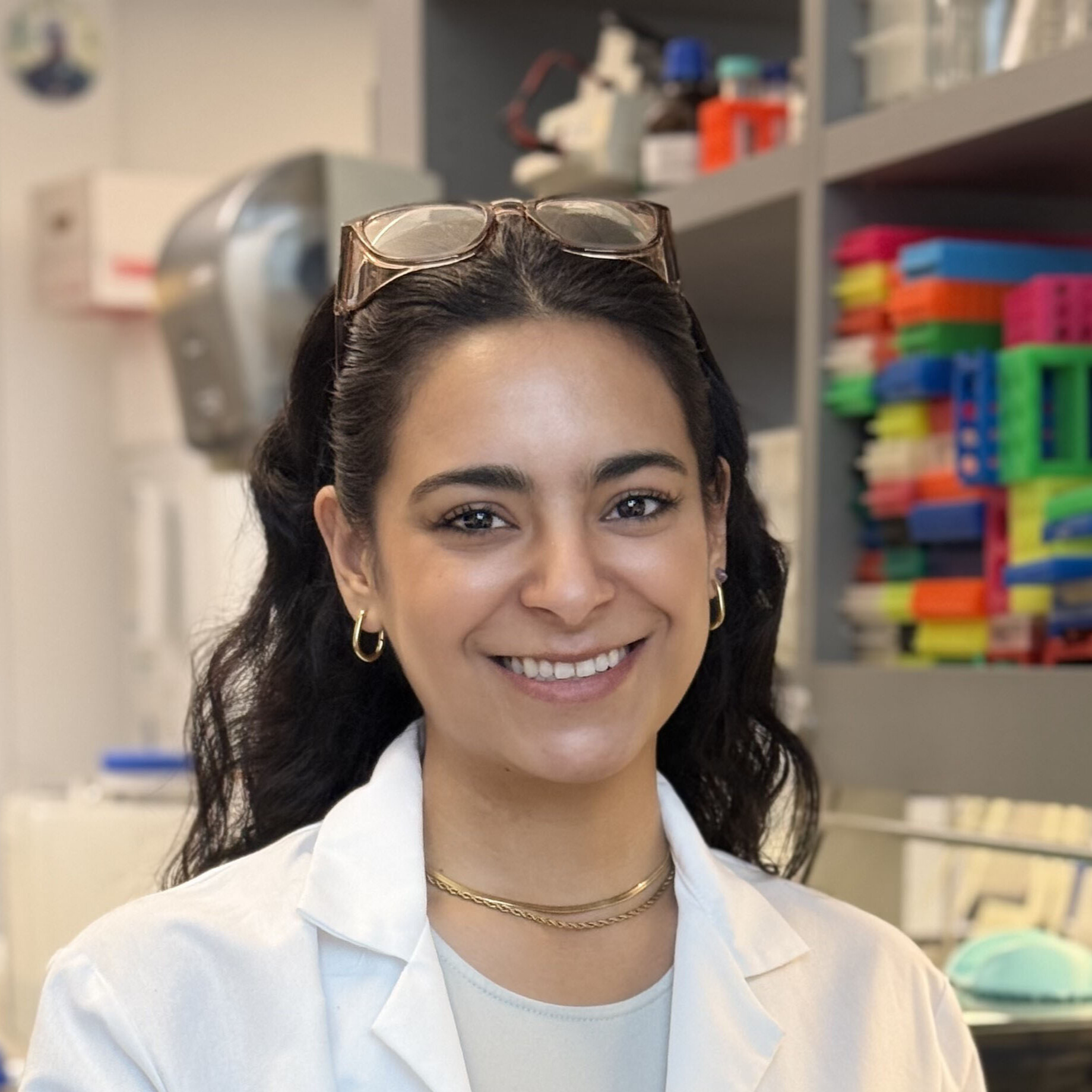
Mitochondria are best known as the cell’s power plants, but they also help cells respond to stress and repair their own DNA. A mitochondrial protein called ATAD3A plays a key role in these processes and is found at abnormally high levels in many aggressive cancers such as glioblastoma, breast cancer, and colorectal cancer, where it contributes to tumor growth and resistance to treatment. Dr. Orta studies how ATAD3A acts as a sensor of mitochondrial DNA damage—detecting trouble inside the mitochondria and helping signal to other parts of the cell, like the endoplasmic reticulum, that stress responses are needed. Using cryo-electron microscopy along with biochemical and cell-based approaches, she aims to uncover how ATAD3A is regulated and how its function supports cancer cell survival. Ultimately, she hopes to expose new ways to target mitochondrial stress pathways in cancer. Dr. Orta received her PhD from California Institute of Technology, Pasadena, and her BS from the University of Texas at El Paso, El Paso.
Qinheng Zheng, PhD
There are two key types of cancerous mutations: one that turns on growth signals too strongly, like a car with a stuck accelerator, and the other that turns off safety mechanisms, like a car with broken brakes. While some cancers can be treated with drugs that block overactive growth signals—such as Gleevec for chronic myeloid leukemia—there are currently no effective treatments for cancers caused by the loss of these safety mechanisms, also known as tumor suppressor genes. Notably, mutations in TP53, one of the most common tumor suppressor genes, are abundant in almost all cancers, including breast, lung, and ovarian cancers. Dr. Zheng’s research focuses on reactivating these impaired tumor suppressor genes, such asTP53and FBXW7, to develop new treatment options for a wider range of cancers and to address resistance to existing therapies.
Xianfeng Zeng, PhD
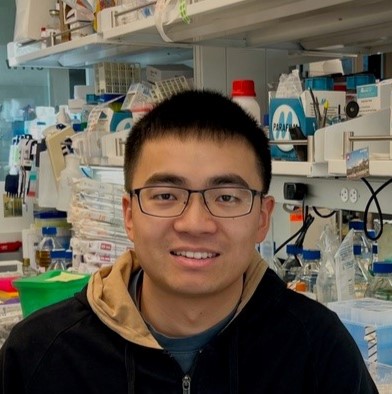
Emerging evidence underscores the profound impact of the gut microbiome, a collection of microorganisms within our digestive system, on cancer. These microorganisms collectively generate various metabolites that can significantly influence cancer progression and treatment outcomes. Dr. Zeng [Fraternal Order of Eagles Fellow] is employing synthetic communities and mouse cancer models to delve into the intricate connections between cancer and the microbiome. His synthetic communities, comprised of over 100 strains, allow for precise manipulation of the microbiome to elucidate the role of specific microbial metabolites in cancer. Additionally, Dr. Zeng is studying community-scale metabolism and using genetically edited strains to design synthetic communities with desired metabolic profiles. These approaches will gain valuable insights into microbiome-cancer interactions and establish a broadly applicable strategy to harness the therapeutic potential of gut microbiome. Dr. Zeng received his PhD from Princeton University, Princeton and his BS from Tsinghua University, Beijing.
Tamar Kavlashvili, PhD

Mitochondria harbor independent genetic material known as mitochondrial DNA (mtDNA). This compact, circular molecule encodes proteins essential for the assembly of the mitochondrial electron transport chain to generate energy in form of ATP. Like nuclear DNA, mtDNA is susceptible to damage and mutations. One of the most common disease-causing aberrations of mtDNA is termed “common deletion.” This aberration disrupts mitochondrial function, resulting in neuromuscular diseases and potentially certain cancers, including colorectal cancer. Due to a lack of tools to modify the mitochondrial genome, researchers currently do not understand the mechanisms behind common deletion. Dr. Kavlashvili [Timmerman Traverse Fellow] aims to investigate by using cutting-edge molecular biology tools to edit and visualize mtDNA genomes. She will then be poised to unravel impacts of this deletion on various tissues, in order to ultimately mitigate its pathological impact. Dr. Kavlashvili received her PhD from Vanderbilt University, Nashville and her BS from University of Iowa, Iowa City.
Saket Rahul Bagde, PhD
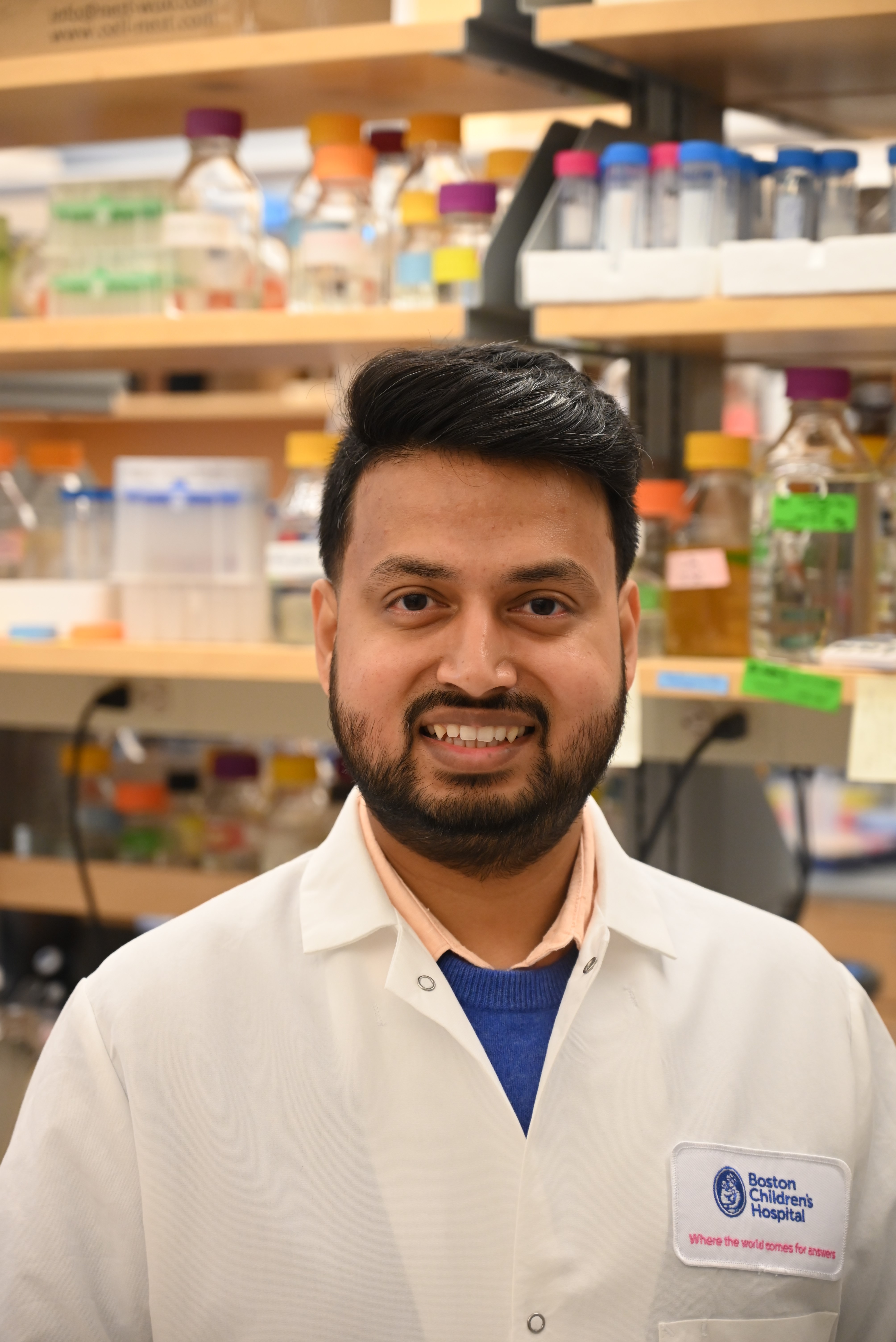
Most cancers develop in the epithelial tissue, which includes the skin and internal organ linings. Hemidesmosomes (HDs) are adhesive structures that anchor epithelial cells to the underlying base layer and maintain tissue integrity. While HD disassembly occurs normally during wound healing, tumor cells can exploit this process to detach and spread to other parts of the body. Dr. Bagde [Bakewell Foundation Fellow] is studying how HD components interlock like Lego blocks to form stable HDs in healthy tissues and how they disassemble in cancerous tissues. To investigate this phenomenon, Dr. Bagde plans to develop organoids—self-organizing mini-organs grown in a petri dish to study disease progression. By creating simple base layers that simulate the supportive properties of the native organ base layer, he plans to promote the growth of both normal and cancerous organoids. This work has the potential to support the development of personalized cancer therapies based on patient-derived tumor samples. Dr. Bagde received his PhD from Cornell University, Ithaca and his MS and BS from the Indian Institute of Science Education and Research, Pune.
CONNECT
1.877.7CANCER
info@damonrunyon.org
One Exchange Plaza
55 Broadway, Suite 302
New York, NY 10006


