

Anders B. Dohlman, PhD
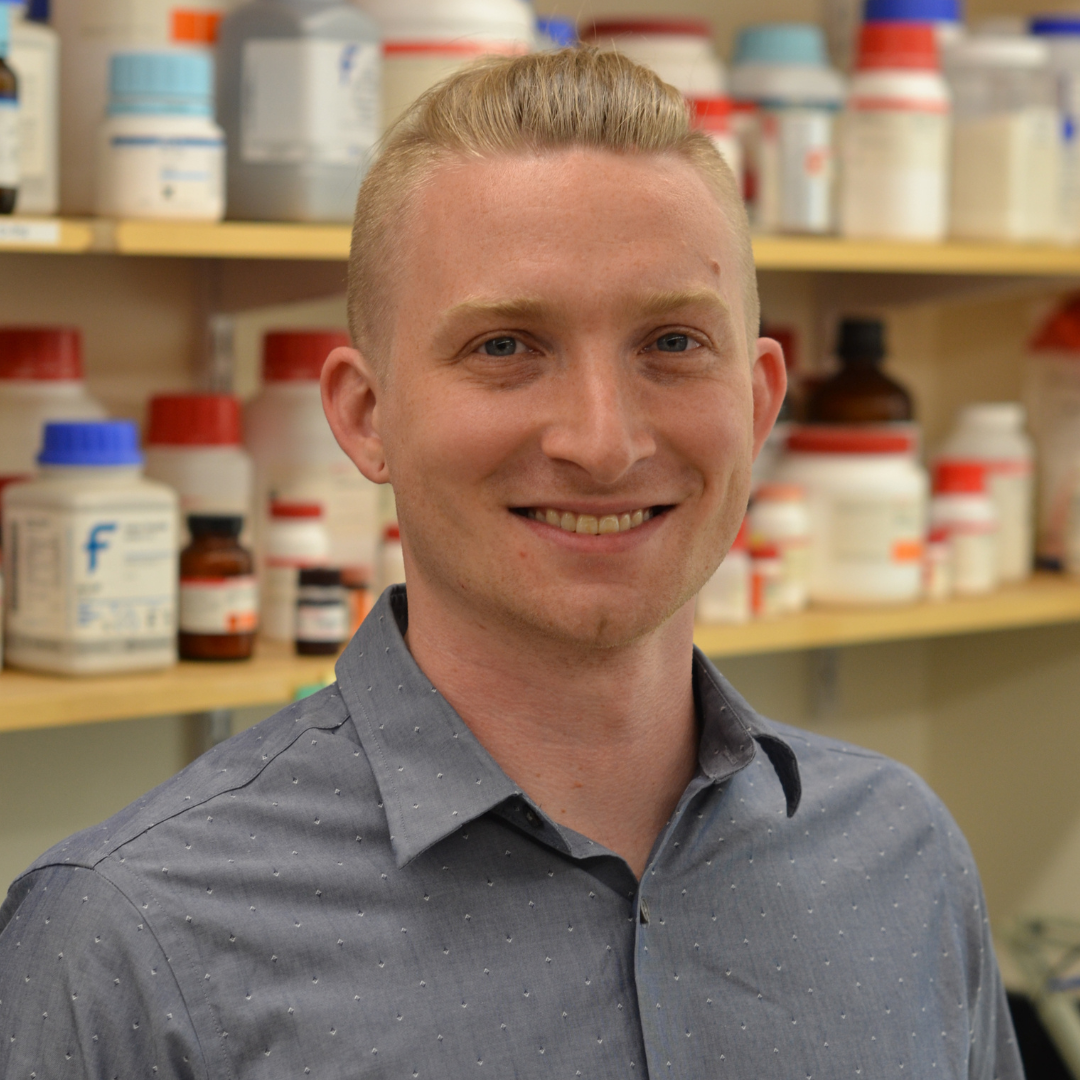
In many cancer types, microbiota have emerged as an influential component of the tumor environment. Dr. Dohlman [Meghan E. Raveis Fellow] studies studies cancer associated bacteria, fungi, and viruses to understand how microbial species colonize different tumors and their role in disease progression. The factors that drive microbial colonization of tumor tissues remain poorly understood, but uncovering these mechanisms could lead to new strategies for cancer diagnosis and treatment. To this end, Dr. Dohlman is developing computational tools for detecting microbiota in tumor tissues and studying the genomes of tumor-associated microbiota for clues about their potential role in cancer. In parallel, he is analyzing tumor genomic data to understand host features that in turn influence microbial colonization. Dr. Dohlman received his PhD from Duke University, Durham and his BA from Wesleyan University, Middletown.
Claudia A. Rivera Cifuentes, PhD
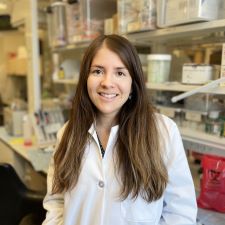
Endogenous retroviruses are viral elements of the human genome derived from retroviral infections of distant ancestors. Recent findings support the idea that these elements can cause immune system activation and inflammation. However, the crosstalk between endogenous retroviruses and the gut microbes that control immunity within the gut-and how abnormalities in this dialogue lead to inflammatory disorders-is not well understood. Further, although endogenous retroviruses have been proposed as potential targets for immunotherapy, we lack a mechanistic understanding of their interactions with the gut microbiota and how these interactions influence cancer development. Dr. Rivera Cifuentes [Lorraine W. Egan Fellow] aims to uncover how multi-kingdom interactions in the gut control intestinal health and colorectal cancer development. This work may have important clinical implications for the treatment of gut inflammatory disorders and gastrointestinal cancers. Dr. Rivera Cifuentes received her PhD from the University of Paris, Paris and her BSc from The Pontifical Catholic University of Chile, Santiago.
Marie R. Siwicki, PhD
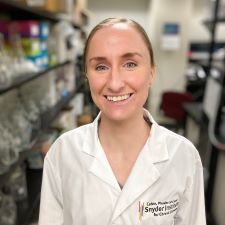
Neutrophils are important anti-microbial cells within the innate immune system. Recently, it has been shown that neutrophils can perform diverse functions, taking on both pro-inflammatory and pro-healing roles in response to tissue injury or insult. Dr. Siwicki's [Dale F. and Betty Ann Frey Fellow] goal is to understand how different neutrophil subtypes or states function to balance inflammatory versus regenerative processes, ultimately influencing tissue health and cancer. This work has the potential to uncover the basis of neutrophils' pro-tumor versus anti-tumor functions and could open the door to therapeutic targeting of specific neutrophil behaviors in order to improve clinical outcomes in cancer. Dr. Siwicki received her PhD from Harvard Medical School, Boston and ScB from Brown University, Providence.
Ben F. Brian, PhD
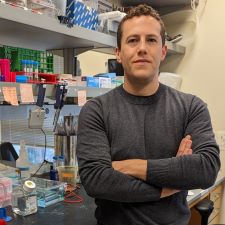
Abnormal interactions between our immune system and our gut microbes can lead to inflammation that drives colon and gastric cancer growth. Dr. Brian [HHMI Fellow] is investigating how the immune system recognizes and responds to these microbes, and how these interactions contribute to abnormal inflammation that can fuel cancer growth. Microbiota-immune interactions have been generally studied in the context of "clean" laboratory mice, but these models do not fully capture human immunology and the complex interplay between host cells and foreign microbes. To overcome this, Dr. Brian plans to study these interactions in "dirty" mice, colonized by a diverse community of microbes as well as pathogens. He will then use laboratory mice with more defined microbial communities to test how recognition of specific microbes by the immune system is regulated and how disruptions to this regulation contributes to inflammation. Dr. Brian received his PhD from the University of Minnesota, Twin Cities and his BS from the University of California, Santa Barbara.
Jamie B. Spangler, PhD
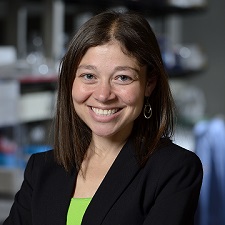
Groundbreaking advances in immunotherapy have revolutionized the treatment of cancer. In particular, new antibody drugs that block immunosuppressive pathways have achieved remarkable success in reawakening the immune system to clear tumor cells, leading to lasting cures in patients whose cancers do not respond to any other therapies. Unfortunately, the majority of patients (>70%) do not respond to immunotherapy treatment. It is difficult to predict which patients will benefit, creating an urgent demand for novel immunotherapy drugs that act through alternative mechanisms. Dr. Spangler is working to develop a class of antibody therapeutics that target cancer-promoting pathways in a different way than all current immunotherapies, with the goal of drastically expanding the percentage of cancer patients who benefit from them.
Catherine Triandafillou, PhD
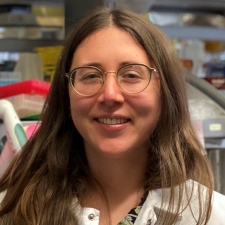
When an organism is developing, it must correct mistakes that might occur at the level of individual cells or tissues. Dr. Triandafillou [National Mah Jongg League Fellow] wants to better understand how error correction systems work, and why they might not work in cases like cancer. To explore these developmental questions, Dr. Triandafillou uses what are called gastruloids, 3D clusters of stem cells that can organize themselves and transform into the basic building blocks of an organism. She developed a method using microscopy to trace the history of these cells and measure how much their past state and history influence what they become. Dr. Triandafillou wants to see how differences in individual cells might impact what those cells eventually turn into, and how such differences affect the correction of mistakes like abnormal growth, bias in cell types, or missing cell types. She is also interested in how the cells around an error react to it. Dr. Triandafillou received her PhD from the University of Chicago and her BS from Temple University.
CONNECT
1.877.7CANCER
info@damonrunyon.org
One Exchange Plaza
55 Broadway, Suite 302
New York, NY 10006


