

Stephanie A. Gaglione, PhD
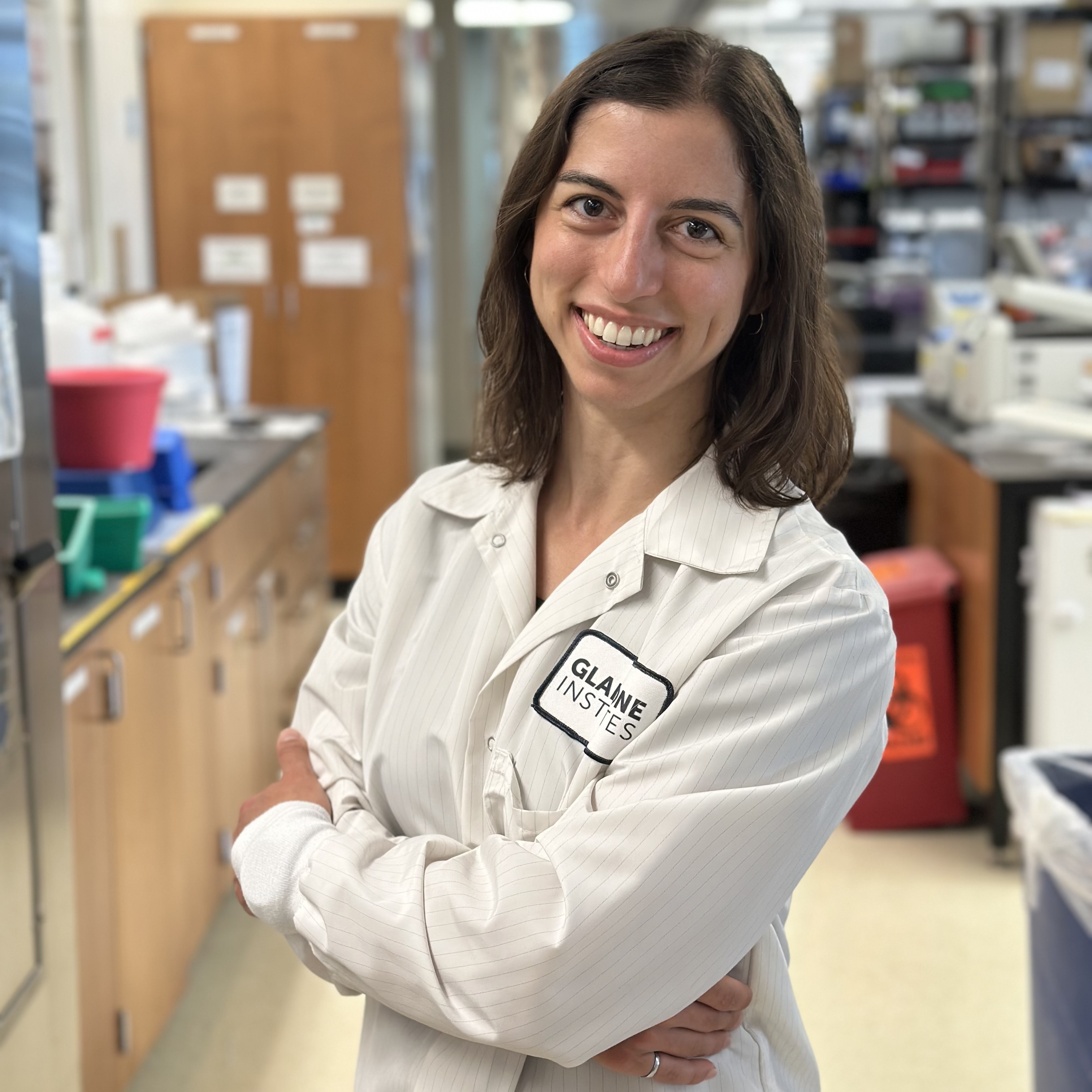
Cancer immunotherapies can be engineered to direct T cells against specific tumor antigens, but many challenging cancers lack viable targets. Recent advances suggest that an understudied source of antigens can generate strong immune responses. These cryptic antigens originate from unusual and noncoding parts of viruses and tumor genomes and may be shared between patients. Dr. Gaglione will apply cutting-edge tools to comprehensively profile the antigen landscape of virally-driven cancers, mapping which antigens are presented to the immune system and which trigger tumor-specific immune responses. This work will reveal new, potentially shared targets for T cell-based therapies, including engineered T cells and cancer vaccines. Beyond virally-driven cancers, these approaches may help identify therapeutic targets and mechanisms in other diseases with T cell involvement. Dr. Gaglione received her PhD from the Massachusetts Institute of Technology, Cambridge, her MSc from the University of Oxford, Oxford, and her BASc from the University of Toronto, Toronto.
Jaejin Kim, PhD
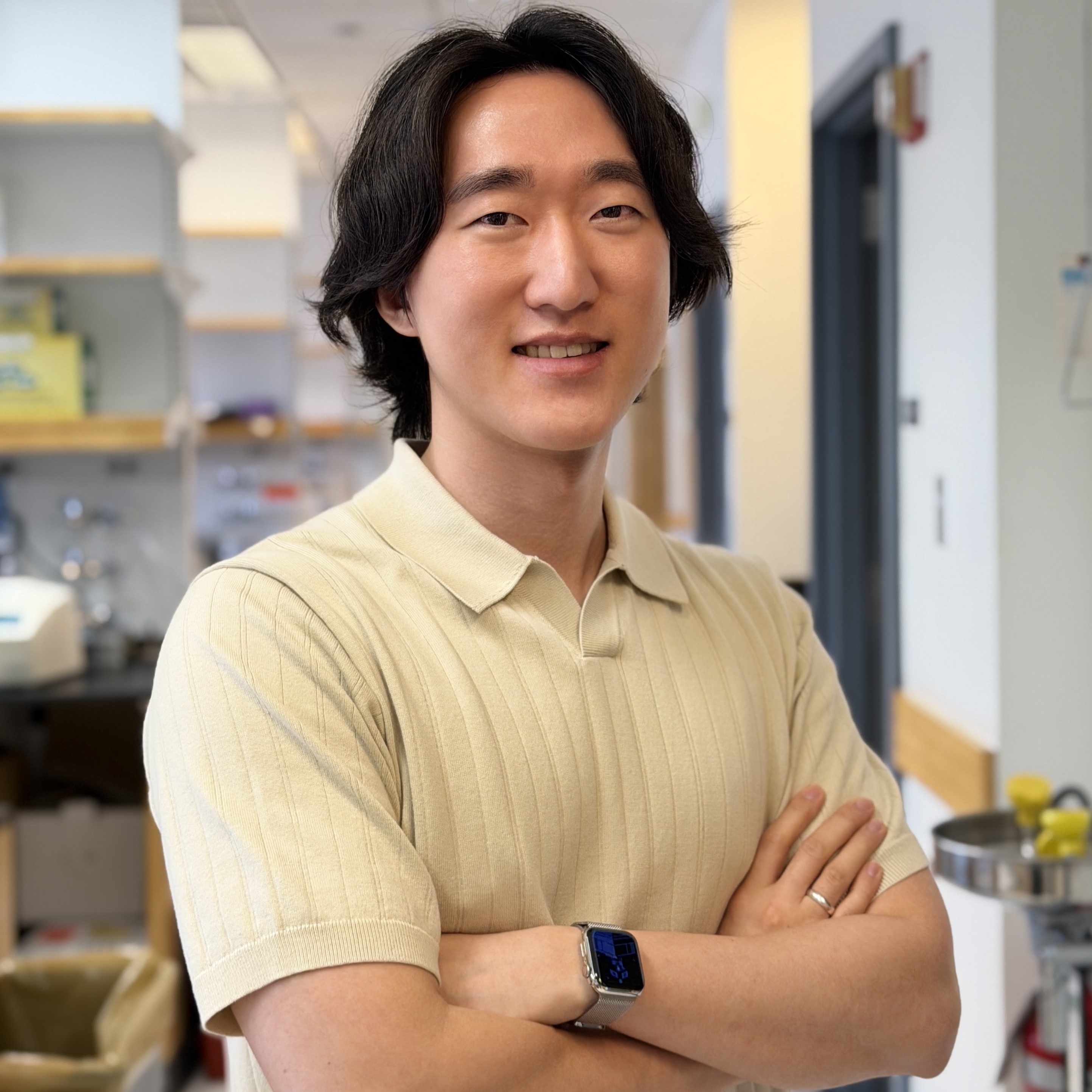
Inflammatory diseases such as eczema, psoriasis, and inflammatory bowel disease often recur years later in the same places, suggesting that tissues can “remember” past insults. Such memories can be beneficial, accelerating wound healing and pathogen defense, but they can also be maladaptive, predisposing tissues to chronic inflammation and cancer. It remains unclear how this memory is preserved in stem cells that otherwise appear normal, and which features promote regeneration versus cancer. Dr. Kim aims to identify the genes and molecular mechanisms underlying tissue memory and to define their consequences for wound repair and tumorigenesis. Identifying the “bad memories” that drive tumorigenesis could open opportunities to selectively erase them—reducing cancer risk without compromising normal regeneration—and may one day help prevent inflammation-linked cancers before they arise. Dr. Kim received his PhD and BSc from Seoul National University, Seoul.
Matthew L. Miller, PhD
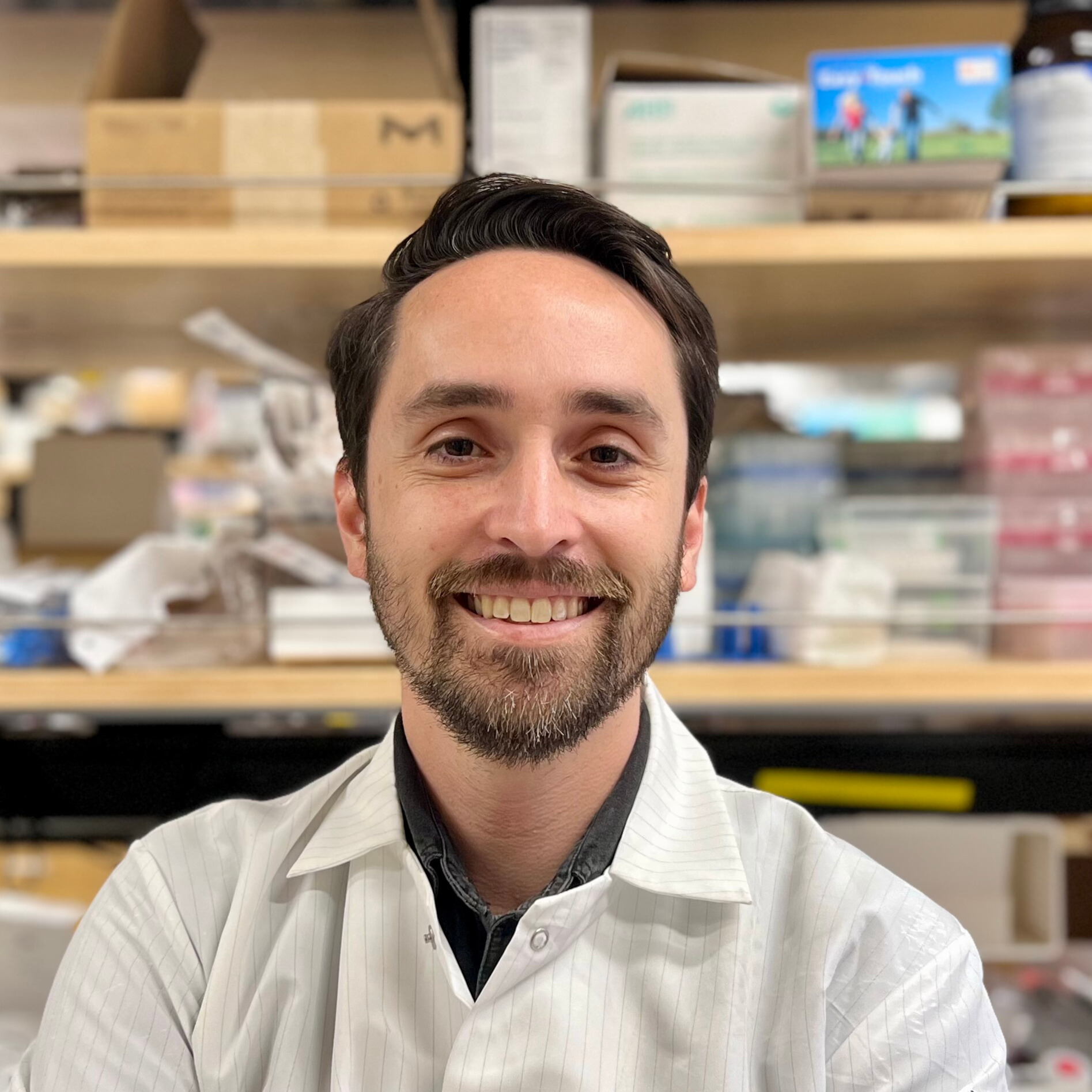
Glioblastoma is a highly aggressive form of brain cancer that, unfortunately, resists most existing treatments, including immunotherapy. This resistance largely stems from the brain’s protective barriers that restrict immune cells from effectively reaching and attacking tumors. Dr. Miller’s [Sijbrandij Foundation Fellow] research focuses on overcoming these barriers by understanding how immune cells, specifically T cells, can better navigate into brain tumors and survive in the harsh, nutrient-poor environment surrounding them. Dr. Miller is identifying the chemical signals (chemokines) that direct immune cells from the brain’s borders (the meninges) into the tumor area. By mapping these pathways, he aims to engineer immune cells to recognize and respond more effectively to these signals, improving their ability to reach and attack tumors. Secondly, he will study how the unique metabolic conditions in the fluid surrounding the brain (cerebrospinal fluid) influence the function of immune cells. This fluid contains substances that might limit immune cells’ ability to attack cancer cells. By analyzing these conditions, Dr. Miller intends to design immune cells that are better adapted to survive and function effectively within the brain's challenging environment. Ultimately, his goal is to develop strategies that significantly improve the effectiveness of immunotherapy for glioblastoma, offering new hope to patients with this devastating cancer. Dr. Miller received his PhD from the University of California, Los Angeles, and his BS from the University of California, Berkeley.
Leslie A. Day, PhD
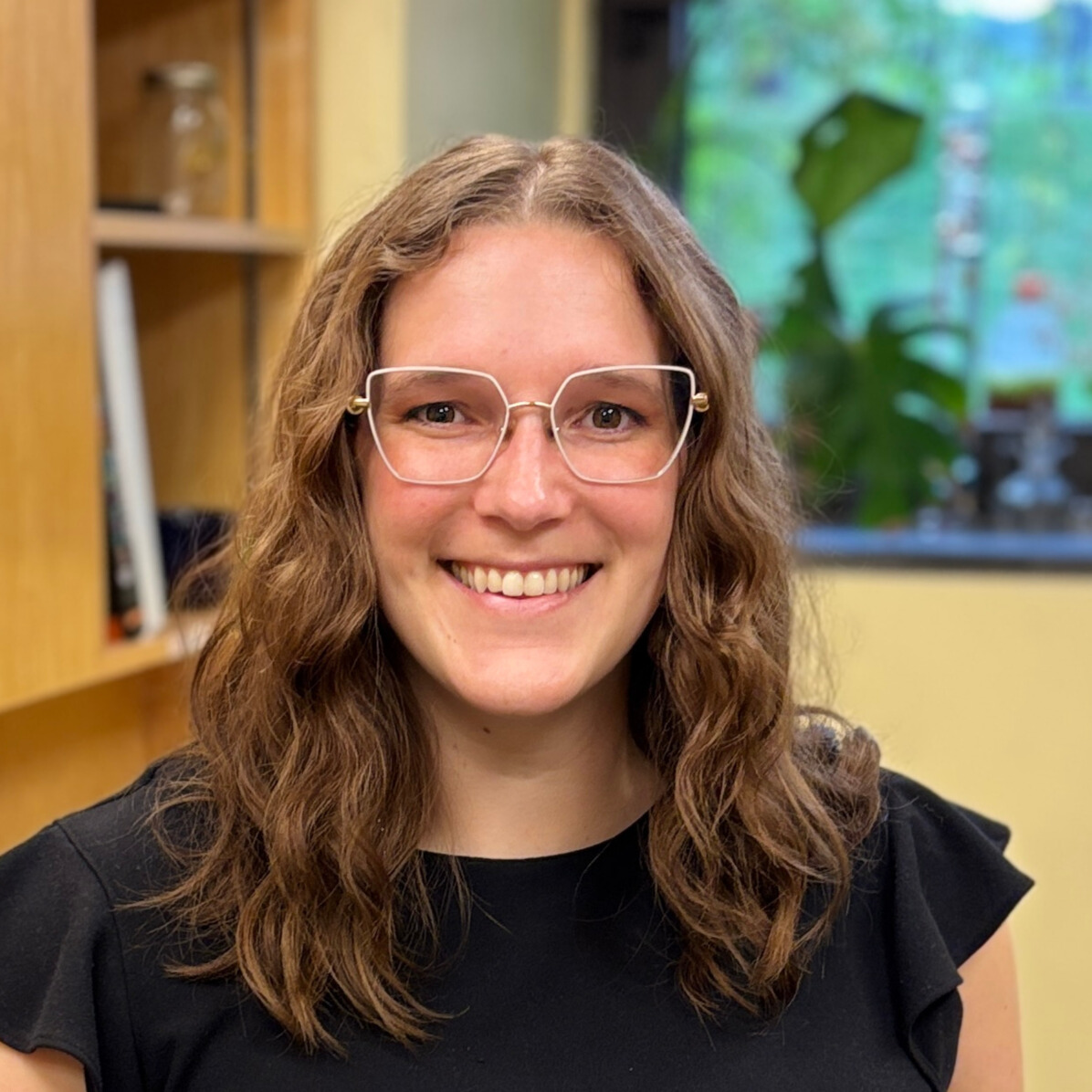
Dr. Day [Sijbrandij Foundation Fellow] is investigating how bacteria called Prevotella contribute to oral squamous cell carcinoma (OSCC), the most common type of oral cancer. These bacteria are found in higher numbers in the mouths of people with OSCC compared to healthy individuals, and studies suggest they may promote tumor growth and make cancer treatment more difficult. When patients undergo surgery to remove oral tumors, these bacteria can form resistant communities called biofilms that survive antibiotic treatment, increasing the risk of post-surgical infections. By developing genetic tools to study Prevotella, Dr. Day aims to identify how these bacteria persist in cancer environments and potentially discover new ways to improve OSCC treatment outcomes. Dr. Day received her PhD from the University of Minnesota, St. Paul, and her BS from the University of Missouri, Columbia.
Saket Rahul Bagde, PhD
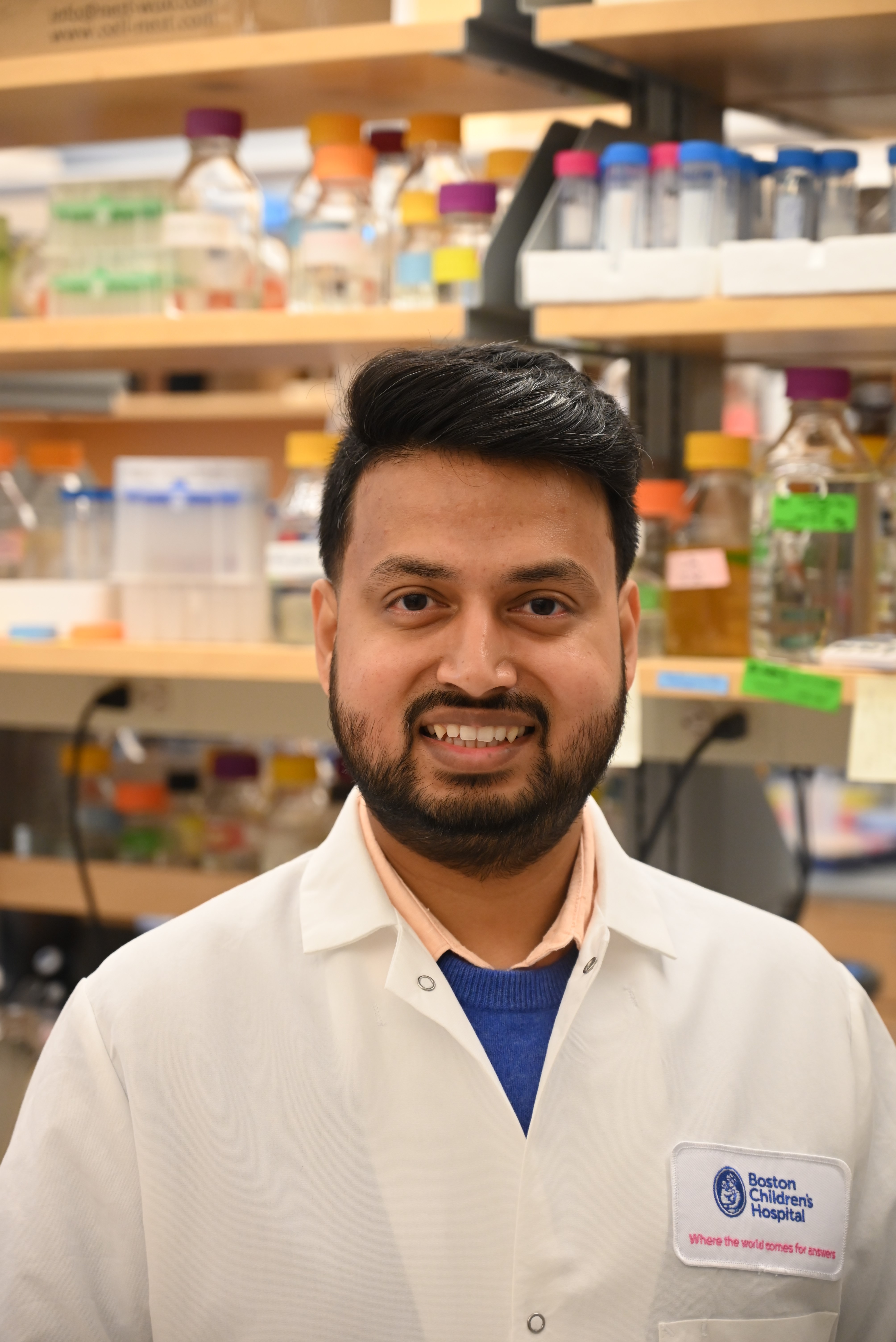
Most cancers develop in the epithelial tissue, which includes the skin and internal organ linings. Hemidesmosomes (HDs) are adhesive structures that anchor epithelial cells to the underlying base layer and maintain tissue integrity. While HD disassembly occurs normally during wound healing, tumor cells can exploit this process to detach and spread to other parts of the body. Dr. Bagde [Bakewell Foundation Fellow] is studying how HD components interlock like Lego blocks to form stable HDs in healthy tissues and how they disassemble in cancerous tissues. To investigate this phenomenon, Dr. Bagde plans to develop organoids—self-organizing mini-organs grown in a petri dish to study disease progression. By creating simple base layers that simulate the supportive properties of the native organ base layer, he plans to promote the growth of both normal and cancerous organoids. This work has the potential to support the development of personalized cancer therapies based on patient-derived tumor samples. Dr. Bagde received his PhD from Cornell University, Ithaca and his MS and BS from the Indian Institute of Science Education and Research, Pune.
CONNECT
1.877.7CANCER
info@damonrunyon.org
One Exchange Plaza
55 Broadway, Suite 302
New York, NY 10006


