

Lindsey Draper, MD
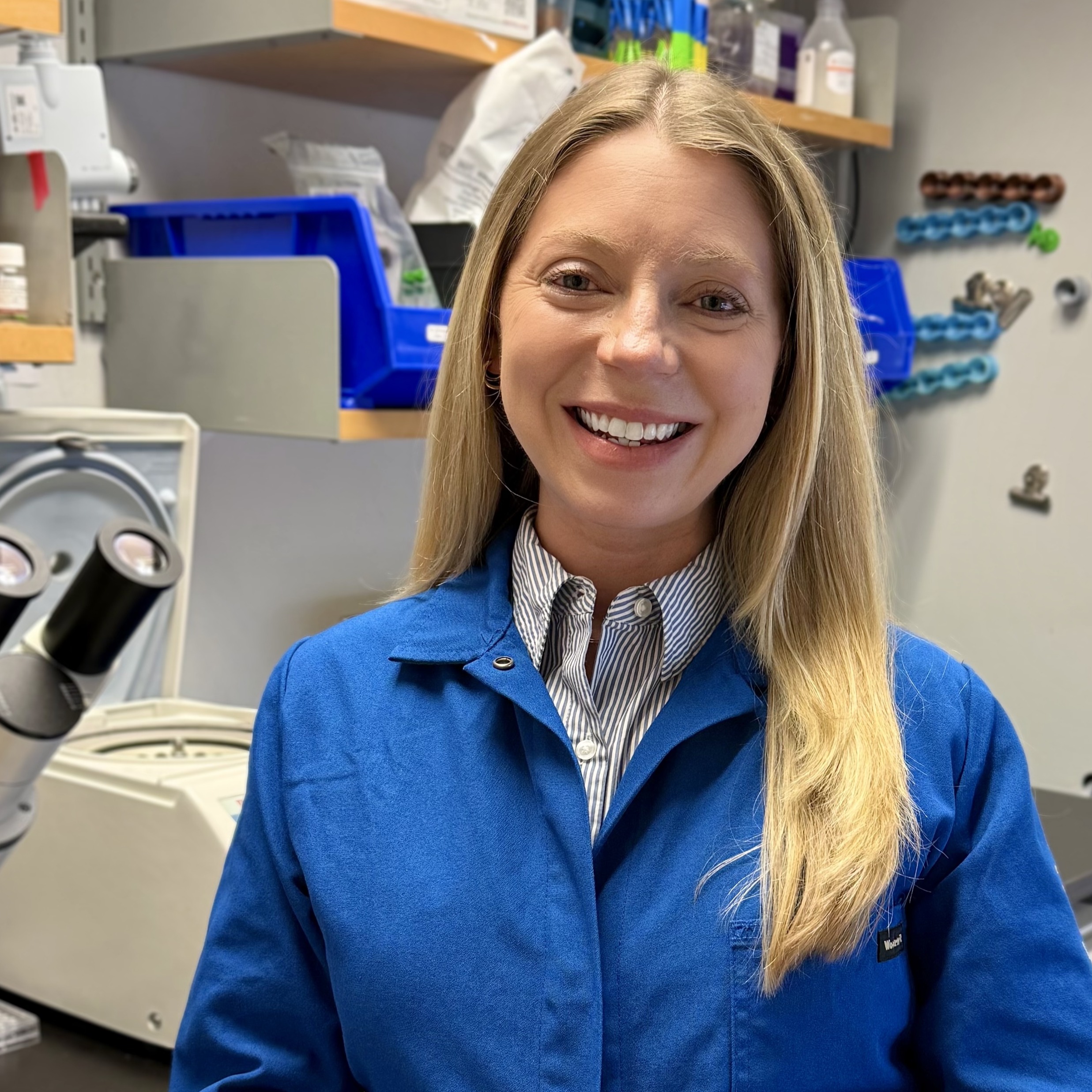
More effective immunotherapies are needed to treat advanced ovarian cancer. While most types of ovarian cancer do not respond well to immunotherapy, the presence of immune cells in ovarian tumors correlates with longer patient survival. A subset of these cells, known as tumor infiltrating lymphocytes (TIL), specifically recognize tumors. However, ovarian TIL are unable to eradicate cancer due to mechanisms of tumor immune evasion and TIL exhaustion. Dr. Draper proposes genetically reprogramming ovarian TIL to better recognize and kill tumors by introducing gene fusions that may enhance TIL persistence in the harsh tumor environment. These potent genetic enhancements will be delivered by a virus engineered to only infect TIL that target tumors, while ignoring bystander TIL that may recognize viruses, healthy human tissues, or other non-cancer targets, thus offering the potential for a safe and effective novel immunotherapeutic for patients with ovarian cancer and other immunotherapy-resistant malignancies.
Olumide Adesioye

Olumide is a recent graduate of Brown University, where she majored in Immunobiology. Olumide was born and raised outside Chicago by parents who immigrated from Nigeria. After acquiring a passion for biology in her A.P. Bio class in high school, she continued her studies in the biology department at Brown, where she sought out research positions throughout her undergraduate career. Her recent senior honors thesis examined the effects of menopause on immune cell spatial distribution within the endocervix. She is looking forward to learning more about how the immune system can be exploited to fight cancer as a Damon Runyon SPARK Scholar. Olumide is a recipient of the NSF Research Experiences for Undergraduates and a Brown Undergraduate Teaching and Research Award. In her free time, she enjoys weightlifting, roller skating, photography, reading, and hair styling.
Rachel Segal Greenberg, PhD
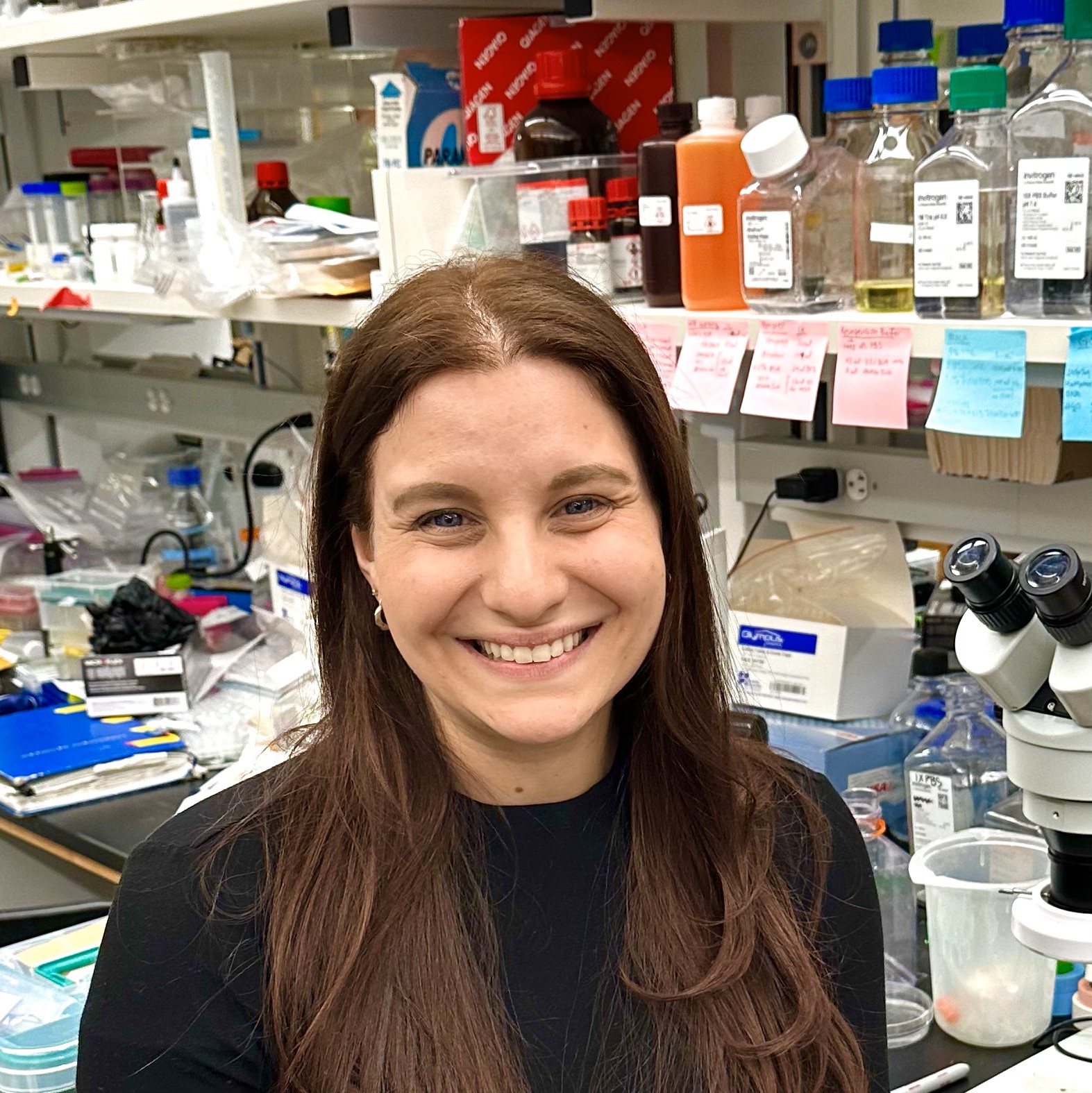
Interoceptive neural circuits are responsible for sensing internal changes in the body and initiating appropriate responses. In the context of female reproduction, these neurons sense internal states within the reproductive tract and maintain homeostasis by modulating functions like smooth muscle contractions, fluid flow, and communication with the central nervous system. The female reproductive tract undergoes major changes throughout life, ranging from pregnancy to gynecological cancers like high-grade ovarian carcinoma. Dr. Greenberg is investigating how interoceptive neurons monitor the female reproductive tract and modulate essential physiologies in these changing hormonal and biological states. Her research on the typical functions of reproductive neurons and on the neuronal contribution to tumor progression may suggest novel therapeutic approaches for gynecological cancer treatment.
Sangin Kim, PhD
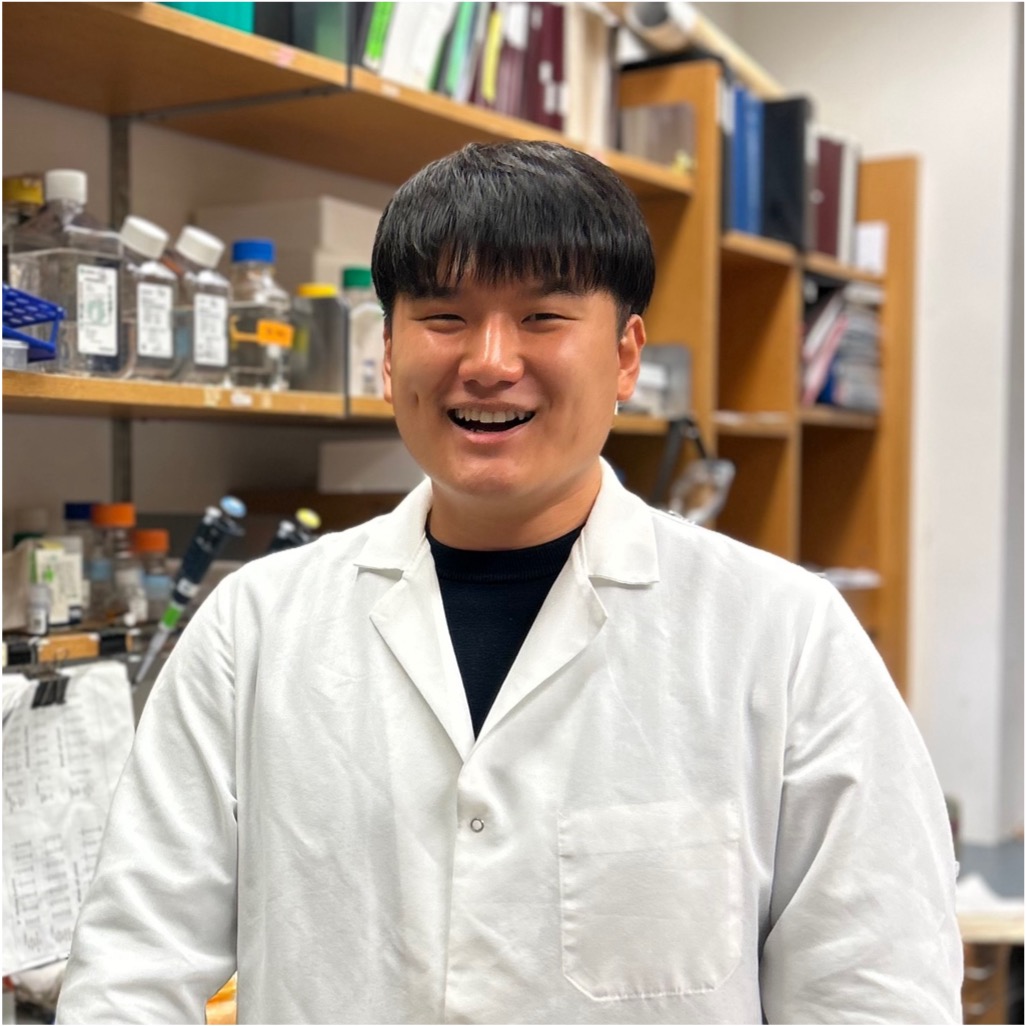
The cellular response to DNA damage is coordinated by an enzyme known as ATM kinase. Mutations in ATM are found in approximately 1% of the population and contribute to an increased risk of both hereditary and sporadic cancers, including breast cancer. Dr. Kim’s [Lallage Feazel Wall Fellow] research investigates how ATM suppresses the production of double-stranded RNAs (dsRNAs) in response to DNA damage. These dsRNAs play a critical role in tumor progression. Dr. Kim aims to identify the key molecular players involved in ATM-mediated suppression of dsRNAs and elucidate how the loss of ATM function triggers inflammatory responses through dsRNA sensing pathways. By uncovering these mechanisms, Dr. Kim aims to deepen our understanding of how ATM mutations drive cancer development and uncover novel therapeutic strategies for ATM-associated cancers. Dr. Kim received his PhD and BS from the Ulsan National Institute of Science and Technology, Ulsan.
Jeremy A. Owen, PhD
Chromatin remodelers are complex protein machines responsible for packaging DNA and regulating gene expression. Their dysfunction is strongly implicated in cancer. For example, certain types of sarcoma and ovarian cancer are driven by mutations in a chromatin remodeler called BAF. Combining experiments with theoretical work, Dr. Owen’s research aims to understand how remodelers recognize their target sites in the cell’s nucleus. By expanding our understanding of chromatin remodeling, the findings of this research will provide the groundwork for more effective cancer treatments—suggesting how drugs might target chromatin remodelers—as well as enhance our understanding of how existing drugs that target remodeler-adjacent mechanisms might work.
A central aim of this project is the development of new, quantitative models to explain the behavior of chromatin remodelers seen in experiments. Dr. Owen will achieve this by successive rounds of passing between theory and experiments repeatedly—measuring, modeling, then measuring again. For comparison to experiments, model predictions will be extracted computationally (e.g., numerically solving ODEs, or by exact stochastic simulation using Gillespie’s algorithm) or analytically (e.g., by the King-Altman procedure, and variants), as appropriate.
CONNECT
1.877.7CANCER
info@damonrunyon.org
One Exchange Plaza
55 Broadway, Suite 302
New York, NY 10006


