

Ryan B. Corcoran, MD, PhD
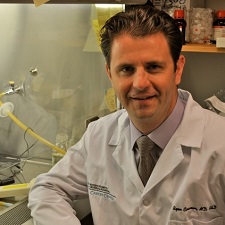
Project title
"Defining novel targeted therapy combination strategies for BRAF V600 mutant colorectal cancer"
Mutations in the BRAF gene occur in 10-15% of colorectal cancers and predict poor outcome. Drugs that block the action of mutant BRAF are under active clinical development, and one drug that blocks BRAF was recently approved by the Food and Drug Administration (FDA) for treatment of metastatic melanoma. However, these BRAF inhibitor drugs alone have not been effective in BRAF mutant colorectal cancer patients, suggesting that improved approaches are needed. Dr. Corcoran's goal is to develop new treatment strategies for BRAF mutant colorectal cancer. Through a combination of laboratory studies and clinical trials, he plans to identify other key survival signals in BRAF mutant colorectal cancers that can be targeted, in combination with BRAF inhibitors, to improve treatment response in BRAF mutant colorectal cancer patients. His Continuation Grant will be used to continue his important translational studies to develop and evaluate novel therapeutic strategies for treatment of colorectal cancer.
Institution
Massachusetts General Hospital
Sponsor(s) / Mentor(s)
Jeffrey A. Engelman, MD, PhD, and Keith T. Flaherty, MD
Cancer type
Colorectal
Research area
Experimental Therapeutics
Award Program
Clinical Investigator
Oren J. Becher, MD
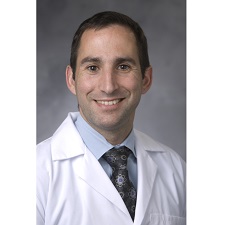
Project title
"Regional differences in central nervous system gliomagenesis"
Diffuse intrinsic pontine glioma, or DIPG, is an incurable brain cancer that mostly strikes young children. The median survival rate is less than one year after diagnosis. To date, there are no chemotherapeutic or targeted agents that have proven to be beneficial for treatment of these cancers. Dr. Becher leads one of very few laboratories around the world that focus exclusively on this type of deadly brain cancer. He has identified EZH2-mediated epigenetic mechanisms that underlie the development of DIPG. He is uniquely positioned to ask important scientific questions about DIPG that have the potential to impact clinical care in the future. The Continuation Grant will be applied to studies that first define the mechanisms of gliomagenesis using genetic mouse models, then develop preclinical models of the disease. His goal is to identify the most effective drugs against this type of brain cancer and then translate these findings by testing the drugs in clinical trials for children afflicted with this type of brain cancer.
Institution
Northwestern University
Sponsor(s) / Mentor(s)
Darell D. Bigner, MD, PhD, Katherine E. Warren, MD, and Michael Kastan, MD, PhD
Cancer type
Pediatric
Brain
Research area
Animal Models/Mouse Models
Award Program
Clinical Investigator
Vivek K. Arora, MD, PhD
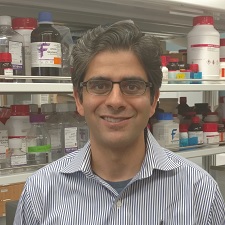
Project title
"Defining a targetable oncogenic dyad in bladder cancer"
Modern molecular characterization of tumors of the urinary bladder has illuminated cellular pathways that may be important for bladder cancer development. Dr. Arora is investigating the role played by a family of proteins called nuclear receptors in driving bladder cancer development and progression. These studies will provide insights into the fundamental basis of bladder cancer, while validating potential drug targets. Nuclear receptors are particularly attractive drug targets because they are highly amenable to modulation with drugs. He hopes to pave the way for the development of drugs to effectively target nuclear receptors in bladder cancer.
Institution
Washington University
Sponsor(s) / Mentor(s)
Lee Ratner, MD, PhD
Cancer type
Kidney and Bladder
Research area
Cancer Genetics
Award Program
Clinical Investigator
Christopher E. Barbieri, MD, PhD
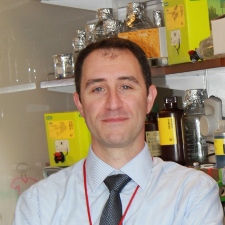
Project title
"Subtype-specific modes of clinical and molecular progression in prostate cancer"
Prostate cancer is a clinically variable disease – some patients do well, while others do very poorly – and recent studies have shown clear molecular subtypes of prostate cancer that may explain this variability. Some subtypes of prostate cancer have underlying defects in repairing their DNA, making them potentially sensitive to therapies that exploit this deficiency. Dr. Barbieri [MetLife Foundation Clinical Investigator] is a surgeon scientist whose overall goal is to translate our understanding of the molecular basis of prostate cancer into near term benefits for patients. He will investigate the response to novel therapies for prostate cancer in patients undergoing surgical therapy for early stage disease, and define the genomic alterations that predict which cancers will be sensitive to these agents. Defining the response and the predictors of new agents in early, untreated prostate cancer will change the paradigm of how we treat men with the disease, allowing a precision medicine approach.
Institution
Weill Cornell Medicine
Sponsor(s) / Mentor(s)
Lewis C. Cantley, PhD
Cancer type
Prostate
Research area
Pharmacogenomics and Biomarkers
Award Program
Clinical Investigator
Ami S. Bhatt, MD, PhD
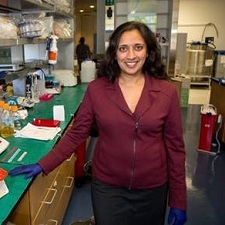
Project title
"Applying microbiome-based therapeutics in cancer patients"
Chemotherapy and hematopoietic stem cell transplantation (HCT) can cure otherwise deadly cancers such as leukemias and lymphomas. Unfortunately, there are many serious complications associated with these aggressive forms of therapy. A significant proportion of these complications have been associated with alterations in the microbiome - the bacteria, viruses and fungi that naturally live within and on us. Dr. Bhatt applies cutting-edge molecular, microbiology and computational biology approaches to understand how the microbiome may mediate these serious complications. In her bench-to-bedside and back research, the safety and effectiveness of live bacterial therapies (probiotics) will be explored.
Institution
Stanford University
Sponsor(s) / Mentor(s)
Linda Boxer, MD, PhD, and Michael Snyder, PhD
Cancer type
Blood
Research area
Experimental Therapeutics
Award Program
Clinical Investigator
Heather L. Yeo, MD
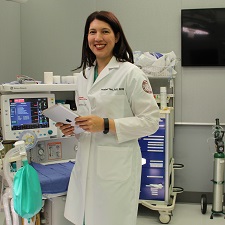
Project title
"Use of mobile applications to evaluate post surgical recovery in aging patients with GI cancer"
The cost of gastrointestinal cancer care in older adults is high, and hospital readmission after major GI cancer surgery can be particularly costly. The Center for Medicare Services (CMS) estimates that around 75% of these readmissions are preventable. For these patients, early warning signs for dehydration, infection, or other complications, if noted earlier, would allow physicians to intervene and prevent readmission. Dr. Yeo, a surgeon, has worked with programmers from Cornell Tech Campus to develop a Mobile Application (iPhone or Android compatible) for patients undergoing abdominal cancer surgery. The app tracks patients’ mobility and prompts patients to input quantitative and qualitative data regarding pain, fluid status and dietary factors in order to allow physicians to intervene earlier as needed. She is currently piloting the app for feasibility and usability, and improving the user interface so that physicians can use the app to monitor and improve patient care. The next step is a prospective randomized study to evaluate the utility of this mobile app in the prevention of readmission, thus enhancing physician-patient interactions, decreasing costs and, most importantly, improving patient care.
Institution
Weill Cornell Medicine
Sponsor(s) / Mentor(s)
Manish A. Shah, MD, and Deborah L. Estrin, PhD
Cancer type
Gastric
Other Cancer
Colorectal
Pancreatic
Research area
Outcomes Research
Award Program
Clinical Investigator
Geoffrey R. Oxnard, MD

Project title
"Clinical translation of plasma cell-free DNA (cfDNA) genotyping technologies for NSCLC care"
Analysis of tumor DNA has transformed cancer care, allowing researchers to identify unique vulnerabilities within some cancers and treat them with highly effective, yet tolerable, targeted therapies. Moreover, emerging technologies now allow detection and analysis of tumor DNA which is circulating freely within the blood of cancer patients. Such “liquid biopsies” hold promise in their ability to accelerate the delivery of targeted therapies to appropriate cancer patients, while also allowing noninvasive monitoring of treatment outcome. Dr. Oxnard [Gordon Family Clinical Investigator] has recently developed a rapid noninvasive test for detection of tumor-derived DNA mutations in the blood of lung cancer patients, and has now launched this for clinical use at his institution. His research aims to validate that such liquid biopsies are ready for widespread adoption in guiding the care of lung cancer patients, while working to develop next generation assays that can comprehensively characterize cancer biology and identify the emergence of treatment resistance.
Institution
Dana-Farber Cancer Institute
Sponsor(s) / Mentor(s)
Pasi A. Janne, MD, PhD
Cancer type
Lung
Research area
Diagnostics
Award Program
Clinical Investigator
Named Award
Damon Runyon-Gordon Family Clinical Investigator
Alex Kentsis, MD, PhD
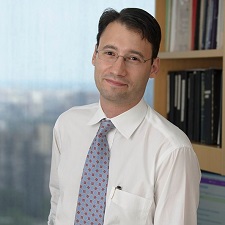
Project title
"Mechanism and function of regulatory signaling in acute myeloid leukemia"
Dr. Kentsis [Richard Lumsden Foundation Clinical Investigator] focuses on the discovery and development of novel therapeutic strategies for patients with refractory cancers, with immediate emphasis on therapy-resistant acute myeloid leukemia (AML). Recent advances in genomic technology revealed a daunting complexity of genetic lesions in some cancers, and surprising dearth of gene mutations amenable to therapy in others. As a physician caring for children with hematologic and solid tumors, his goal is to accelerate advances in AML therapy, by developing functional genomic and proteomic technologies to determine the principal molecular lesions driving AML cells. Using preclinical models, he is defining the mechanisms by which aberrant signaling controls gene expression and therapy resistance in AML and testing therapeutic agents to block AML cell growth and survival.
Institution
Memorial Sloan Kettering Cancer Center
Sponsor(s) / Mentor(s)
Scott A. Armstrong, MD, PhD, and Ross L. Levine, MD
Cancer type
Blood
Pediatric
Research area
Carcinogenesis
Award Program
Clinical Investigator
Named Award
Richard Lumsden Foundation Clinical Investigator
Jaehyuk Choi, MD, PhD
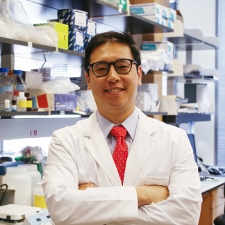
Project title
"Development of novel therapeutic strategies for aggressive CTCL subtypes"
Cutaneous T cell lymphoma (CTCL) is an incurable cancer of the immune T cells in the skin. In advanced disease, the cells escape into the blood, the lymph nodes, and at times the visceral organs. Patients with advanced disease eventually succumb to a combination of tumor burden and disease-related immunosuppression. Dr. Choi has recently used next generation sequencing to identify gene mutations that he hypothesizes are important for CTCL pathogenesis. He will molecularly dissect how these gene mutations alter signaling pathways in CTCL, using human models and patient samples. His ultimate goal is to identify novel therapeutic strategies that selectively target CTCL cancer cells, hastening the development of a cure for this intractable disease.
Institution
Northwestern University
Sponsor(s) / Mentor(s)
Stephen D. Miller, PhD, and Joan Guitart, MD
Cancer type
Blood
Research area
Cancer Genetics
Award Program
Clinical Investigator
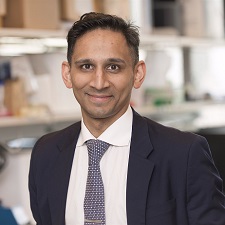
Vinod P. Balachandran, MD
Project title
"Recombinant interleukin-33 immunotherapy for pancreatic cancer"
Despite our best current treatments, 95% of patients with pancreatic cancer, including those at the earliest stages, die within 5 years of diagnosis. By 2020, pancreatic cancer will become the second leading cause of cancer-related death in the U.S., and new therapies are urgently needed. T cells are highly specialized cells of the immune system designed to protect the human body from infections and cancer. Very few T cells recognize pancreatic cancer; however, recent work showed that these T cells play a very important role in controlling the spread of pancreatic cancer. Patients whose tumors have higher proportions of T cells survived over 3-times longer than patients who did not. Vinod’s group has unique access to these extremely rare patients that survived on average 6 years with pancreatic cancer and whose tumors have 12-times as many activated T cells as patients who have more typical poor outcomes. He has discovered that their exceptional survival is linked to T cells recognizing novel cancer proteins or neoantigens that make these cancers resemble infections. His research will focus on understanding these unique cancer proteins in long-term survivors, with the goal of developing novel immunotherapies to treat all patients with pancreatic cancer. He is now testing neoantigens as cancer vaccines in a Phase I clinical trial.
In addition, Vinod is exploring another strategy to activate the immune system in pancreatic cancers. He hypothesizes that a new type of immune cell, ILC2s (group 2 innate lymphoid cells) can be therapeutically activated to promote anti-tumor immunity. His strategy will test the combination of recombinant interleukin-33 (rIL-33) with checkpoint inhibition (PD-1 blockade), and assess activation of ILCs and restriction of tumor growth. He aims to rapidly translate these findings into a first-in-human clinical trial.
Institution
Memorial Sloan Kettering Cancer Center
Sponsor(s) / Mentor(s)
Steven D. Leach, MD, and Jedd D. Wolchok, MD, PhD
Cancer type
Pancreatic
Research area
Immunotherapy
Award Program
Clinical Investigator
Named Award
1440 Foundation Clinical Investigator
CONNECT
1.877.7CANCER
info@damonrunyon.org
One Exchange Plaza
55 Broadway, Suite 302
New York, NY 10006


