

David Y. Oh, MD, PhD
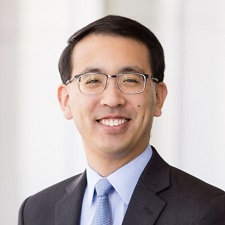
Project title
"Co-receptors modulating anti-tumor activity of human cytotoxic CD4+ effector cells"
While immunotherapies such as anti-PD-1 therapy have provided an important treatment option for bladder cancer, the majority of patients do not respond to these regimens. This may reflect the distinct activation requirements of other immune T-cells besides CD8+ T-cells. In recent work, Dr. Oh and colleagues have identified cytotoxic (cancer cell-killing) CD4+ T-cells in human bladder cancer that are associated with immunotherapy responses. However, the regulation of cytotoxic CD4+ T-cells and how these mechanisms compare with CD8+ T-cells is not understood. Dr. Oh proposes to identify and validate surface receptors that enhance or inhibit the activity of cytotoxic CD4+ T cells in human bladder cancer, and the tumor antigens that are recognized specifically by these cells. He will also compare which of these regulatory mechanisms are unique to cytotoxic CD4+ T-cells relative to their CD8+ T-cell counterparts from the same patients. This work has the potential to increase both the proportion of bladder cancer patients who respond to immunotherapy as well as the quality of their response.
Institution
University of California, San Francisco
Sponsor(s) / Mentor(s)
Lawrence Fong, MD
Cancer type
Kidney and Bladder
Research area
Immunotherapy
Award Program
Clinical Investigator
Phillip L. Palmbos, MD, PhD
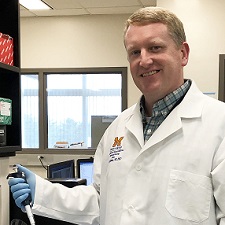
Project title
"Targeting TRIM29 to reverse immune checkpoint inhibitor resistance in bladder cancer"
Although immunotherapy results in improved survival for some patients with advanced bladder cancer, most tumors do not respond, and the molecular drivers of this resistance to immunotherapy are poorly understood. Dr. Palmbos' goal is to use advanced bladder cancer models and patient data to identify the molecular drivers of resistance to bladder cancer therapy and to develop therapeutic strategies to reverse therapy resistance. His group has identified a gene, TRIM29, which is expressed in 70% of bladder cancers and is associated with immunotherapy resistance. TRIM29 is a protein that promotes degradation of STING and other innate immune proteins that drive anti-tumor immune response. He is currently investigating the regulation of the TRIM29-STING pathway and developing strategies to sensitize bladder and other cancer types to immunotherapy.
Institution
University of Michigan
Sponsor(s) / Mentor(s)
Joshi J. Alumkal, MD
Cancer type
Kidney and Bladder
Research area
Immunotherapy
Award Program
Clinical Investigator
Sangeetha M. Reddy, MD
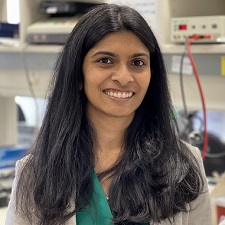
Project title
"Multi-modality approach to enhancing antigen presentation in breast cancers"
Despite the success of immunotherapies such as immune checkpoint blockade in other solid tumors, breast cancer patients have shown limited responses, especially in cases of metastatic disease. Antigen-presenting cells, critical to initiate anti-tumor immunity and for efficacy of immune checkpoint blockade, are known to be defective in breast cancers. Dr. Reddy's research focuses on restoring effective antigen presentation to enhance anti-tumor immunity in breast cancers. Based on data generated in her lab, she is leading a clinical trial to test the combination of chemotherapy with two therapeutic molecules that promote different aspects of antigen presentation. This trial will assess the safety, clinical efficacy, and pharmacodynamics associated with this triplet therapy. Through this work, she hopes to improve long-term survival of patients with triple negative breast cancer and lay the foundation for systemically targeting antigen presentation as a therapeutic strategy in solid tumors.
Institution
University of Texas Southwestern Medical Center
Sponsor(s) / Mentor(s)
Zhijian (James) Chen, PhD, and Hans Hammers, MD, PhD
Cancer type
Breast
Research area
Immunotherapy
Award Program
Clinical Investigator
Daniel R. Wahl, MD, PhD
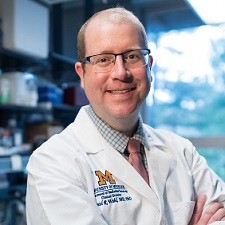
Project title
"Targeting metabolic interactions in the glioblastoma microenvironment to overcome therapy resistance"
Glioblastomas are the most common and aggressive primary brain tumors in adults. Despite intensive treatment with therapies such as radiation, these tumors inevitably recur, and fewer than 10% of glioblastoma patients live longer than 5 years after diagnosis. Dr. Wahl and his research team have found that metabolites called purines, which are the building blocks that make up DNA, make glioblastomas resistant to treatments like radiation. Dr. Wahl will use patient samples and mouse models to determine what regulates glioblastoma purine metabolism and whether inhibition of these metabolic pathways can make radiation more effective. He will also perform a clinical study to directly measure these metabolic pathways in patients with glioblastoma.
Institution
University of Michigan
Sponsor(s) / Mentor(s)
Theodore S. Lawrence, MD, PhD, and Maria G. Castro, PhD
Cancer type
Brain
Research area
Metabolism
Award Program
Clinical Investigator
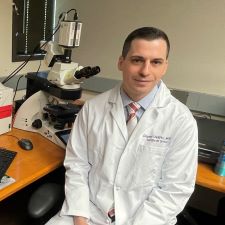
Daniel J. Delitto, MD, PhD
Project title
"Pathogen sensing in fibroblasts restrains antitumor immunity in pancreatic cancer"
Pancreatic cancer develops in the midst of intense scarring and fibrous connective tissue (fibrosis). The architects of this scarring are cells called fibroblasts, known to fuel cancer growth and promote treatment resistance. Dr. Delitto's research is focused on the interface between cancer-induced fibrosis and the immune system. He has shown that fibroblasts play a significant role in shielding cancer cells from immune cells. By altering how fibroblasts sense tissue damage, Dr. Delitto has uncovered a mechanism that reactivates the immune system to fight the tumor. He aims to further develop these findings into a novel immunotherapy regimen for pancreatic cancer.
Institution
Stanford University
Sponsor(s) / Mentor(s)
Michael T. Longaker, MD, DSc
Cancer type
Pancreatic
Research area
Immunotherapy
Award Program
Clinical Investigator
Xiuning Le, MD, PhD

Project title
"Structure- and lineage-based classification and targeting of resistance in EGFR-mutant NSCLC"
Mutations in the EGFR gene were identified as the first targetable mutations in lung cancer about two decades ago. Since then, multiple targeted therapies have been approved and prolonged many lives. However, about 15% of EGFR mutations are atypical and do not have a current approved targeted therapy. Dr. Le is leading multiple clinical trials to address this unmet need. With new treatments potentially entering the clinic, new mechanisms of treatment resistance will likely evolve. Dr. Le aims to comprehensively characterize resistance mechanisms and compare resistance predisposition across different types of EGFR-linked lung cancers. She will leverage cutting-edge techniques to determine the mutations at single-cell level and develop rational therapeutic strategies to overcome resistance. This project has the potential not only to bring new FDA-approved treatments to patients but also establish clinical strategies to predict and target major resistance mechanisms.
Institution
The University of Texas MD Anderson Cancer Center
Sponsor(s) / Mentor(s)
John V. Heymach, MD, PhD
Cancer type
Lung
Research area
Cancer Genetics
Award Program
Clinical Investigator
Nathan Singh, MD

Project title
"Tailored cellular engineering to overcome costimulation-driven CAR T cell dysfunction"
Chimeric antigen receptor T cell (CAR T cell) therapy, in which a patient's own immune cells are engineered to target their cancer, has changed the treatment landscape for many blood cancers. Despite promising early results, however, long-term follow-up has revealed that nearly half of patients treated with CAR T cells eventually experience cancer recurrence. Using a variety of techniques in cell lines and patient samples, Dr. Singh [Bakewell Foundation Clinical Investigator] aims to understand how interactions between engineered T cells and blood cancer cells in some cases lead to long-term remission, and in others to therapeutic failure. The broad goals of his lab are to understand the biological signals that cause these therapies to fail, and to use this knowledge to design next-generation immunotherapies that can cure more patients.
Institution
Washington University
Sponsor(s) / Mentor(s)
John F. DiPersio, MD, PhD
Cancer type
Blood
Research area
Immunotherapy
Award Program
Clinical Investigator
Named Award
Bakewell Foundation Clinical Investigator
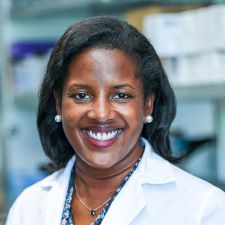
Melody Smith, MD
Project title
"Regulatory mechanisms of the intestinal microbiome on chimeric antigen receptor T cells"
The microorganisms that live in the digestive tract, also known as the intestinal microbiome, have emerged as important factors in patients' response to cancer therapy. Studies have found that the intestinal microbiome can modulate the anti-tumor immune response to several types of therapy, including chimeric antigen receptor T cell (CAR T cell) therapy, in which a patient's own immune cells are genetically modified to target their cancer. CAR T therapy has led to unprecedented responses in patients with high-risk blood cancers such as leukemia and lymphoma. However, patients may experience disease relapse or CAR-mediated toxicities. Dr. Smith has found that responses to CAR T therapy are linked to alterations in and abundances of the intestinal microbiome. Her research will investigate how the intestinal microbiome mediates this impact on CAR T cells. Dr. Smith was previously a Damon Runyon Physician-Scientist, a complementary award program designed for clinicians interested in research to acquire the skills needed to become physician-scientists.
Institution
Stanford University
Sponsor(s) / Mentor(s)
Robert S. Negrin, MD
Cancer type
Blood
Research area
Immunotherapy
Award Program
Clinical Investigator
Aaron D. Viny, MD

Project title
"Epigenetic coupling of DNA methylation and chromatin structure on leukemic transformation and therapeutic response"
Up to 50% of patients with acute myeloid leukemia (AML) have a genetic alteration called DNA methylation, in which a carbon methyl group is added to the DNA molecule, typically turning the methylated gene "off." A mainstay of therapy is the use of hypomethylating agents, which prevent copying of these modifications during cell division, but this therapy is effective in only 20-30% of patients. Using chemical and genetic manipulation in mouse bone marrow, Dr. Viny [Damon Runyon-Doris Duke Clinical Investigator] aims to determine the effect of DNA methylation on the ability of specific regions of the genome to be accessible to proteins involved with gene expression and other regions to be inaccessible and "silenced." In a prospective phase II clinical trial, he will treat relapsed AML patients with dual hypomethylating agents. By studying these patients' genetic profiles, he aims to determine the genetic features that contribute to therapy response, paving the way for more effective interventions to be developed for patients with acute myeloid leukemia. Dr. Viny was previously a Damon Runyon Fellow.
Institution
Columbia University
Sponsor(s) / Mentor(s)
Emmanuelle Passegué, PhD, and Joseph G. Jurcic, MD
Cancer type
Blood
Research area
Chromatin Biology
Award Program
Clinical Investigator
Named Award
Damon Runyon-Doris Duke Clinical Investigator
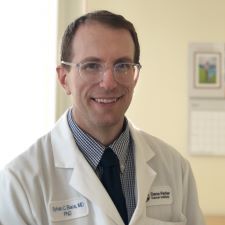
Sylvan C. Baca, MD, PhD
Project title
"Epigenetic drivers of resistance to novel therapies for bladder and kidney cancer"
Promising new treatments for cancers of the bladder and kidney have been developed, but, as with many cancer therapies, tumors eventually develop resistance. Research has shown that cancer cells resist treatment in part via epigenetic changes—those that do not affect the DNA sequence itself but turn important genes on or off, allowing cancers to survive under therapeutic stress. Dr. Baca is using novel techniques to study the epigenomes of cancer cells from blood samples. His goal is to understand how changes in the epigenomes of bladder and kidney cancers lead to treatment resistance. This knowledge will enable the design of better treatments and drug combinations that will benefit patients with metastatic bladder or kidney cancers.
Institution
Dana-Farber Cancer Institute
Sponsor(s) / Mentor(s)
Toni K. Choueiri, MD
Cancer type
Kidney and Bladder
Research area
Epigenetics
Award Program
Clinical Investigator
CONNECT
1.877.7CANCER
info@damonrunyon.org
One Exchange Plaza
55 Broadway, Suite 302
New York, NY 10006


