

Mark G. Shrime, MD, MPH, PhD
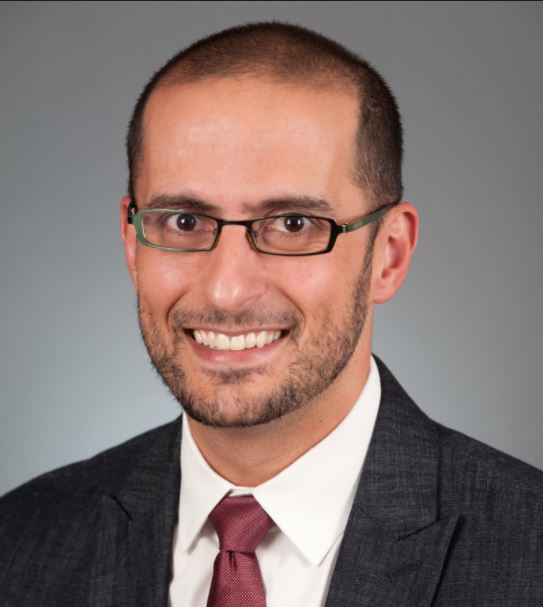
Project title
"Cash transfers for cancer surgery in West Africa: their health and economic consequences"
Mark is a cancer surgeon and health economist. He is examining one of the hidden barriers to surgical oncology access in head and neck cancer—that of non-medical costs. For 81 million people every year, surgery leads to catastrophic impoverishment, but only 40% of that is due to the direct medical costs of surgery. The rest is due to the hidden costs of transportation, food, and lodging necessary to get surgery. He proposes to design and optimize a cash transfer for patients with head and neck tumors in a low-income West African country. The effects of this cash transfer on surgical oncology utilization will then be tested in a randomized, controlled trial. These findings could apply globally to improve access to cancer care.
Institution
Massachusetts Eye and Ear Infirmary
Sponsor(s) / Mentor(s)
John G. Meara, MD, DMD, MBA
Cancer type
Head and Neck Cancer
Research area
Surgical Oncology
Award Program
Clinical Investigator
Piro Lito, MD, PhD
Project title
"Modeling responses to targeted ERK signaling inhibition at the single-cell level"
Therapies that directly target cancer-promoting oncoproteins have revolutionized the treatment of cancer. Cancers, however, are primed to adapt and evolve in the presence of treatment, resulting in an ability to resume growth despite the presence of therapy. Utilizing cutting-edge new techniques that allow the determination of genetic alterations in single cancer cells, Piro aims to understand the principles that govern the evolution of resistance during therapy and identify novel therapeutic interventions that halt this process. His specific focus will be on improving the efficacy of KRAS inhibition for treatment of lung and colorectal cancers.
Institution
Memorial Sloan Kettering Cancer Center
Sponsor(s) / Mentor(s)
Neal X. Rosen, MD, PhD, and Charles M. Rudin, MD, PhD
Cancer type
Colorectal
Lung
Research area
Experimental Therapeutics
Award Program
Clinical Investigator
Gavin P. Dunn, MD, PhD

Project title
"Characterizing the immunogenic landscapes of malignant brain tumors"
Glioblastoma remains the most aggressive brain tumor diagnosed in patients, and it is clear that new treatment strategies are needed. There is significant optimism around the use of approaches that stimulate a patient's immune system to treat brain tumors. Gavin focuses on identifying the specific components of a patient's brain tumor that the immune system recognizes and determining whether there are regional differences in this immune recognition. He hopes that this work will increase our understanding of how the immune system recognizes brain cancers and will increase our understanding of how to rationally design personalized vaccines to treat these tumors.
Institution
Washington University
Sponsor(s) / Mentor(s)
John F. DiPersio, MD, PhD, and Robert D. Schreiber, PhD
Cancer type
Brain
Research area
Immunotherapy
Award Program
Clinical Investigator
Andrew M. Intlekofer, MD, PhD
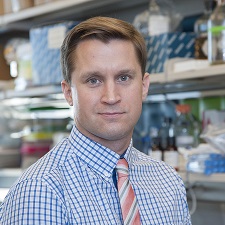
Project title
"Metabolic coupling of the hypoxic niche to stemness"
New drugs that target metabolic pathways have shown promise for the treatment of cancer, but the benefits of these drugs have been restricted to rare patients whose cancers have mutations in specific metabolic enzymes. Dr. Intlekofer identified a metabolic pathway whereby subpopulations of genetically identical cancer cells produce a metabolite called L-2-hydroxyglutarate (L-2HG) that induces stem cell-like properties associated with resistance to anti-cancer therapies. He is investigating the mechanisms by which L-2HG regulates the identity and function of cancer stem cells in order to determine whether targeting the L-2HG pathway represents a broadly applicable strategy for treating cancer.
Institution
Memorial Sloan Kettering Cancer Center
Sponsor(s) / Mentor(s)
Ross L. Levine, MD
Cancer type
Blood
All Cancers
Research area
Stem Cell Biology
Award Program
Clinical Investigator
Christopher A. Klebanoff, MD
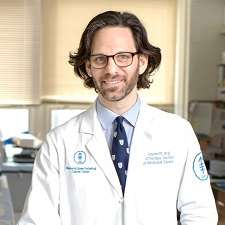
Project title
"Clinical development of next-generation T cell receptor (TCR)-based adoptive immunotherapies for the treatment of patients with common epithelial malignancies"
A form of cancer immunotherapy termed adoptive T cell transfer (ACT) can induce long-lasting remissions in patients with advanced blood cancers. In this approach, T white blood cells specific for proteins found on the surface of cancer cells (antigens) are activated and expanded outside the immunosuppressive environment of a cancer patient's body before re-infusion as a therapy. Thus far, this promising form of cancer immunotherapy has failed to work in most patients with cancers arising from solid organs, the leading cause of cancer-related deaths in adults. Two critical gaps in knowledge limit the ability of ACT to be successfully applied to solid cancers: 1) understanding which antigens on the surface of cancer cells can be targeted by T cells that do not have the potential to cross-react and injure normal tissues, and 2) insight into what factor(s) limit the ability of transferred T cells to expand and persist following re-infusion into a patient. Dr. Klebanoff seeks to use a genetic engineering approach to simultaneously address both these issues. Success of these efforts would be a decisive step forward toward extending the ability of ACT to deliver potentially curative responses in patients with common cancers, including those arising from the breast, uterus, cervix and colon.
Institution
Memorial Sloan Kettering Cancer Center
Sponsor(s) / Mentor(s)
Michel Sadelain, MD, PhD, and Larry Norton, MD
Cancer type
Gynecological
Kidney and Bladder
Breast
Research area
Immunotherapy
Award Program
Clinical Investigator
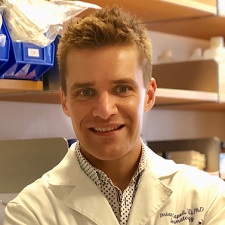
Brian C. Capell, MD, PhD
Project title
"Defining the role of epigenetic enhancer dysfunction in epithelial carcinogenesis"
Squamous cell carcinoma (SCC) can occur on a number of epithelial surface tissues ranging from the skin and lung to the esophagus and oropharynx, and collectively, are the most common form of cancer in the world. Recent sequencing studies have found that mutations in epigenetic regulators that control gene expression frequently occur in all forms of SCC. Dr. Capell aims to harness the great accessibility of human skin to understand how altered epigenetics promotes cutaneous SCC. Given that epigenetic changes are inherently reversible and numerous epigenetic drugs are currently in development, he hopes that by understanding these mechanisms he will identify better therapies for these incredibly common and potentially deadly cancers.
Institution
University of Pennsylvania, Philadelphia
Sponsor(s) / Mentor(s)
Shelley L. Berger, PhD
Cancer type
Other Cancer
Skin
Research area
Epigenetics
Award Program
Clinical Investigator
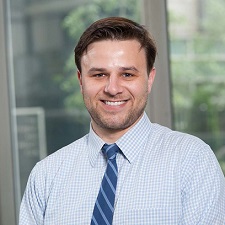
Matthew D. Hellmann, MD
Project title
"Refining disease states in response to PD-1 blockade to inform rational immunotherapeutics in NSCLC"
The discovery that the immune system can be used to treat cancers has revolutionized treatment and given new hope for long-term response and survival to patients with lung cancer. Research has demonstrated that there are some predictors of response to immunotherapy, such as tumor mutation burden, which is increased in patients most likely to benefit from immunotherapy. Dr. Hellmann will focus on gaining a deeper understanding of how responses are initiated, how they remain durable, and what features characterize resistance when it occurs. He aims to use this information to build better immunotherapy strategies for patients with lung cancer--to broaden the number of patients who can benefit, improve the depth and durability of response, and have rational strategies for overcoming resistance if it occurs.
Institution
Memorial Sloan Kettering Cancer Center
Sponsor(s) / Mentor(s)
Charles M. Rudin, MD, PhD, and Jedd D. Wolchok, MD, PhD
Cancer type
Lung
Research area
Immunotherapy
Award Program
Clinical Investigator
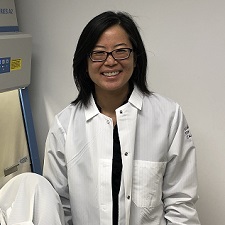
Catherine C. Smith, MD
Project title
"RNA Polymerase II as therapeutic target in AML with RAS activation"
Acute myeloid leukemia (AML) is one of the deadliest blood cancers. Mutations in the FLT3 gene are the most common mutations in AML and are associated with poor outcomes in both adult and pediatric patients. Despite the importance of FLT3 mutations in AML, we still do not understand how FLT3 is regulated or the functional impact of novel FLT3 mutations identified in recent large AML sequencing studies. Drugs targeting FLT3 have been successful in achieving remission in AML patients but are limited by the rapid development of drug resistance, particularly due to reactivation of abnormal cancer signaling through the oncogene RAS. While signaling inhibitor combinations (i.e., FLT3i +/-MEK or AKT inhibitor) are an obvious strategy to combat RAS-mediated therapeutic resistance, such combinations have been poorly tolerated in AML patients. Using a genome-wide CRISPRi screen, Dr. Smith [Richard Lumsden Foundation Clinical Investigator] has identified a novel and exploitable dependency on a molecule called RNA Pol II in FLT3-mutant AML with RAS activation. She will test this hypothesis, which may lay the groundwork for future clinical trials of RNA Pol II inhibitor combinations in AML with RAS activation.
Institution
University of California, San Francisco
Sponsor(s) / Mentor(s)
Neil P. Shah, MD, PhD, and Kevin M. Shannon, MD
Cancer type
Blood
Research area
Signal Transduction
Award Program
Clinical Investigator
Named Award
Richard Lumsden Foundation Clinical Investigator
Collin M. Blakely, MD, PhD

Project title
"Mechanisms of incomplete response and primary resistance to the 3rd generation EGFR inhibitor osimertinib in lung cancer"
Non-small cell lung cancers are frequently driven by specific genetic alterations that can be targeted by precision medicine therapies. However, these therapies often result in partial responses, allowing some cancer cells to survive and become fully resistant to therapy. This ultimately limits patients' long-term survival. Dr. Blakely focuses on a particular type of lung cancer that is driven by mutations in the EGFR gene. This type of lung cancer frequently develops in younger patients who are non-smokers. Treatment of this disease with the targeted therapy osimertinib results in partial (incomplete) responses in the vast majority of cases. His goal is to understand why responses to this treatment are almost always incomplete, and to identify new targets for therapies to be used in combination with osimertinib. Ultimately, the goal of this research is to identify novel combination therapy strategies that can improve the depth and duration of response to targeted therapies, allowing patients to live longer.
Institution
University of California, San Francisco
Sponsor(s) / Mentor(s)
Trever G. Bivona, MD, PhD
Cancer type
Lung
Research area
Cancer Genetics
Award Program
Clinical Investigator
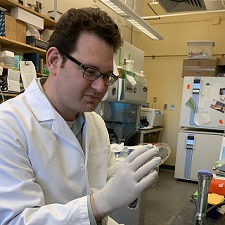
Matthew G. Oser, MD, PhD
Project title
"Dissecting and therapeutically exploiting synthetic lethality between NOTCH and TRIM28 to drive anti-tumor immunity in SCLC"
Although small cell lung cancer (SCLC) is initially highly responsive to chemotherapy, the disease recurs in nearly all patients in less than a year. There are currently no approved targeted therapies for when the cancer returns. Previous studies have demonstrated that SCLCs require sustained neuroendocrine differentiation for survival, suggesting that targeting this process could be a good therapeutic strategy. Dr. Oser will use SCLC patient-derived xenograft models and a novel SCLC genetically engineered mouse model to identify new enzymes required for neuroendocrine differentiation and to develop targeted therapies that can block this process. He aims to identify molecular targets that could be developed into new lasting therapies for SCLC patients.
Institution
Dana-Farber Cancer Institute
Sponsor(s) / Mentor(s)
William G. Kaelin, Jr., MD
Cancer type
Lung
Research area
Experimental Therapeutics
Award Program
Clinical Investigator
CONNECT
1.877.7CANCER
info@damonrunyon.org
One Exchange Plaza
55 Broadway, Suite 302
New York, NY 10006


