

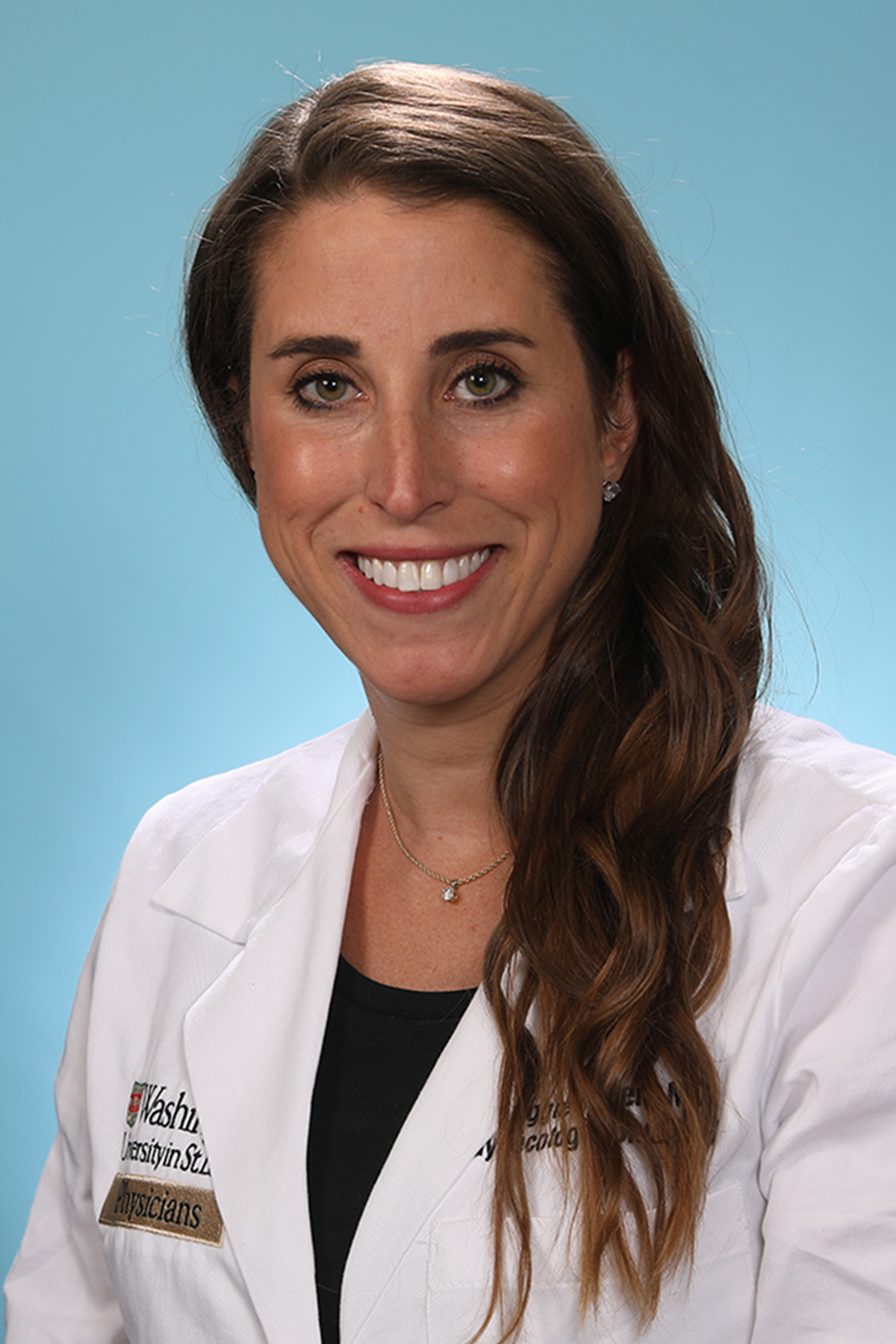
Mary M. Mullen, MD
Project title
"COPS5 as a novel therapeutic target in platinum-resistant ovarian cancer"
Only up to 20% of patients with advanced ovarian cancer will survive five years after diagnosis. This is largely due to the cancer’s resistance to traditional chemotherapy and the current lack of targeted therapies that work with chemotherapy to improve response. Dr. Mullen’s lab has identified a new target, COP9 Signalosome Subunit 5 (COPS5), to treat ovarian cancer. Her team has found that inhibiting COPS5 with a drug called CSN5i-3 drastically improves ovarian cancer response to chemotherapy. She now aims to test the effectiveness of CSN5i-3 and chemotherapy against patient-derived, therapy-resistant ovarian cancer tumors. She will also investigate the mechanism of COPS5, believed to be involved in the repair of DNA damage caused by chemotherapy. Dr. Mullen hopes this innovative target will transform the care of patients with ovarian cancer.
Institution
Washington University
Sponsor(s) / Mentor(s)
Dineo Khabele, MD, and Nima Mosammaparast, MD, PhD
Cancer type
Gynecological
Research area
Chemoresistance
Award Program
Clinical Investigator
Peter G. Miller, MD, PhD

Project title
"The role of RecQ helicases in premalignant hematopoiesis and myeloid neoplasia"
The goal of Dr. Miller’s research is to determine how mutations in blood cells give rise to pre-malignant blood conditions such as clonal hematopoiesis (CH), which drive the development of blood cancers. To this end, Dr. Miller will study patients with rare inherited diseases and use experimental models in the laboratory. He ultimately seeks to use the data generated through this research to develop new strategies to predict, prevent, and treat highly lethal blood cancers.
Institution
Massachusetts General Hospital
Sponsor(s) / Mentor(s)
Timothy A. Graubert, MD & David T. Scadden, MD
Cancer type
Other Cancer
Research area
Carcinogenesis
Award Program
Clinical Investigator
Tanaya Shree, MD, PhD

Project title
"Unraveling resistance to bispecific T-cell engagers"
T-cell engaging bispecific antibodies, which bring T cells close to tumor cells and induce them to kill the tumor cell, are a new class of immunotherapy that have demonstrated efficacy in lymphoma and myeloma and are now in development for many other cancers. In diffuse large B cell lymphoma, bispecific antibodies have proven very effective, but approximately 60% of patients derive no long-term benefit. Dr. Shree is working to understand the requirements for generating an effective bispecific antibody response in patients. This knowledge could result in novel improved treatment approaches for patients with lymphoma and inform the design of bispecific T cell-engaging strategies for other types of tumors.
Institution
Oregon Health & Science University
Sponsor(s) / Mentor(s)
Brian J. Druker, MD
Cancer type
Other Cancer
Research area
Immunotherapy
Award Program
Clinical Investigator
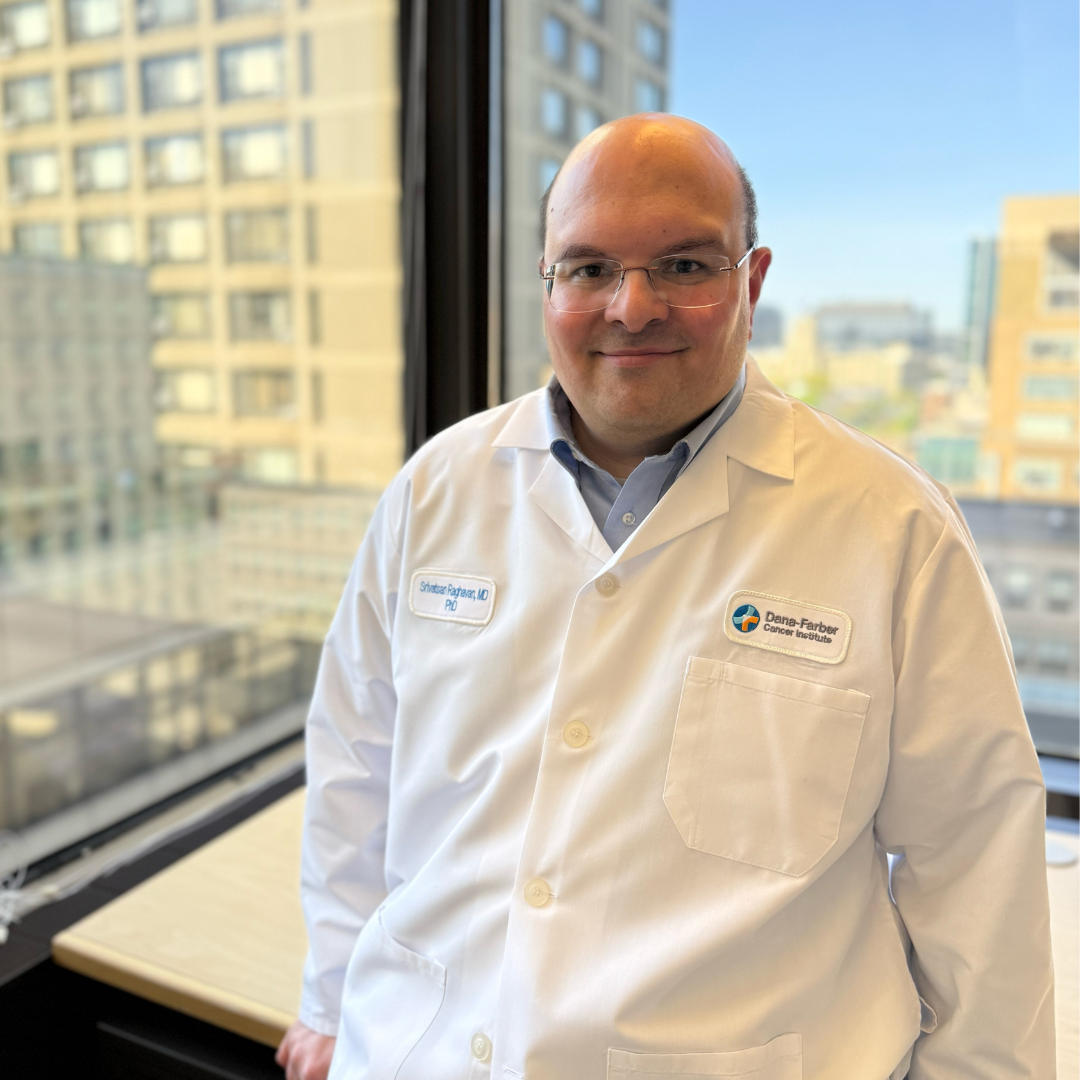
Srivatsan Raghavan, MD, PhD
Project title
Defining and targeting transcriptional drivers of KRAS inhibitor resistance in pancreatic cancer
Pancreatic cancer is a highly lethal disease with relatively few treatment options. A new class of inhibitors that target the KRAS gene, which is altered in approximately 90% of pancreatic cancer patients, are showing great promise in the clinical setting as a new therapeutic option for these patients. However, nearly all patients develop resistance and experience tumor regrowth after a relatively short period of treatment with these drugs. Dr. Raghavan aims to investigate how cancer cells adapt and become resistant to these KRAS inhibitors and develop combination therapies to overcome this resistance. He anticipates that these studies will uncover fundamental mechanistic insights into cancer drug resistance and identify novel therapeutic strategies that will improve outcomes for patients with pancreatic cancer.
Institution
Dana-Farber Cancer Institute
Sponsor(s) / Mentor(s)
William C. Hahn, MD, PhD & Brian M. Wolpin, MD, MPH
Cancer type
Pancreatic
Research area
Genomics
Award Program
Clinical Investigator
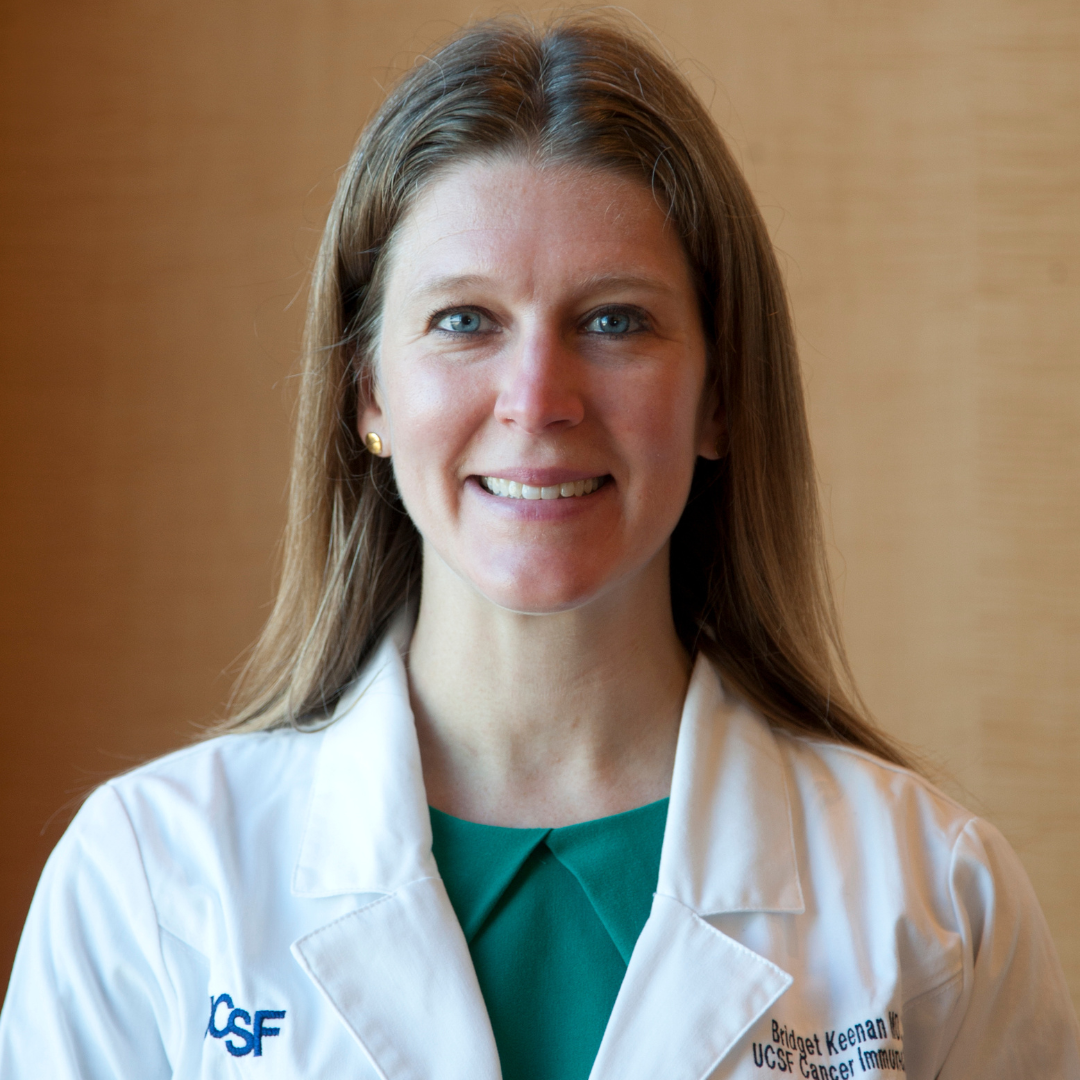
Bridget P. Keenan, MD, PhD
Project title
"Improving outcomes for patients with hepatocellular carcinoma and liver disease by circumventing myeloid cell-mediated suppression"
Hepatocellular carcinoma (HCC), a type of liver cancer often caused by liver disease related to viral infections or metabolic disease, is a leading cause of cancer deaths globally. Treating HCC with immunotherapy and targeted therapies shows promise, but liver damage can make these treatments challenging to administer and less effective. Dr. Keenan’s preliminary data suggest that certain immune cells, known as myeloid cells, become suppressive in patients with HCC and worsen liver function. However, it is possible that the correct combinations of immunotherapy treatments could partially reverse this myeloid cell suppression and result in better outcomes for patients with HCC. Dr. Keenan will focus on understanding exactly how liver disease affects the immune system and finding ways to counteract the suppressive effects of myeloid cells. By studying blood samples and liver tissues from patients with HCC undergoing immunotherapy treatment, she aims to identify the best combinations to enhance the immune system’s ability to fight liver cancer. This research could lead to new, more effective treatments for patients with liver cancer, potentially improving survival rates and quality of life.
Institution
University of California, San Francisco
Sponsor(s) / Mentor(s)
Matthew H. Spitzer, PhD & Lawrence Fong, MD
Cancer type
Other Cancer
Research area
Immunotherapy
Award Program
Clinical Investigator
Jonathan Chou, MD, PhD

Project title
"Defining and exploiting the cancer surfaceome landscape for novel therapeutics"
Nearly all of the FDA-approved therapies in the last decade for bladder cancer target cell surface proteins. Despite enormous progress in targeted therapy development, however, only five unique targets (out of thousands) have been explored. In addition, because current tumor targets are often also expressed on normal tissues, toxic side effects are common and can even be life-threatening. Therefore, identifying cancer-specific, targetable proteins is critical to enhancing efficacy and safety of bladder cancer drugs. In this project, Dr. Chou will utilize a new technique to identify novel drug targets from patient tumor samples, develop molecules that bind them, and engineer these molecules into cellular therapies. He will also evaluate a strategy to target a surface protein called CDCP1 and explore the role of several proteases (enzymes that break down proteins) in therapy resistance. Dr. Chou hopes that his work will reveal a new class of targetable surface proteins for bladder cancer and pave the way for future clinical trials.
Institution
University of California, San Francisco
Sponsor(s) / Mentor(s)
Jim A. Wells, PhD
Cancer type
Kidney and Bladder
Research area
Drug Discovery
Award Program
Clinical Investigator
CONNECT
1.877.7CANCER
info@damonrunyon.org
One Exchange Plaza
55 Broadway, Suite 302
New York, NY 10006


