
Pavan Bachireddy, MD

Project title
"Immune evasive circuits that define MRD progression in myelodysplastic syndrome"
A major cause of relapse after therapy is the persistence of measurable residual disease (MRD) cells—cancer cells that remain after treatment and eventually spread. Due to technical and logistical challenges in accessing and analyzing MRD cells, the molecular and cellular pathways that enable MRD progression remain poorly understood. Dr. Bachireddy will use innovative molecular tools to analyze tissue samples from blood cancer patients at a single-cell level to unlock insights into MRD progression. Using cutting-edge machine learning approaches, he will identify immunosuppressive mechanisms that may be targeted to halt MRD progression. Beyond these blood cancers, he aims to reveal organizing principles of MRD progression that are relevant across human cancers.
Institution
The University of Texas MD Anderson Cancer Center
Sponsor(s) / Mentor(s)
Jeffrey J. Molldrem, MD
Cancer type
Blood
Research area
Tumor Immunology
Award Program
Clinical Investigator
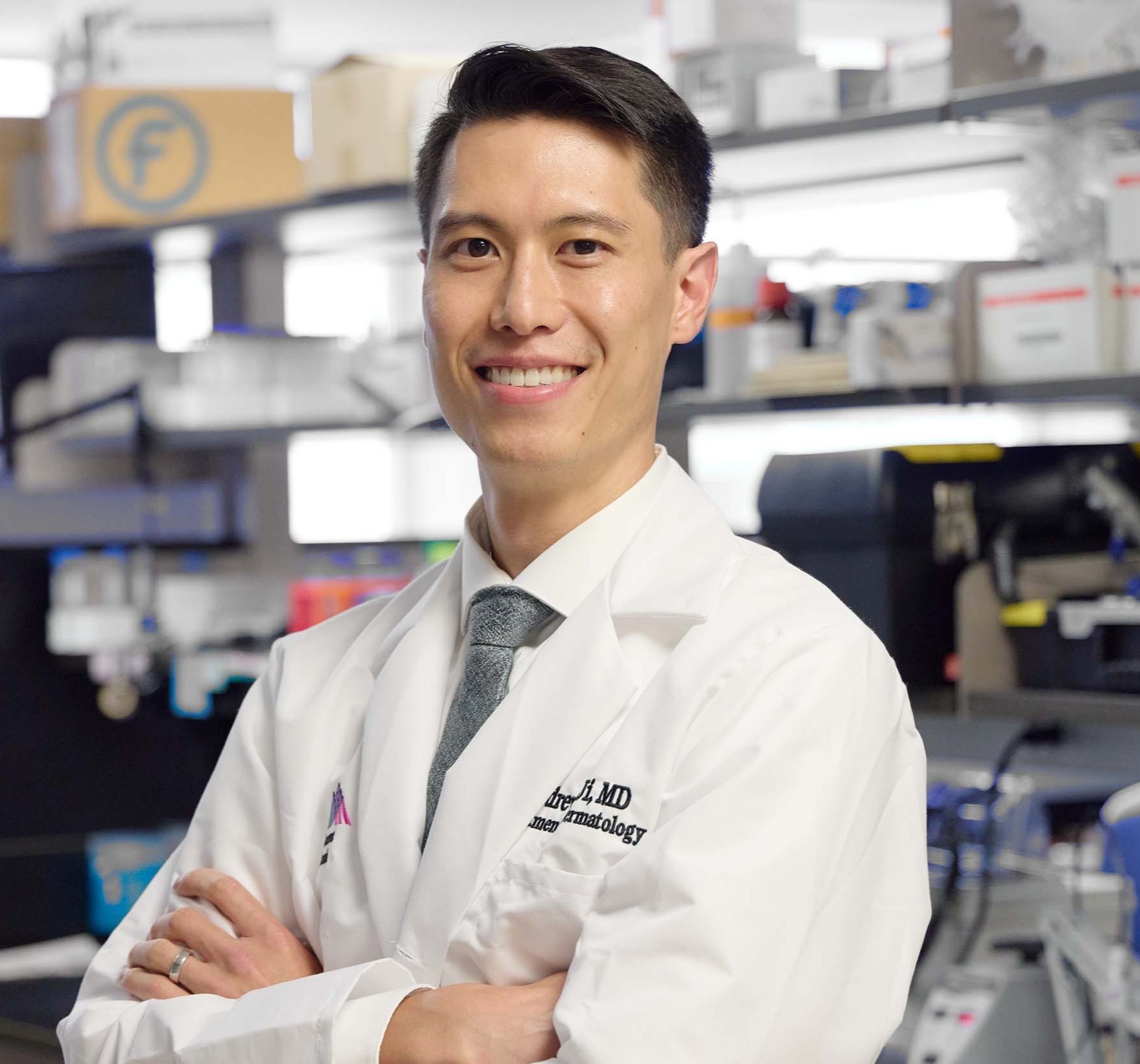
Andrew L. Ji, MD
Project title
"Dissecting spatial crosstalk in squamous cell carcinoma arising in organ transplant recipients"
Cutaneous squamous cell carcinoma (cSCC) is the second most common cancer in the U.S. While most cases are caught early and cured with excision, this cancer is more aggressive in the organ transplant recipient (OTR) population, with higher rates of recurrence and metastasis. Treatment options are severely limited in these cases. OTRs require immunosuppression, which is linked to cSCC aggression, but the underlying molecular and cellular mechanisms are poorly understood. Dr. Ji has discovered an invasive cSCC subpopulation that communicates with non-malignant cell types in the tumor’s environment. By profiling OTR tumors using cutting-edge single-cell and spatial technologies, he aims to better understand how this harmful subpopulation emerges in the immunosuppressed setting, aided by crosstalk with these neighboring cells. His goal is to develop strategies for disabling invasion and improving treatment of cSCC in both OTRs and advanced cases in the general population.
Institution
Icahn School of Medicine at Mount Sinai
Sponsor(s) / Mentor(s)
Miriam Merad, MD, PhD
Cancer type
Skin
Research area
Genomics
Award Program
Clinical Investigator
Benjamin A. Nacev, MD, PhD
Project title
"Understanding and targeting chromatin reorganization in ATRX deficient sarcomas"
Sarcomas are a family of tumors for which there are few targeted treatments and outcomes are poor once the cancer has metastasized. Many sarcomas harbor recurrent mutations in proteins, known as epigenetic regulators, that control which genes are expressed and when. Among the regulators most frequently impacted is ATRX, which condenses regions of DNA into tightly packaged chromatin that cannot be accessed for transcription, effectively “silencing” these genes. The effect of ATRX loss in sarcomas is poorly understood, however, and treatments that leverage ATRX deficiency are lacking. Using patient-derived sarcoma cell lines and tumor samples, Dr. Nacev aims to understand epigenetic dysregulation in ATRX-deficient sarcomas, to determine how this affects antitumor immunity, and to identify new therapeutic vulnerabilities.
Institution
University of Pittsburgh
Sponsor(s) / Mentor(s)
Jeremy N. Rich, MD, and Ronald J. Buckanovich, MD, PhD
Cancer type
Sarcoma
Research area
Chromatin Biology
Award Program
Clinical Investigator
Fyza Y. Shaikh, MD, PhD
Project title
"Defining microbiome stability and longitudinal shifts as biomarkers of tumor response to immune checkpoint inhibitors across multiple malignancies"
Immunotherapy has significantly changed how lung cancer and melanoma are treated. Unfortunately, only a small percentage of patients experience long-lasting responses. Gut bacteria have emerged as a potential predictor of how patients will respond to immunotherapy and may even be adjusted to enhance the effect of immunotherapy. Dr. Shaikh aims to identify features of the gut microbiome that correlate with immunotherapy responses. She will focus on both individual bacteria as they change over the course of treatment and the metabolites made by the entire bacterial community in the colon. The goal of this project, since gut bacteria can be modified, is to develop microbiome-based treatments to be used in combination with immunotherapy to improve response rates or overcome immunotherapy resistance for patients.
Institution
The Johns Hopkins University School of Medicine
Sponsor(s) / Mentor(s)
Cynthia L. Sears, MD, and Drew M. Pardoll, MD, PhD
Cancer type
Lung
Skin
Research area
Immunotherapy
Award Program
Clinical Investigator
Santosha A. Vardhana, MD, PhD
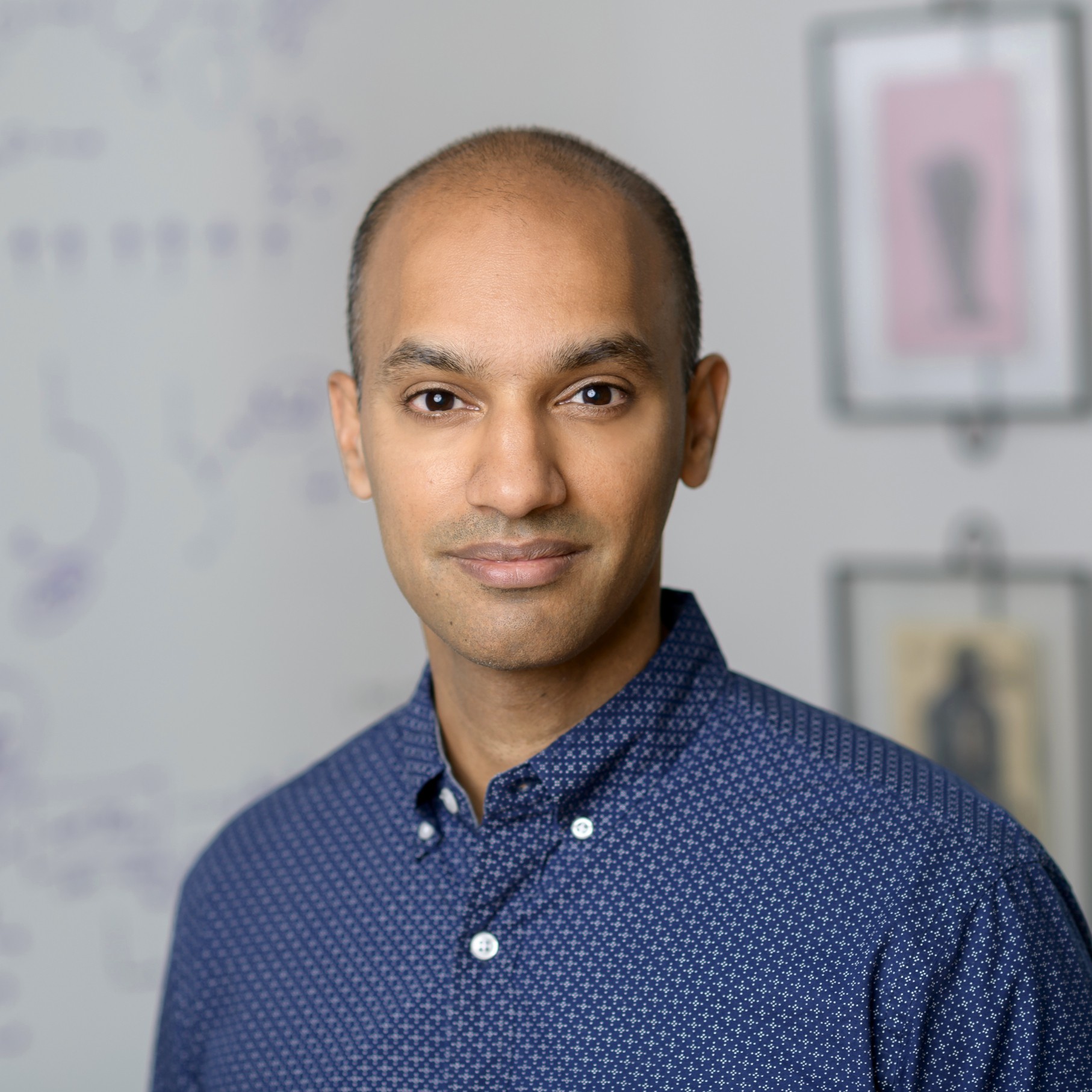
Project title
"Overcoming metabolic suppression of anti-tumor immunity in gastric cancer"
Dr. Vardhana [Gordon Family Clinical Investigator] is exploring the hypothesis that gastric cancers create an inhospitable environment for immune T-cells by limiting the availability of essential nutrients needed by T-cells to produce the cytotoxic proteins that, when released, kill cancer cells. There is evidence that T-cells lose the ability to produce cytotoxic proteins within gastric tumors, while gastric tumors take up and sequester amino acids—the building blocks of all proteins, including cytotoxic proteins—such that they cannot be accessed by T-cells within tumors. Understanding and reversing this metabolic sequestration within gastric tumors may be a novel strategy to enhance T-cell immunity within gastric tumors.
Institution
Memorial Sloan Kettering Cancer Center
Sponsor(s) / Mentor(s)
Charles L. Sawyers, MD
Cancer type
Gastric
Research area
Immunotherapy
Award Program
Clinical Investigator
Named Award
Gordon Family Clinical Investigator
Steven M. Corsello, MD
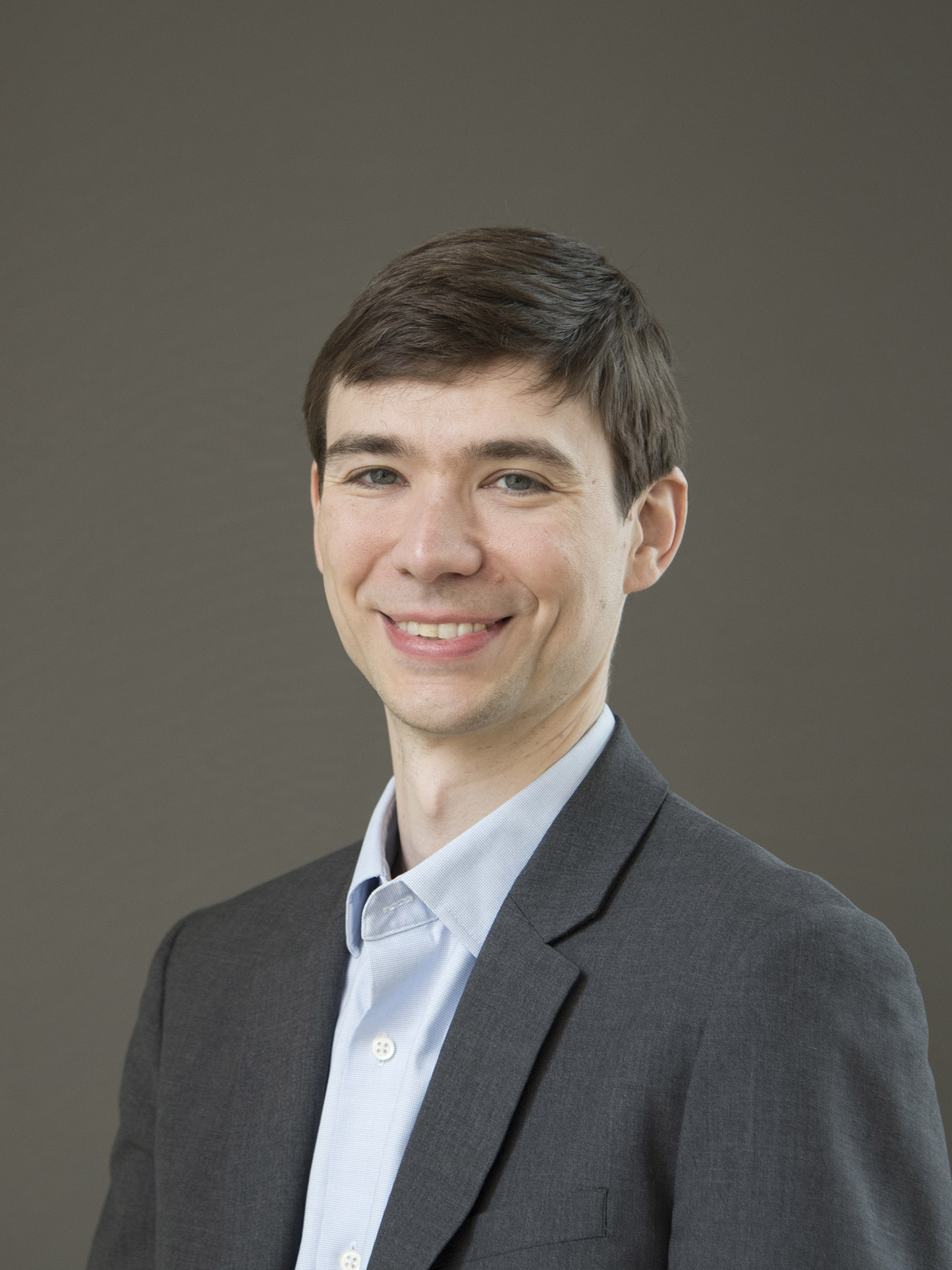
Project title
"Targeting intrinsic immune signaling in pancreatic cancer with small molecule therapeutics"
Pancreatic cancer is a devastating disease with limited treatment options. New strategies are urgently needed, but few actionable therapeutic targets are known. By systematically testing diverse molecules against pancreatic cancer cells combined with gene knockout studies, Dr. Corsello [Leslie Cohen Seidman Clinical Investigator] has identified a starting point to simultaneously activate inflammatory signaling and cell death pathways. He will determine the efficacy and underlying molecular mechanism of this approach, and potential immunotherapy combinations, using patient-derived tumor models. His goal is to accelerate the development of more effective and less toxic therapies for pancreatic cancer.
Institution
Stanford University School of Medicine
Sponsor(s) / Mentor(s)
Nathanael S. Gray, PhD, and Ronald Levy, MD
Cancer type
Pancreatic
Research area
Drug Discovery
Award Program
Clinical Investigator
Named Award
Leslie Cohen Seidman Clinical Investigator
John R. Prensner, MD, PhD
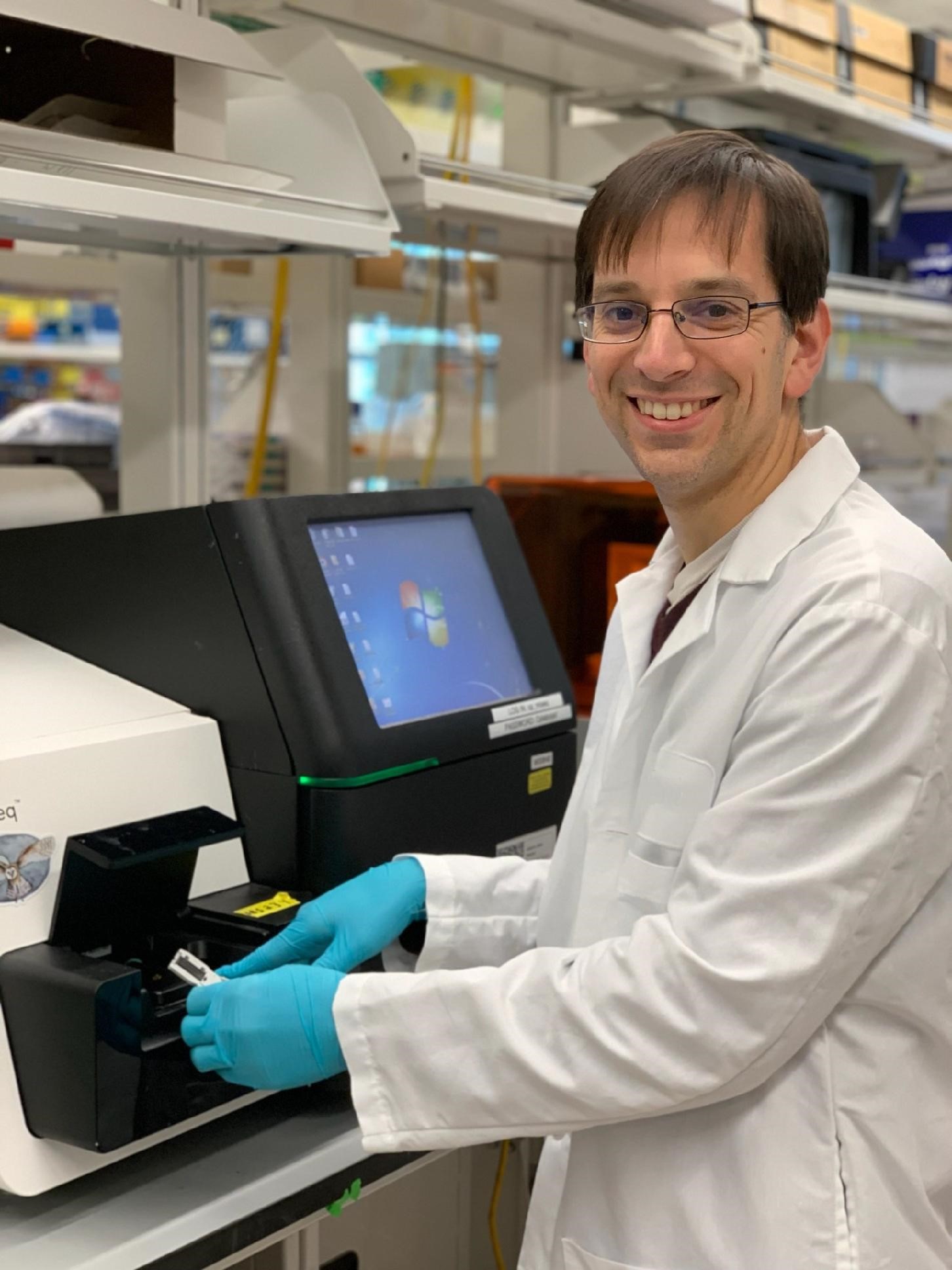
Project title
"Therapeutic opportunities and biological mechanisms for protein-RNA dyssynchrony in medulloblastoma"
New therapeutic approaches are urgently needed for children suffering from high-risk medulloblastoma, a form of pediatric brain cancer, where half of children will experience disease relapse leading to death. Dr. Prensner’s [Ben and Catherine Ivy Foundation Clinical Investigator] work is focused on understanding the biological underpinnings of high-risk medulloblastoma and developing new treatment options. His team recently found that high-risk medulloblastoma may exploit an imbalance in the production of proteins from the tumor cell genetic material (RNA, DNA). Dr. Prensner aims to define the cancer biology that causes an imbalance in the protein-RNA ratio in medulloblastoma, and investigate specific therapeutic options that may target this biology. His hope is that this work leads to new options for clinical trials for children with high-risk medulloblastoma.
Institution
University of Michigan, Ann Arbor
Sponsor(s) / Mentor(s)
Sriram Venneti, MD, PhD, and Carl J. Koschmann, MD
Cancer type
Brain
Research area
Protein Processing
Award Program
Clinical Investigator
Named Award
Ben and Catherine Ivy Foundation Clinical Investigator
Erin M. Parry, MD, PhD

Project title
"Defining follicular lymphoma transformation: molecular basis, detection and therapeutic vulnerabilities"
Histologic transformation, when a cancer’s features shift dramatically and it presents as a new cancer type, can occur at any point in the course of disease or arise due to the selective pressure of cancer therapies. One of the most well-recognized examples of histologic transformation is the transformation of follicular lymphoma, a slow-growing cancer of the lymphocytes, to an aggressive lymphoma, typically a large B-cell lymphoma. Despite this being well-recognized in the clinic, understanding of the molecular changes that trigger this transformation remains limited. Dr. Parry seeks to comprehensively study the genetics underlying follicular lymphoma transformation with a goal of improving future recognition and diagnosis of transformation. She also aims to identify unique potential therapeutic targets associated with follicular lymphoma transformation.
Institution
Dana-Farber Cancer Institute
Sponsor(s) / Mentor(s)
Margaret A. Shipp, MD
Cancer type
Other Cancer
Research area
Cancer Genetics
Award Program
Clinical Investigator
Megan L. Insco, MD, PhD

Project title
"Targeting cancer-associated aberrant RNA to treat metastatic melanoma"
Gene expression is a complex process, and sometimes mistakes are made, resulting in the generation of aberrant or “junk” RNAs. Dr. Insco previously discovered that cellular failure to “clean up” this junk RNA can contribute to the development and progression of melanoma. Her work is now focused on targeting aberrant RNA to treat cancer. First, she will identify compounds that specifically target melanomas that are unable to clean up their junk RNAs. Second, she will investigate how immune cells can be activated to attack melanoma cells that have high levels of aberrant RNAs. Many advances in our understanding of RNA biology over the last four decades have resulted in new therapies for patients. As this area of RNA biology is almost completely unexplored, Dr. Insco anticipates that studying mechanisms of aberrant RNA oncogenesis will reveal new therapeutic strategies for patients.
Institution
Dana-Farber Cancer Institute
Sponsor(s) / Mentor(s)
F. Stephen Hodi, MD
Cancer type
Skin
Research area
RNA (RNA processing, miRNA and piRNA mechanisms, enzymatic RNAs, etc.)
Award Program
Clinical Investigator
Lachelle D. Weeks, MD, PhD

Project title
"Predicting leukemia risk from peripheral blood smears"
Dr. Weeks [Damon Runyon-Timmerman Traverse Clinical Investigator] plans to develop computerized models that can review images of blood cells and predict a patient’s risk of developing acute myeloid leukemia. Because computers can capture small changes in images better than humans looking at cells under a microscope, such a model could connect data about the shapes and appearance of blood cells to the presence of pre-leukemia genetic changes known as clonal hematopoiesis. This work will inform the extent to which blood cell appearance is associated with the underlying biology of leukemia and Pre-leukemia. Ultimately, Dr. Weeks aims to refine existing models of leukemia risk prediction and pave the way for screening programs that can identify individuals with clonal hematopoiesis who are at the highest risk for progressing to cancer.
Institution
Dana-Farber Cancer Institute
Sponsor(s) / Mentor(s)
Benjamin L. Ebert, MD, PhD
Cancer type
Blood
Research area
Computational Biology
Award Program
Clinical Investigator
Named Award
Timmerman Traverse Clinical Investigator
CONNECT
1.877.7CANCER
info@damonrunyon.org
One Exchange Plaza
55 Broadway, Suite 302
New York, NY 10006


